
Search
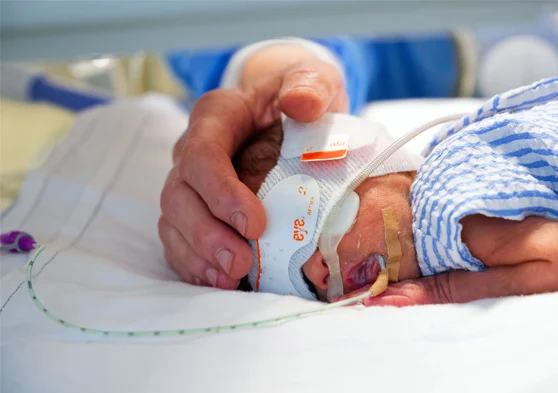
The CIRCA DIEM biobank is a unique collection of biological samples - such as blood, stool and saliva - collected from babies enrolled in the trial.
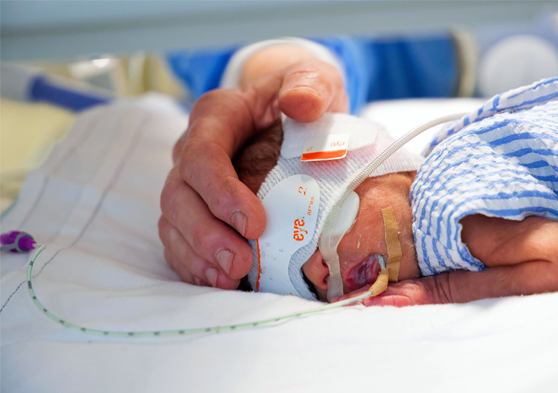
The CIRCA DIEM Study is a clinical research study being coordinated by the Chronobiology Team at Telethon Kids Institute, who are based in Perth, Western Australia and involving research teams from around the world.
Investigators: Andrew Gill External collaborators: Assoc Prof David Tingay (Murdoch Children's Research Institute) The POLAR trial is an MRFF-funded
Inflammation and oxidative stress play a key role in the development of bronchopulmonary dysplasia (BPD), possibly contributing to persistent respiratory morbidity after preterm birth. We aimed to assess if inflammatory markers were elevated in exhaled breath condensate (EBC) of infants born very prematurely (< 32 weeks gestation) at 12-16 corrected months of age, and if increased levels were associated with BPD diagnosis and respiratory morbidity.
Preterm infants have immature control of breathing and impaired pulmonary gas exchange. We hypothesized that infants with bronchopulmonary dysplasia (BPD) have a blunted ventilatory response and peripheral oxygen saturation (SpO2 ) instability during a hypoxic challenge.
Laboratory models provide an important tool in helping to understand the cellular and molecular drivers of respiratory disease. Many animal models exist that model the neonatal outcomes of preterm birth.
The extent of lung hypoplasia impacts the survival and severity of morbidities associated with congenital diaphragmatic hernia.
Abnormalities of the airway smooth muscle (ASM) layer in asthma may develop before birth. We hypothesize that antenatal inflammation causes physiological abnormalities of the ASM that predisposes asthma. This study determined the short-term effects of antenatal inflammation on the developing ASM.