
Search
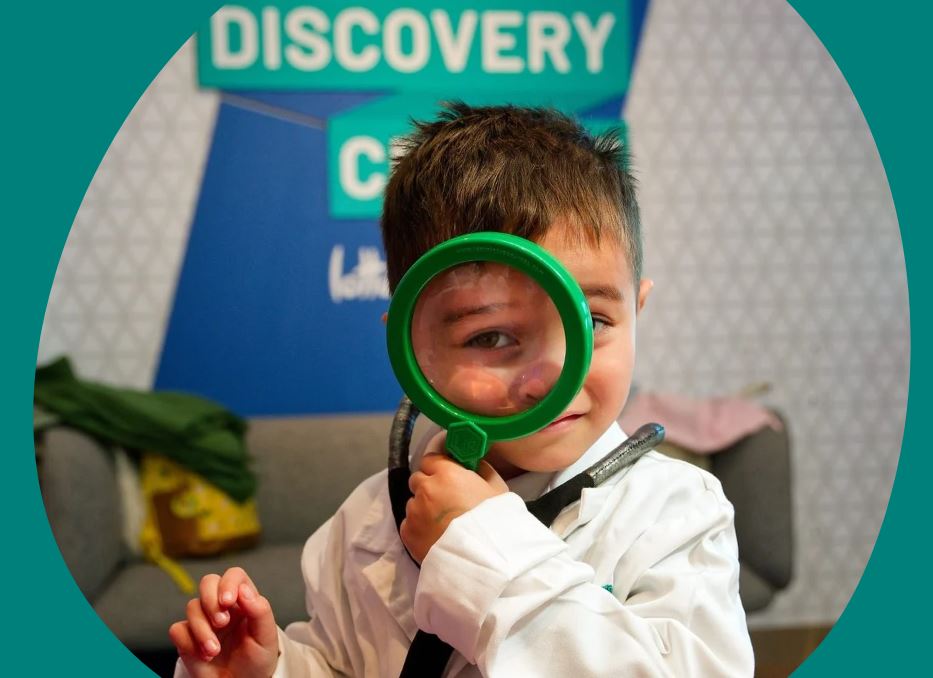
Get ready for a week of mind-blowing fun as the Discovery Centre comes alive for National Science Week with this year’s exciting theme: Decoding the Universe!
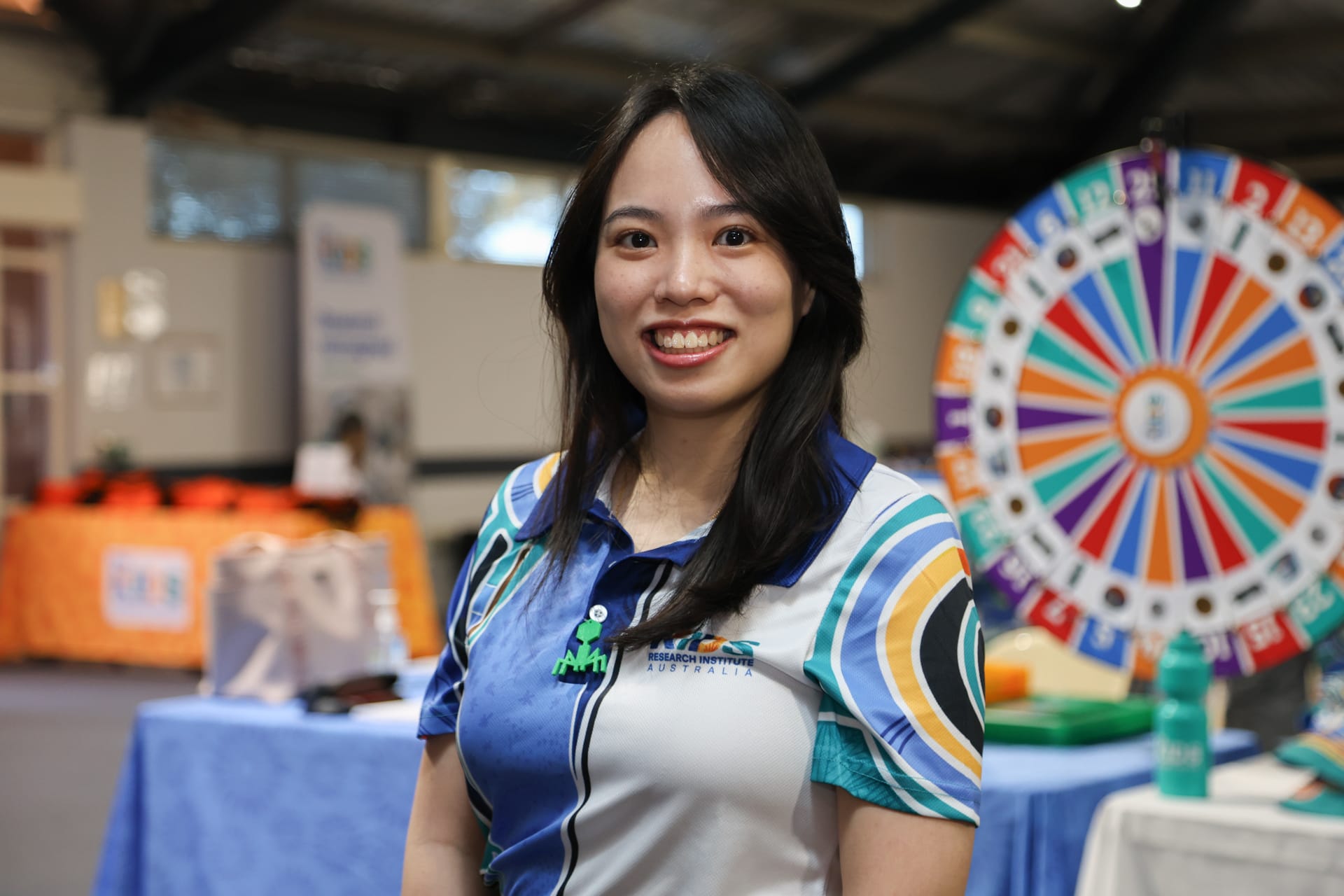
The Kids Research Institute Australia’s annual Prospective Student Evening is an opportunity for students considering Honours, Masters, MDs, or PhDs to learn about what it would mean to work on a project based at the Institute.
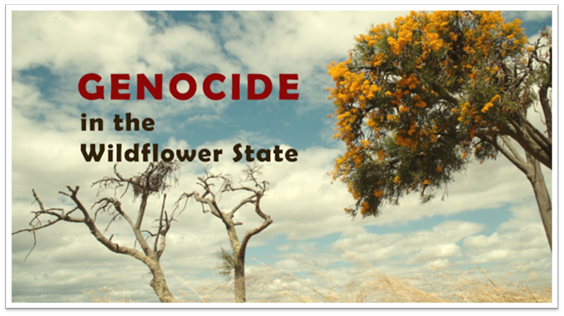
A powerful screening of truth telling that captures the stories of the Western Australia Stolen Generation.

Find out what our communities had to say about the draft Statement on Consumers and Community Involvement in Health and Medical Research.
Meta-analyses and single-site studies have established that children are less infectious than adults within a household when positive for ancestral SARS-CoV-2. In addition, children appear less susceptible to infection when exposed to ancestral SARS-CoV-2 within a household. The emergence of SARS-CoV-2 variants of concern (VOC) has been associated with an increased number of paediatric infections worldwide.
Individuals with borderline personality disorder (BPD) are at a substantial risk of harm to themselves and others, experience high levels of functional impairment and typically are high users of tertiary healthcare to address their mental health concerns. As indicators for BPD typically emerge in adolescence, a day therapy service in Bentley, Western Australia, Touchstone Child and Adolescent Mental Health Service (CAMHS), was developed as an intensive intervention for adolescents with indicators for BPD and its associated symptomology.
Autism omics research has historically been reductionist and diagnosis centric, with little attention paid to common co-occurring conditions (for example, sleep and feeding disorders) and the complex interplay between molecular profiles and neurodevelopment, genetics, environmental factors and health. Here we explored the plasma lipidome in 765 children (485 diagnosed with autism spectrum disorder (ASD)) within the Australian Autism Biobank.
Viral haemorrhagic fevers (VHF) cause significant economic and public health impact in Sub-Saharan Africa. Community knowledge, awareness and practices regarding such outbreaks play a pivotal role in their management and prevention. This study was carried out to assess community knowledge, attitude and practices regarding VHF in five geo-ecological zones in Tanzania.
The prevalence of scar formation following Bacille Calmette-Guérin (BCG) vaccination varies globally. The beneficial off-target effects of BCG are proposed to be stronger amongst children who develop a BCG scar. Within an international randomised trial ('BCG vaccination to reduce the impact of coronavirus disease 2019 (COVID-19) in healthcare workers'; BRACE Trial), this nested prospective cohort study assessed the prevalence of and factors influencing scar formation, as well as participant perception of BCG scarring 12 months following vaccination.
Both fetal and tumor tissue microenvironments display immunosuppressive features characterized by the presence of specific immunomodulatory stromal and immune cell populations. Recently, we discovered shared microenvironments between hepatocellular carcinoma and fetal tissues and described this phenomenon as an oncofetal ecosystem.