
Search
Showing results for " https://www.galaxus.ch/en/sector/showdiscussion/hack-someone-snap-visit-kunghaccom-j8f6qlhn-224830"
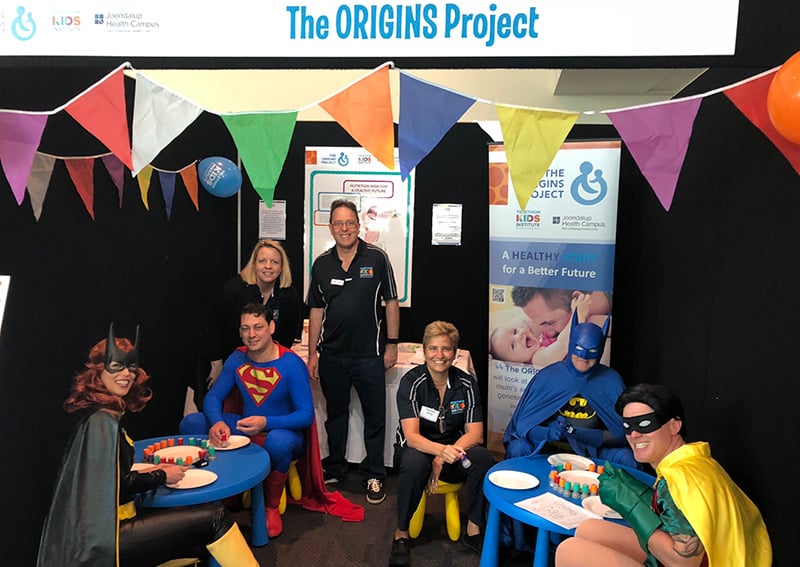
Over the weekend, ORIGINS staff were out in force in the phone rooms and in our ORIGINS Project booth at the Beneficiaries Expo at the Perth Convention and Exhibition Centre.
Like many other websites, the Institute website may use a standard technology called a 'cookie' to collect information about how you use the site. Any 'cookies' cannot be used to personally identify you.
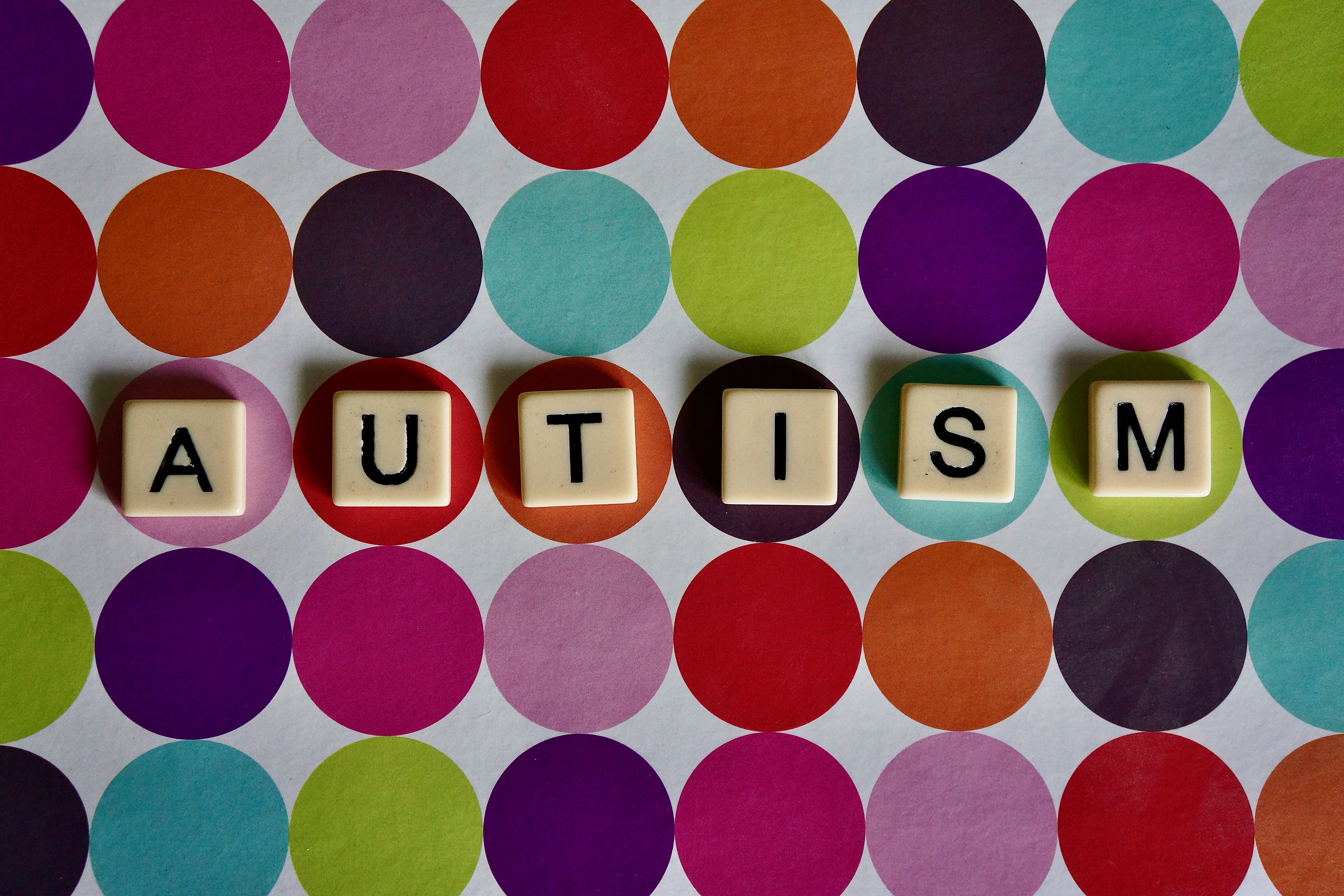
April is Autism Month and to mark the occasion, we’re transforming our reception desk in the clinic to an AMAZING wall for our families to contribute to.
While COVID-19 is frightening, we've created some resources designed to help families tackle the challenges this virus has created for us.
Skin conditions most frequently encountered in paediatric practice include infections, infestations, atopic dermatitis, and acne. Skin of colour refers to skin with increased melanin and darker pigmentation, and reflects global racial and ethnic diversity. Managing skin conditions in skin of colour requires health equity nuance, which is rarely explicitly taught.
Asymptomatic carriage of Streptococcus pyogenes (Strep A) may contribute to transmission, yet its role remains poorly understood and evidence on optimal detection methods is limited. While self-collected throat swabs are used in infectious disease surveillance, their value for identifying asymptomatic Strep A carriage in adults is uncertain. This pilot prospective cohort study, conducted at a Perth medical research institute between August and October 2024, assessed feasibility and acceptability of self-collection, with sensitivity as a secondary objective.
Remote-living Aboriginal children in Australia contend with higher rates of skin infections than non-Indigenous children. This work was embedded within a stepped-wedge, cluster randomised controlled trial aiming to halve the rate of skin infections in remote Kimberley communities. It outlines and reflects upon the co-development of a health promotion resource in partnership with the East Kimberley community of Warmun, whilst understanding community perceptions of its impact.
The skin is the largest and most visible organ of the human body. As such, skin infections can have a significant impact on overall health, social wellbeing and self-image.
Asha Rosemary Jeffrey Bowen Wyber Cannon BA MBBS DCH FRACP PhD GAICD FAHMS OAM MBChB MPH FRACGP PhD BSc(Hons) BBus PhD Head, Healthy Skin and ARF
Antimicrobials are the most commonly prescribed drug class in children. Overuse through inappropriate prescribing is a key driver of antimicrobial resistance and is recognized as one of the top 10 threats to global health by the World Health Organization.