Search
News & Events
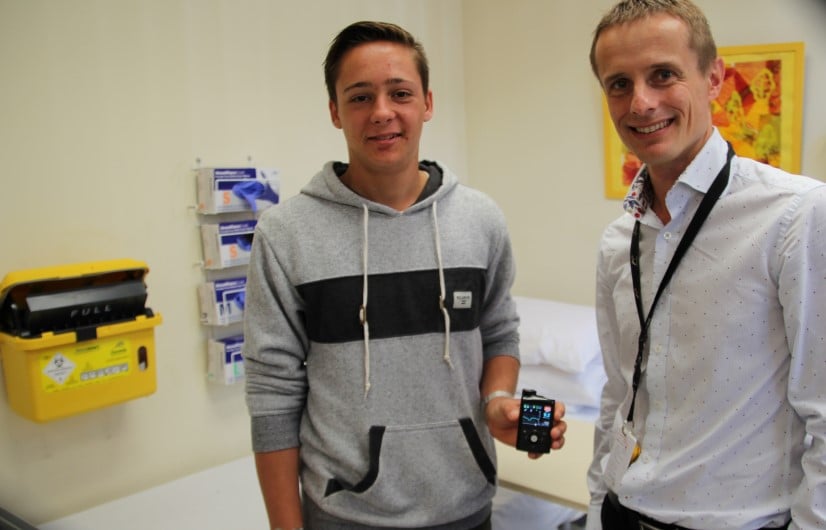
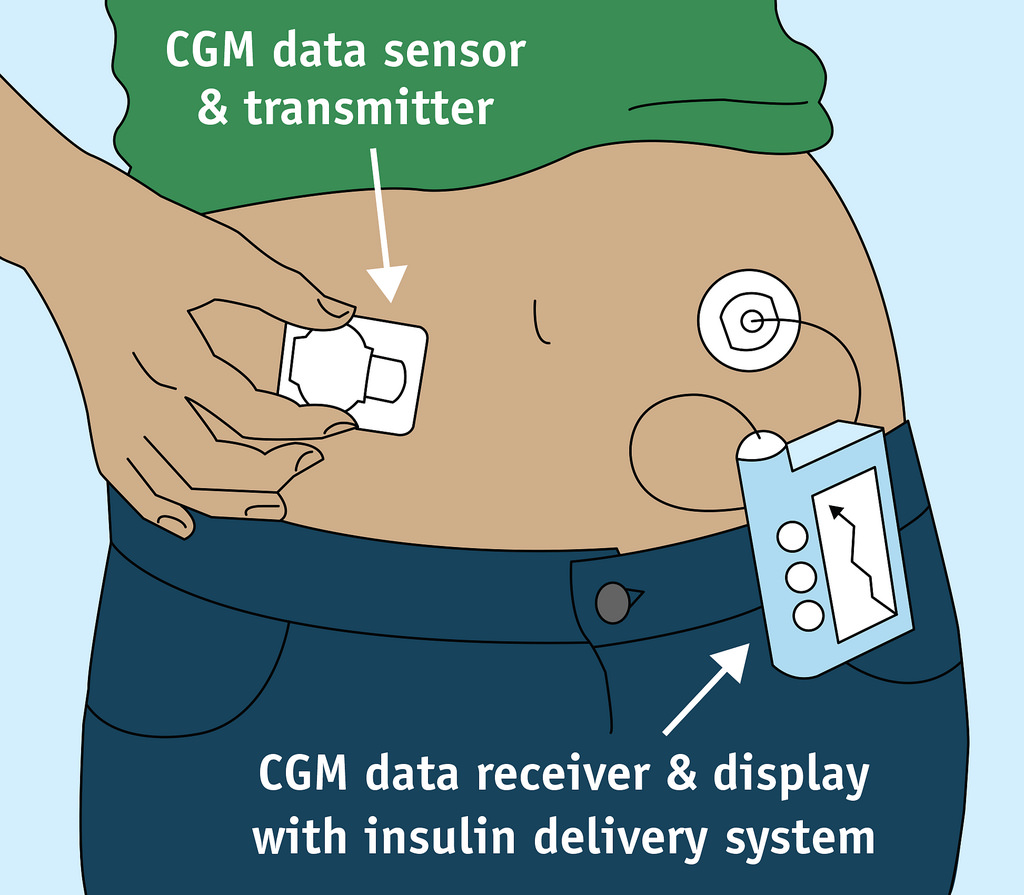
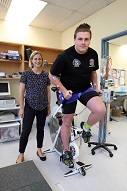
CGM and exercise trialChildren with Type 1 Diabetes (aged eight to 12 years) are needed for a new trial into Continuous Glucose Monitoring (CGM) and exercise.

News & Events
Sprint studyJoin us in Western Australia's first home-based study looking at the effect of sprinting during exercise in Type 1 Diabetes.
News & Events
Transitioning from paediatric to adult diabetes servicesThe period of transition between paediatric (child) services and adult-based services is a sensitive one for patients with diabetes.
Find out what the Children's Diabetes Centre is and what research it is conducting.
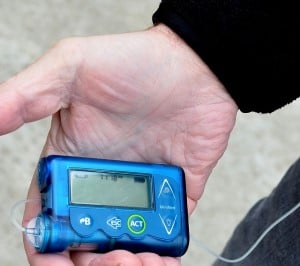
Pump Comparison tool . This easy-to-use updated comparison tool is designed to help you pick the right device for your family.
Websites we think you'll find useful.
Research
Contributions of digital technologies for resilience capacity in a type 1 diabetes transition clinic: A qualitative studyA type 1 diabetes (T1D) transition clinic in Sydney, Australia, provides age specific care for young adults (aged 16-25 years) and for adults (aged 21 years and above), and has reported improved clinical outcomes post transition to adult care over a 21-year period. This study investigated the contribution of digital technology to long-term resilient capacity of the clinic.
Research
Improved Glycemic Outcomes With Diabetes Technology Use Independent of Socioeconomic Status in Youth With Type 1 DiabetesTechnology use in type 1 diabetes (T1D) is impacted by socioeconomic status (SES). This analysis explored relationships between SES, glycemic outcomes, and technology use.
Research
Advances in Automated Insulin Delivery with the Medtronic 780G: The Australian ExperienceTo assess the real-world performance of MiniMedâ„¢ 780G for Australians with type 1 diabetes (T1D) following advanced hybrid closed loop (AHCL) activation and to evaluate the effect of changing from MiniMed 670/770G to 780G.
Research
Protocol for a nested case-control study design for omics investigations in the Environmental Determinants of Islet Autoimmunity cohortThe Environmental Determinants of Islet Autoimmunity (ENDIA) pregnancy-birth cohort investigates the developmental origins of type 1 diabetes (T1D), with recruitment between 2013 and 2019. ENDIA is the first study in the world with comprehensive data and biospecimen collection during pregnancy, at birth and through childhood from at-risk children who have a first-degree relative with T1D.