
Search
Showing results for " https://www.galaxus.ch/en/sector/showdiscussion/freesnapchathack-visit-kunghaccom-t1tzlqbw-226931"
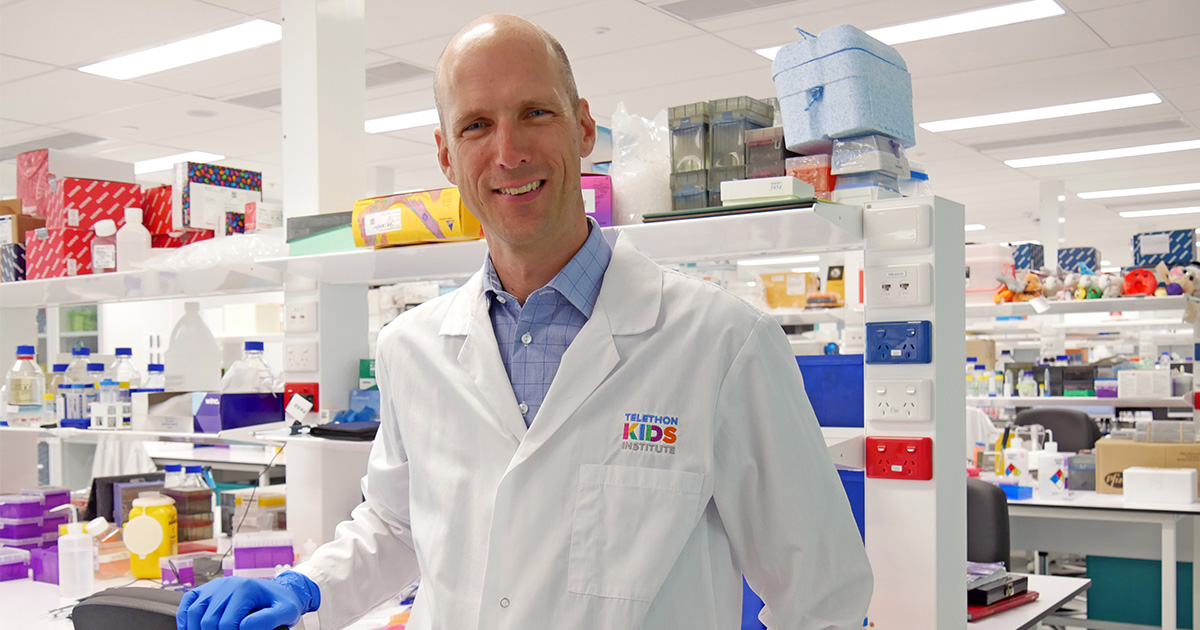
Researchers dedicated to developing the first cancer immunotherapy tablet have been boosted by a $374,000 CUREator top-up funding grant.

CliniKids has won the Excellence in Allied Health category at the inaugural National Disability Awards, announced in Melbourne tonight.

This series aims to provide some practical and evidence-based ideas to support your child and family.
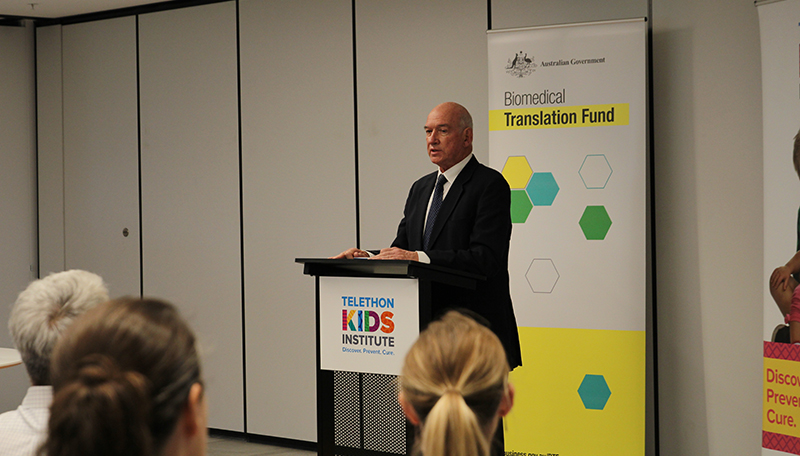
A The Kids Research Institute Australia spin-off company has received $20 million from the Medical Research Commercialisation Fund to develop a promising new therapy for the treatment of Cystic Fibrosis.

We’ve linked some helpful resources to assist you in your journey to healthy screen time habits in and outside of your household.

Two incredible team leaders from The Kids Research Institute Australia will join a cohort of 25 women working in STEM across Australia, to take part in the 2023 WILD program.
Recent interest in the diverse ecosystem of bacteria, fungi and viruses that make up the skin microbiome has led to numerous studies investigating the skin microbiome in healthy skin and in dermatological conditions. However, skin microbiome analysis is challenging due to relatively low numbers of skin microorganisms compared to mucosal sites, such as the respiratory or gastrointestinal tracts. Microbiome results are heavily influenced by sampling methods.
With cochlear implantation becoming increasingly performed worldwide, an understanding of the risk factors, preventive measures, and management of cochlear implant (CI) infection remains important given the significant morbidity and cost it conveys.
Tuberculosis (TB) is caused by Mycobacterium tuberculosis (Mtb) and is a leading cause of death. BCG is the only licensed TB vaccine. Preclinical studies have shown that in adults, intravenous administration of BCG improves protection against TB. We hypothesize that intradermal administration of BCG to the human newborn leads to low-grade BCG bacteremia and that this systemic dissemination improves protection against Mtb infection. This hypothesis is based on supporting observations including animal and human studies. It is a testable hypothesis and offers to deliver immediately actionable insight to advance the global efforts against TB.
Leclercia adecarboxylata is a rare cause of septic arthritis in children, and has intrinsic resistance to common antibiotics. We describe two cases of L. adecarboxylata septic arthritis in children that required re-presentation to hospital with prolonged treatment, and highlight the importance of considering L. adecarboxylata as a potential cause of infection among children with penetrating injuries and associated environmental exposure.