
Search
This paper outlines practical tips for inclusive healthcare practice and service delivery, covering diversity aspects and intersectionality. A team with wide-ranging lived experiences from a national public health association's diversity, equity, and inclusion group compiled the tips, which were reiteratively discussed and refined. The final twelve tips were selected for practical and broad applicability.
There are well-described sex-based differences in how the immune system operates. In particular, cisgender (cis) females have a more easily activated immune system; associated with an increased prevalence of autoimmune diseases and adverse events following vaccinations. Conversely, cis males have a higher threshold for immune activation, and are more prone to certain infectious diseases, such as coronavirus disease (COVID-19).
The past three decades have seen a major shift in our understanding of the strong links between autism and identity. These developments have called for careful consideration of the language used to describe autism.
Trans youth are at high risk of mental health difficulties and negative life events. Strong parental support is highly protective however there is little understanding of what factors facilitate the process of parental understanding and acceptance of a child’s gender identity.
Research has shown that parents of trans children face numerous challenges as they navigate their parenting role, however, little is known about the impact of these challenges on parents’ psychological wellbeing.
Many adolescents with diverse sexual orientations lead happy and fulfilled lives. However, evidence consistently suggests elevated rates of mental health difficulties in this population relative to heterosexual peers, and internalization of stigma (i.e., self-stigma) is implicated in these elevated rates. This study aimed to understand and describe the lived experience of self-stigma with respect to participants’ sexual orientations.
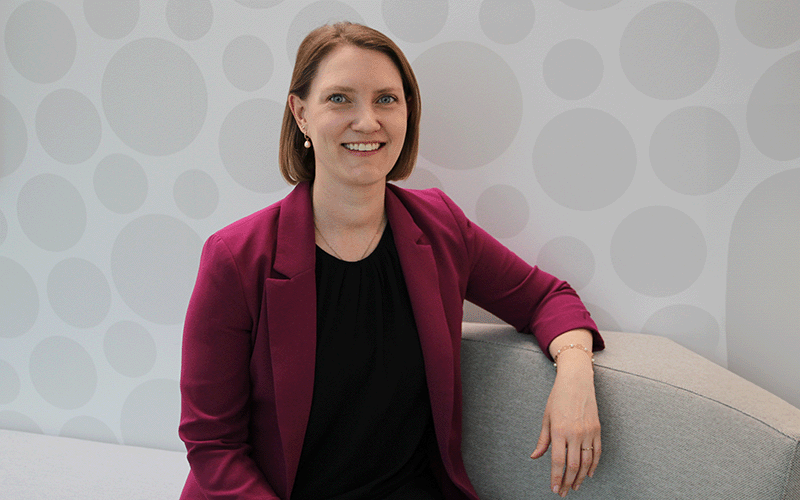
A remarkable Institute leader will join a cohort of 25 STEM-qualified women to take part in the prestigious 2024 Women in Leadership Development (WILD) program.
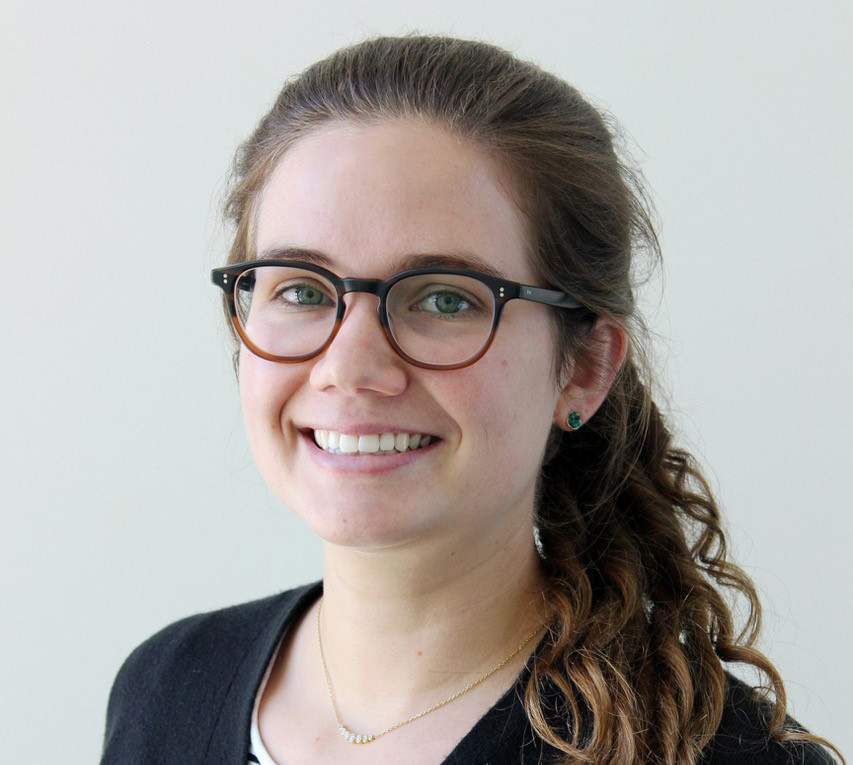
Youth mental health researcher Penelope Strauss has been named an AMP Tomorrow Maker – the first researcher from The Kids Research Institute Australia to win one of the annual AMP Foundation grants.
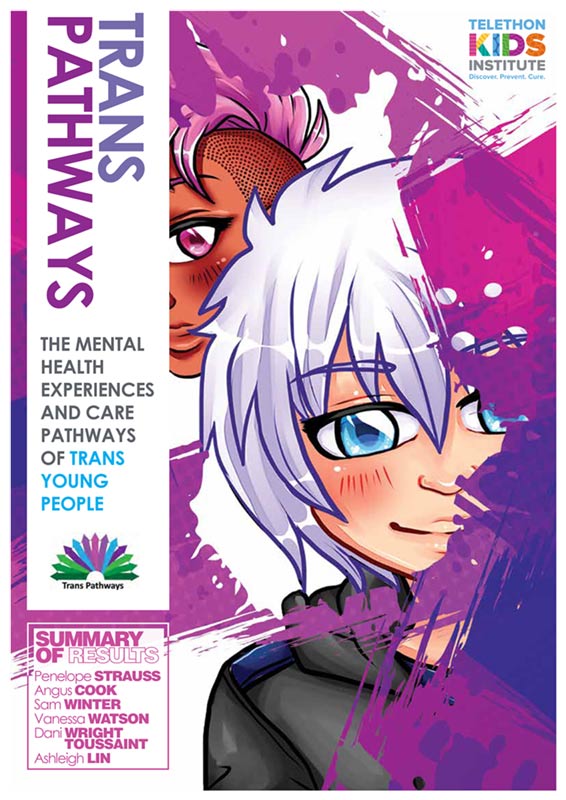
Trans Pathways is the largest ever survey conducted into the mental health of trans young people in Australia.

We have launched a national survey to investigate how we can better support young people who don't identify as the gender they were assigned at birth.