
Search
Aboriginal children hospitalised with acute lower respiratory infections (ALRIs) are at-risk of developing bronchiectasis, which can progress from untreated protracted bacterial bronchitis, often evidenced by a chronic (>4 weeks) wet cough following discharge. We aimed to facilitate follow-up for Aboriginal children hospitalised with ALRIs to provide optimal management and improve their respiratory health outcomes.
Noninvasive measurement of respiratory impedance by oscillometry can be used in young children aged from 3 years and those unable to perform forced respiratory manoeuvres. It can discriminate between healthy children and those with respiratory disease. However, its clinical application is limited by the lack of reference data for African paediatric populations. The aim of the present study was to develop reference equations for oscillometry outcomes in South African children and adolescents.
Respiratory syncytial virus contributes to significant global infant morbidity and mortality. We applied a previously developed statistical prediction model incorporating pre-pandemic RSV testing data and hospital admission data to estimate infant RSV-hospitalizations by birth month and prematurity, focused on infants aged <1 year.
Respiratory syncytial virus is the second most common cause of infant mortality and a major cause of morbidity and mortality in older adults (aged >60 years). Efforts to develop a respiratory syncytial virus vaccine or immunoprophylaxis remain highly active.
Patient-reported outcome measures (PROMs) are recommended for capturing meaningful outcomes in clinical trials. The use of PROMs for children with acute lower respiratory infections (ALRIs) has not been systematically reported. We aimed to identify and characterise patient-reported outcomes and PROMs used in paediatric ALRI studies and summarise their measurement properties.

Respiratory Syncytial Virus (RSV) is a year-round threat to the health of babies and young children, and one of the leading causes of infant hospitalisation in Australia. It is highly contagious and can cause anything from mild cold-like symptoms to severe lung infections such as bronchiolitis and pneumonia. For n

Global circulation of respiratory syncytial virus (RSV) is shaped by human air travel with travellers hosting new strains fuelling transmission across borders, an international The Kids Research Institute Australia study found.
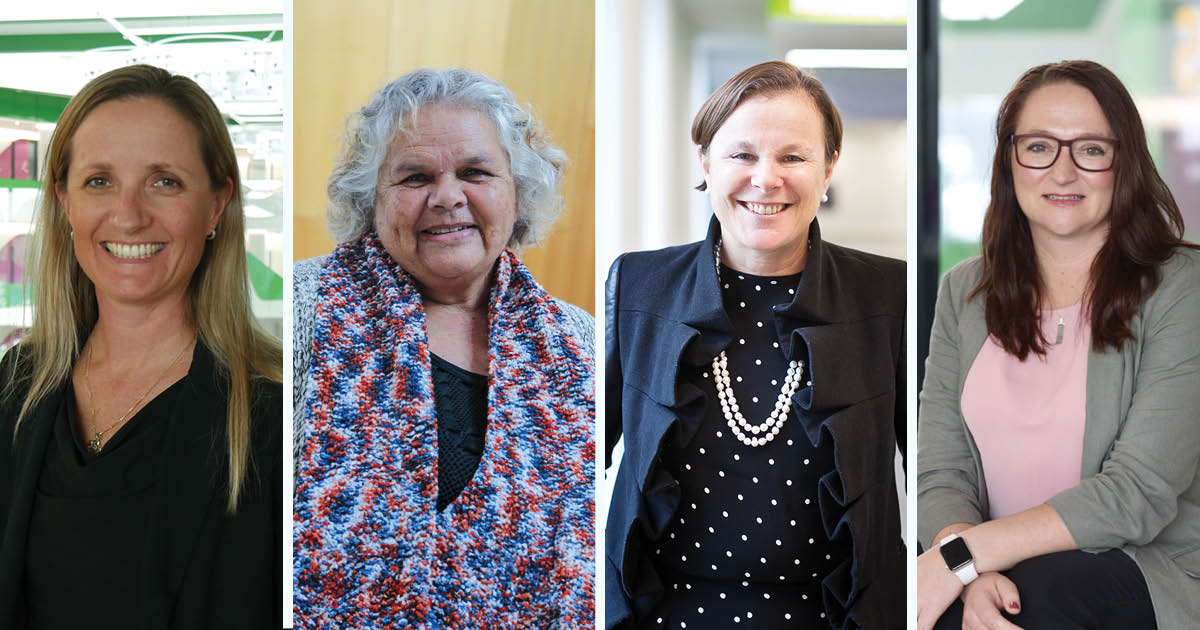
Four outstanding members of The Kids Research Institute Australia family – three researchers and an Aboriginal Elder co-researcher – have been named in the Australia Day Honours List for their outstanding service to research and the community.
Experts are warning Aboriginal parents in Western Australia with newborn babies to be vigilant about Respiratory Syncytial Virus (RSV) as winter progresses.
A world-first study has found a new vaccine against potentially deadly respiratory syncytial virus (RSV) is safe and effective for use in pregnant women, to help protect their babies.