
Search
Otitis media (OM; middle ear infection) is the most common reason for pre-school children to visit a doctor, be prescribed antimicrobials, or undergo surgery. Recent Cochrane reviews of clinical trials have identified that antibiotics and grommet surgery are only moderately effective in treating OM, with recurrent or persistent infection observed in one-third of children. Research efforts are focusing on developing improved therapies to treat OM and prevent disease recurrence.
Ahead of the implementation of a COVID-19 vaccination programme, the interdisciplinary Coronavax research team developed a multicomponent mixed methods project to support successful roll-out of the COVID-19 vaccine in Western Australia. This project seeks to analyse community attitudes about COVID-19 vaccination, vaccine access and information needs. We also study how government incorporates research findings into the vaccination programme.
The role of children in the spread of severe acute respiratory syndrome coronavirus 2 (SARS-CoV-2) remains highly controversial. To address this issue, we performed a meta-analysis of the published literature on household SARS-CoV-2 transmission clusters (n = 213 from 12 countries). Only 8 (3.8%) transmission clusters were identified as having a pediatric index case.
Asha Jeffrey Bowen Cannon BA MBBS DCH FRACP PhD GAICD FAHMS OAM BSc(Hons) BBus PhD Head, Healthy Skin and ARF Prevention Health Economist
In 2020, school and early childhood educational centre (ECEC) closures affected over 1.5 billion school-aged children globally as part of the COVID-19 pandemic response. Attendance at school and access to ECEC is critical to a child's learning, well-being and health. School closures increase inequities by disproportionately affecting vulnerable children. Here, we summarise the role of children and adolescents in Severe Acute Respiratory Syndrome Coronavirus 2 (SARS-CoV-2) transmission and that of schools and ECECs in community transmission and describe the Australian experience.
A summary of the literature regarding the use of adjunctive protein synthesis inhibitors for toxin suppression in the setting of S. aureus infections is presented
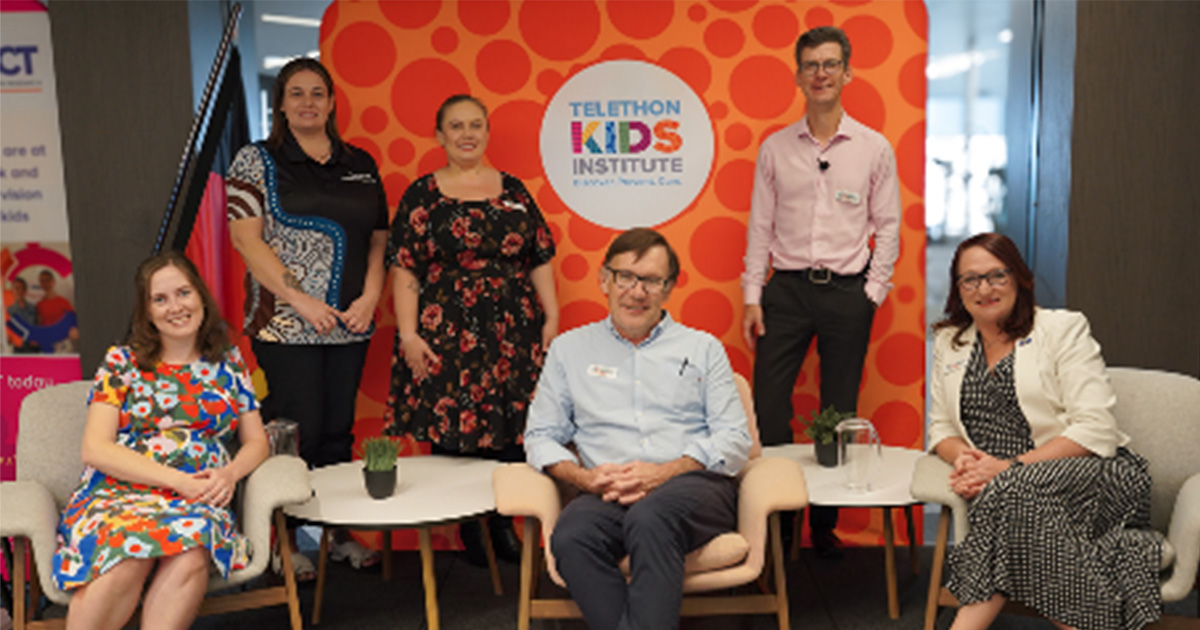
STAMP RSV is a multifaceted program of work with the single focus to prepare the community for the uptake of new and emerging RSV immunisation strategies by providing the evidence to inform public health policy.
This tool is designed to help current and future parents and caregivers as well as health care providers. It is currently based on the 2026 Western Australian RSV immunisation program.
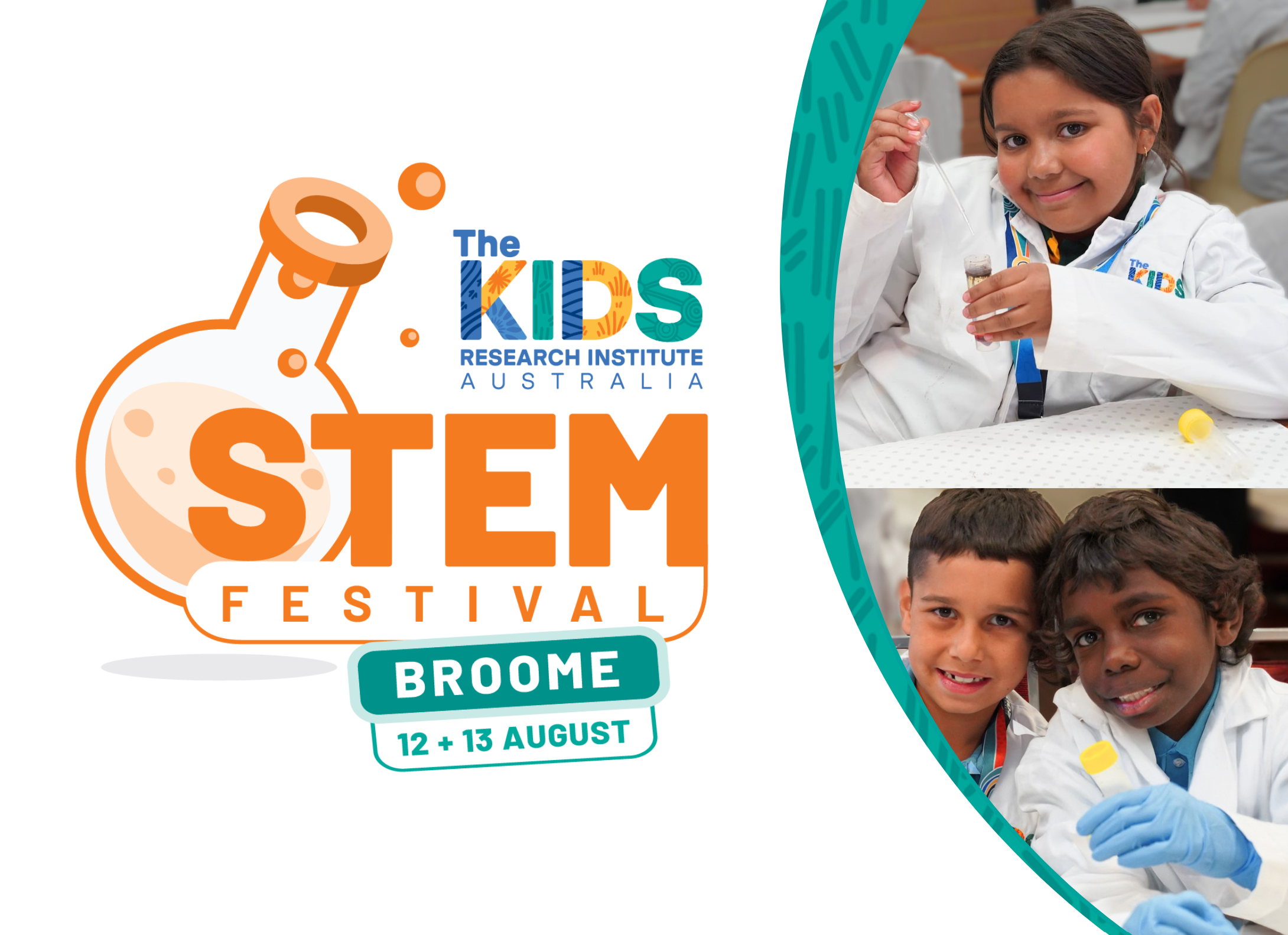
Register now and experience an awesome adventure into the world of Science, Technology, Engineering and Mathematics this August!