
Search
Showing results for " https://www.galaxus.ch/en/sector/showdiscussion/freesnapchathack-visit-kunghaccom-t1tzlqbw-226931"
Improving nutrition and physical activity is a global health priority. Within Cochrane’s new production model, Thematic Groups (TG) with specialist content and review methods expertise have been established. The purpose of TGs is to support the development and dissemination of high-quality evidence syntheses on priority issues.
Limited research investigates early childhood education and care (ECEC) educators' involvement in promoting physical activity. The aim was to identify distinct profiles based on physical activity-related practices and psychosocial factors in ECEC educators and examine how they relate to the amount of time allocated to children's physical activity. A secondary analysis of educator-reported survey data from the Play Active study was undertaken.
Childcare services such as preschools and long day care centres have been identified as a key setting to promote physical activity in early childhood as they provide access to large numbers of children for prolonged periods. Yet, specific standards for the type and amount of physical activity children accumulate whilst attending childcare are lacking. The purpose of this study was to derive population-referenced percentile values for children's total movement and energetic play whilst attending early childhood education and care services.
Knowledge of developmental trends in meeting age-specific 24-hour movement behaviour guidelines is lacking. This study describes developmental trends in device-measured physical activity and sedentary time over a three-year period among Western Australian children aged two to seven years, including differences between boys and girls.
Natural outdoor environments provide important settings for children to engage in physical activity. It is unclear if these relationships also exist in preschool aged children. We examined associations between amount and type of neighbourhood vegetation and blue space, proximity to the beach and preschooler's device-measured movement behaviours.
Pete Azzopardi PhD, FRACP, MEpi, MBBS, GDipBiostats, BMedSci Head, Adolescent Health and Wellbeing Head, Adolescent Health and Wellbeing Professor
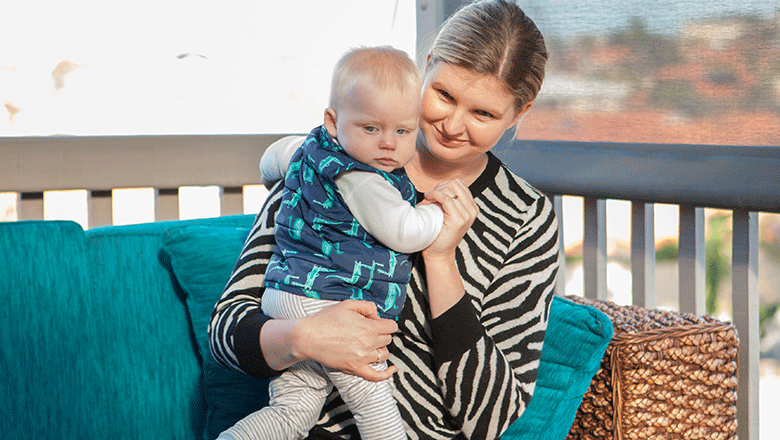
Western Australia's three largest medical research institutes have joined other institutes across the nation in support of enhanced public investment in health
Hundreds of researchers from Perth's The Kids for Child Health Research will join a rally in Forrest Place today
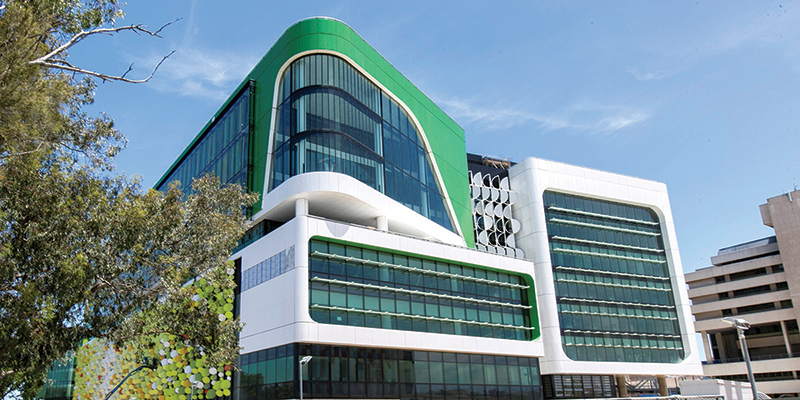
The Kids Research Institute Australia is one of 20 West Australian research facilities to share in $25 million funding under the State Government’s Research Infrastructure Support (RIS) program, through the Future Health Research and Innovation (FHRI) Fund.
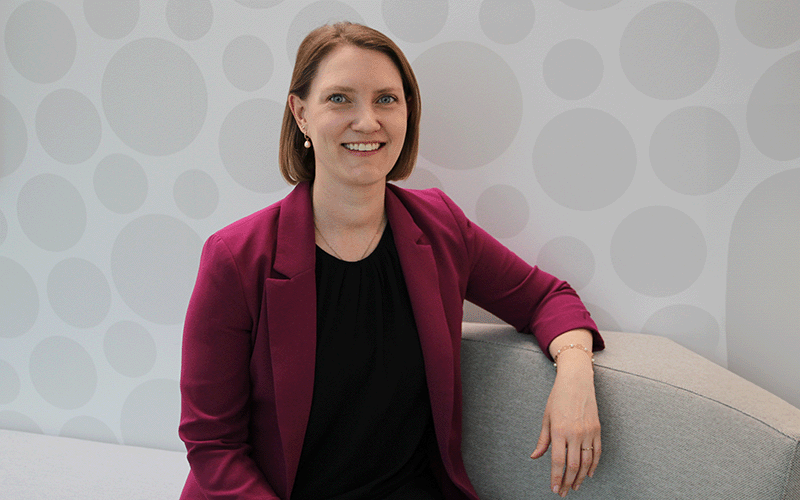
A remarkable Institute leader will join a cohort of 25 STEM-qualified women to take part in the prestigious 2024 Women in Leadership Development (WILD) program.