
Search
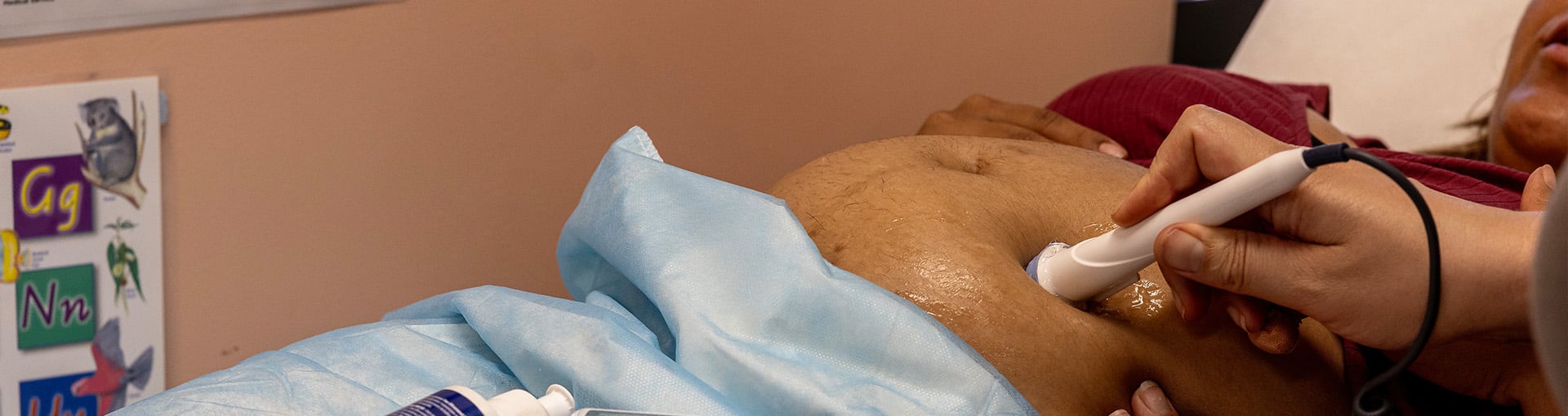
For pregnant Aboriginal women living in WA’s East Pilbara, significant issues systematically impede their pregnancy journey and a safe and healthy start to life for their babies.
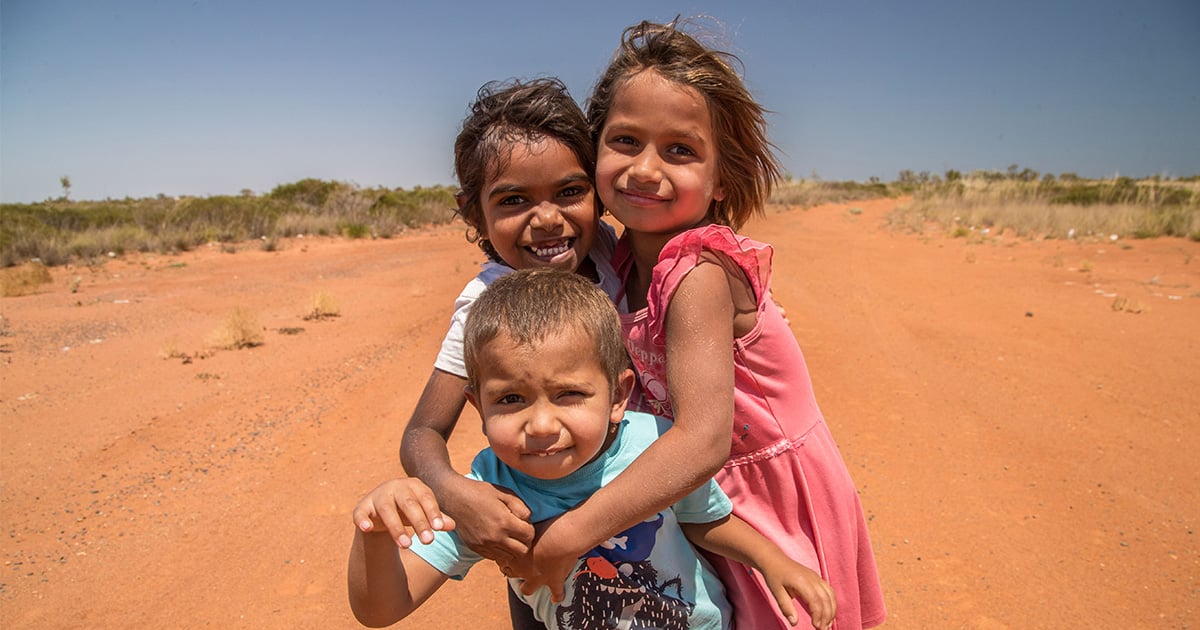
Early in the consultation phase of the project, local Elders through Hedland Aboriginal Strong Leaders, education representatives and others identified that vulnerable families needed help navigating and accessing local support services that were already available in Port Hedland.
This study examined how mental health clinicians conceptualise, assess, and treat dissociation in children and adolescents, and examined their confidence in working with these presentations to inform clinical practice.
The declining mental health of youth in late adolescence and early adulthood represents a serious public health concern, resulting in substantial symptom burden, mortality, and societal cost. Despite this, youth with clinical mental illnesses show poor engagement with mental health services.
The burden of hepatitis C virus (HCV) infection often falls disproportionately on migrant populations within high-income countries. Differences in health literacy, language, comorbidities, and HCV genotype may influence HCV natural history.
Childhood obesity prevalence is increasing globally, with Aboriginal and Torres Strait Islander children over-represented in Australian data. Evidence-based, community healthy lifestyle programs require culturally safe adaptation when implemented in new First Nations contexts, where prioritising access and engagement of First Nations groups is critical.
Occurring in 1% of school-aged children, Tourette syndrome is a neurodevelopmental disorder characterised by uncontrollable movements and vocalisations known as tics.
Pertussis, also known as whooping cough, is a highly contagious respiratory disease.
Can young people experiencing homelessness be part of the solution in suicide prevention? That is the question youth mental health researchers at Embrace at The Kids Research Institute Australia will investigate.
A number of organisations have created COVID-19 resources specifically developed for Aboriginal and Torres Strait Islander people.