
Search
Showing results for " unicc料站, 【访问 Amsiga.com】oJM3t5i, CVV通道, CVV刷货论坛, 同步鱼 urLR"
Group A Streptococcus (GAS) is a Gram-positive bacterial pathogen that causes an array of infectious diseases in humans. Accumulating clinical evidence suggests that proinflammatory interleukin (IL)-1beta signaling plays an important role in GAS disease progression.
The re-emergence of scarlet fever poses a new global public health threat. The capacity of North-East Asian serotype M12 (emm12) Streptococcus pyogenes (group A Streptococcus, GAS) to cause scarlet fever has been linked epidemiologically to the presence of novel prophages
This paper describes the Australian Early Development Index, a developmental census conducted by the Australian Government across the entire population of...
Among genes present in all group A streptococci (GAS), those encoding M-fibril and T-pilus proteins display the highest levels of sequence diversity, giving rise to the two primary serological typing schemes historically used to define strain. A new genotyping scheme for the pilin adhesin and backbone genes is developed and, when combined with emm typing, provides an account of the global GAS strain population.

London Olympics torchbearer Gavin Griffiths is living proof that a Type 1 Diabetes diagnosis is no obstacle to making the most out of life.
We currently have an exciting opportunity for a Director, Strategy and Innovation to join The Kids Research Institute Australia in Perth, WA.
Chronic suppurative otitis media (CSOM), sometimes referred to as chronic otitis media (COM), is a chronic inflammation and often polymicrobial infection of the middle ear and mastoid cavity, characterised by ear discharge (otorrhoea) through a perforated tympanic membrane. The predominant symptoms of CSOM are ear discharge and hearing loss. Topical antiseptics, a possible treatment for CSOM, inhibit the micro-organisms that may be responsible for the infection. Antiseptics can be used alone or in addition to other treatments for CSOM, such as antibiotics or ear cleaning (aural toileting). However, the effects of topical antiseptics for CSOM remain unclear. This is an update of a review last published in 2020, with one new study added. It is one of a suite of seven Cochrane reviews evaluating the effects of non-surgical interventions for CSOM
Chronic suppurative otitis media (CSOM), sometimes referred to as chronic otitis media (COM), is a chronic inflammation and often polymicrobial infection of the middle ear and mastoid cavity, characterised by ear discharge (otorrhoea) through a perforated tympanic membrane. The predominant symptoms of CSOM are ear discharge and hearing loss. Topical antiseptics, a possible treatment for CSOM, inhibit the micro-organisms that may be responsible for the infection. Antiseptics can be used alone or in addition to other treatments for CSOM, such as antibiotics or ear cleaning (aural toileting). However, the effects of topical antiseptics for CSOM remain unclear. This is an update of a review last published in 2020, with one new study added. It is one of a suite of seven Cochrane reviews evaluating the effects of non-surgical interventions for CSOM
Australian charity celebrates 20 years of providing meningitis awareness and marks World Meningitis Day with footy star
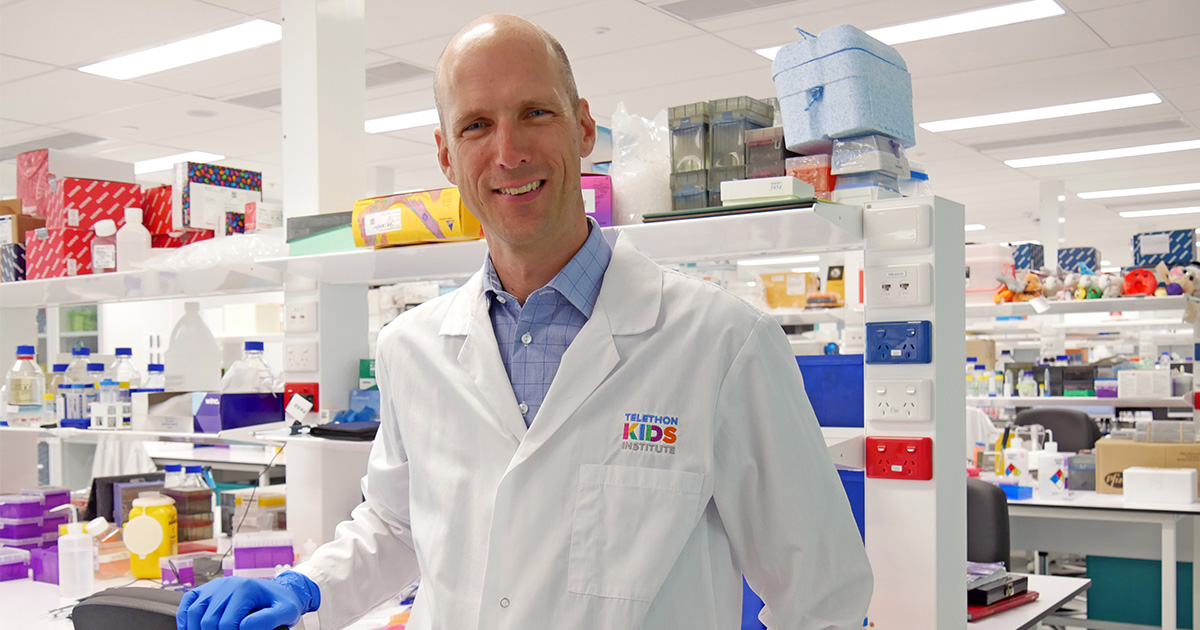
Researchers dedicated to developing the first cancer immunotherapy tablet have been boosted by a $374,000 CUREator top-up funding grant.