
Search
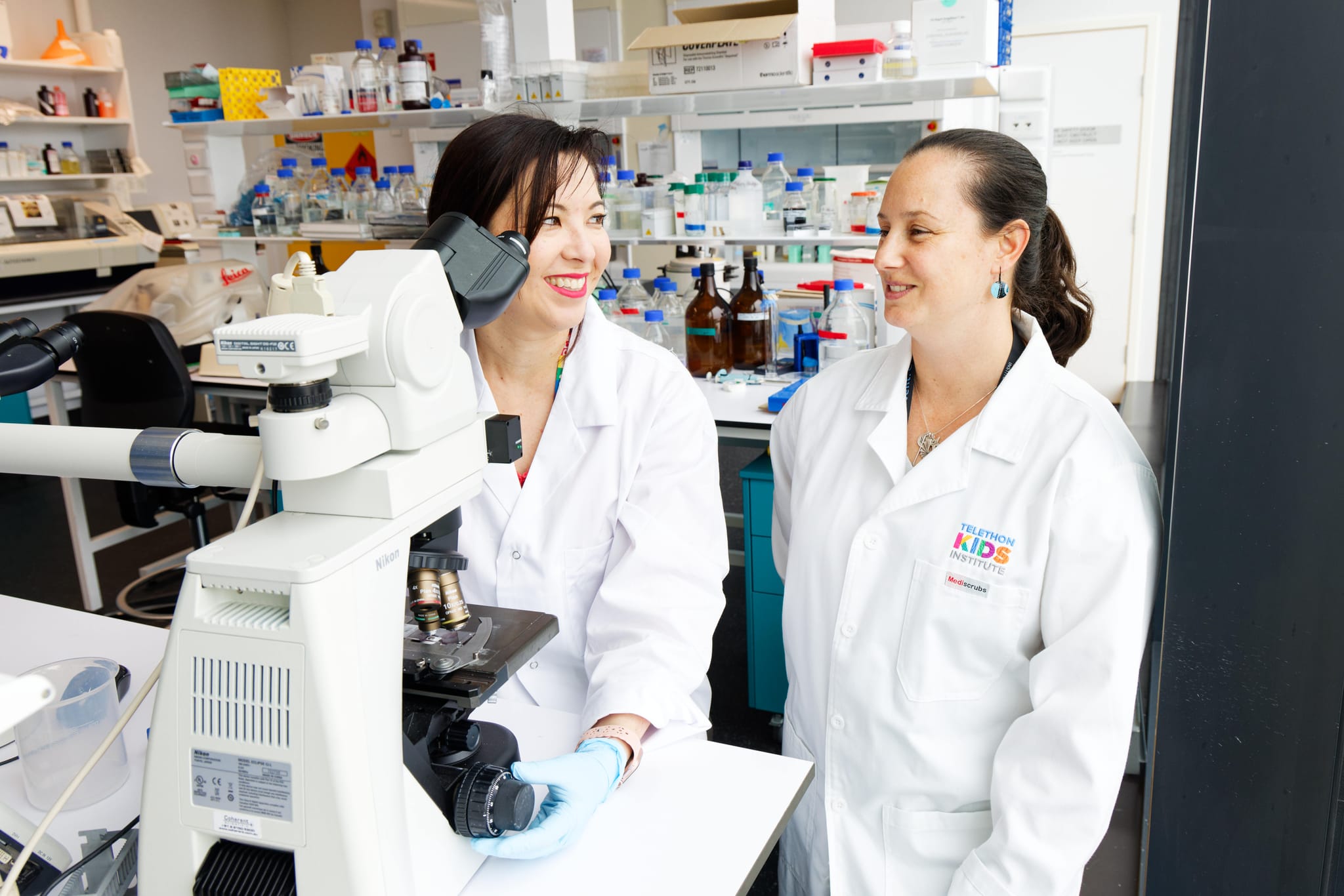
Dr Jessica Buck and Associate Professor Raelene Endersby have been appointed to the prestigious Australian Brain Cancer Mission Expert Advisory Panel.
Gliomas account for nearly 30% of all primary central nervous system (CNS) tumors in children and adolescents and young adults (AYA), contributing to significant morbidity and mortality. The updated molecular classification of gliomas defines molecularly diverse subtypes with a spectrum of tumors associated with age-distinct incidence.
Invasive fungal disease is a common and important complication in children with acute myeloid leukaemia (AML). We describe the epidemiology of IFD in a large multicentre cohort of children with AML.
Each year, approximately 1000 children in Australia and New Zealand, aged 0–14 years, are diagnosed with cancer. Despite paediatric cancer accounting for less than 1% of all cancer cases, the impact on their families and communities is profound and disproportionate.
Pineal parenchymal tumors are rare neoplasms for which evidence-based treatment recommendations are lacking. These tumors vary in biology, clinical characteristics, and prognosis, requiring treatment that ranges from surgical resection alone to intensive multimodal antineoplastic therapy.
Our international team highlights issues with efficacy reports in several studies on DMG with the new drug ONC201.
KMT2A-rearranged acute lymphoblastic leukaemia (ALL) represents a high risk subtype of childhood ALL. Historical treatment strategies have comprised of intensification with conventional chemotherapy. However, outcomes have remained consistently poor compared to the advances that have been seen for other ALL subtypes, particularly for infants diagnosed before their first birthday
Recurrences frequently occur following surgical removal of primary tumors. In many cancers, adjuvant therapies have limited efficacy. Surgery provides access to the tumor microenvironment, creating an opportunity for local therapy, in particular immunotherapy, which can induce local and systemic anti-cancer effects.
Mesothelioma is characterised by its aggressive invasive behaviour, affecting the surrounding tissues of the pleura or peritoneum. We compared an invasive pleural model with a non-invasive subcutaneous model of mesothelioma and performed transcriptomic analyses on the tumour samples.
Children with Down syndrome (DS, trisomy 21) are at a significantly higher risk of developing acute leukemia compared to the overall population. Many studies investigating the link between trisomy 21 and leukemia initiation and progression have been conducted over the last two decades.