
Search
Valvular heart disease is a major contributor to loss of physical function, quality of life and longevity. The epidemiology of VHD varies substantially around the world, with a predominance of functional and degenerative disease in high-income countries, and a predominance of rheumatic heart disease in low-income and middle-income countries. Reflecting this distribution, rheumatic heart disease remains by far the most common manifestation of VHD worldwide and affects approximately 41 million people.
The role of children in the spread of severe acute respiratory syndrome coronavirus 2 (SARS-CoV-2) remains highly controversial. To address this issue, we performed a meta-analysis of the published literature on household SARS-CoV-2 transmission clusters (n = 213 from 12 countries). Only 8 (3.8%) transmission clusters were identified as having a pediatric index case.
Jonathan Jeffrey Carapetis AM Cannon AM MBBS FRACP FAFPHM PhD FAHMS BSc(Hons) BBus PhD Co-Head, Strep A Translation; Co-Founder of REACH Health
The incidence of invasive GAS disease in WA increased between 2000 and 2018, particularly among Indigenous Australians. Mandatory notification of invasive GAS disease would therefore be appropriate. The social determinants of differences in incidence should be addressed, and other relevant host, pathogen, and health system factors investigated.
Indigenous children and young peoples live with an inequitable burden of acute rheumatic fever and rheumatic heart disease. In this Review, we focus on the epidemiological burden and lived experience of these conditions for Indigenous young peoples in Australia, New Zealand, and Canada. We outline the direct and indirect drivers of rheumatic heart disease risk and their mitigation.
We explore the acceptability of a novel, outreached-based approach to improve primary and primordial prevention of Strep A skin sores, sore throats and acute rheumatic fever in remote Aboriginal communities. A comprehensive prevention program delivered by trained Aboriginal Community Workers was evaluated using approximately fortnightly household surveys about health and housing and clinical records.
This chapter outlines the evidence and evolution of RHD control programs and draws conclusions about priorities following the 2018 World Health Organization Global Resolution on rheumatic fever and RHD.
The END RHD CRE is producing a costed, step-wise strategy to end rheumatic heart disease (RHD) as public health priority in Australia.

The END RHD CRE focuses priority research projects that will help achieve the singular target of producing the Endgame Strategy.
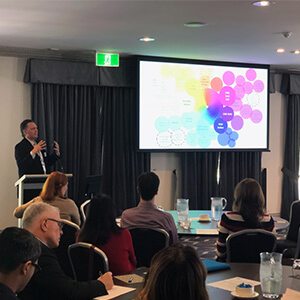
Between 3rd - 5th May 2018, researchers from Australia, New Zealand, South Africa, and the United States (representing their Uganda collaboration) convened in Fremantle, Western Australia to attend the Strep A Spectrum Meetings: from Science to Strategy.