
Search
The current findings showed that involvement in any bullying behaviour was associated with increased risk of concurrent mental health problems
Overweight and obese children reported greater psychosocial distress than healthy weight children, and these differences were more pronounced for girls than boys.
The aim of this study was to add to the emerging knowledge about the role of bystanders in cyberbullying.
Social anxiety, peer victimisation, and social support are key issues during mid-childhood that provide important influence in the later adolescent years. While extensive research has evaluated these constructs in isolation and during adolescence, almost no longitudinal studies have evaluated relationships between them during mid-childhood.
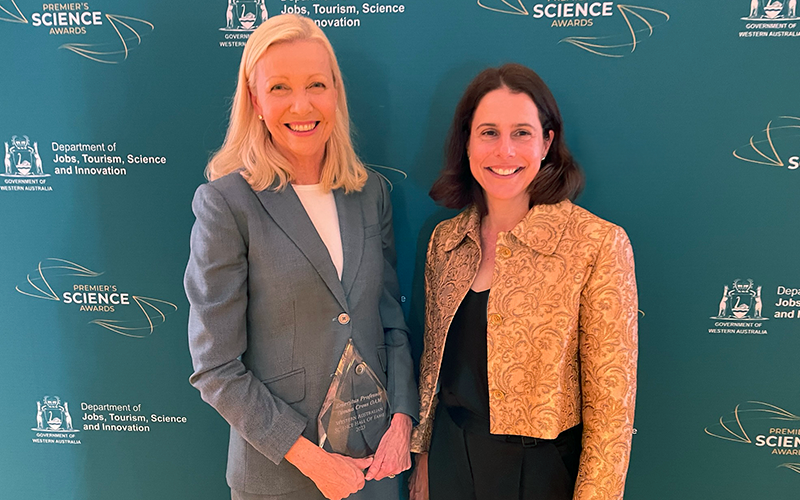
Pioneering anti-bullying researcher Emeritus Professor Donna Cross OAM was last night announced as the latest inductee into the WA Science Hall of Fame.
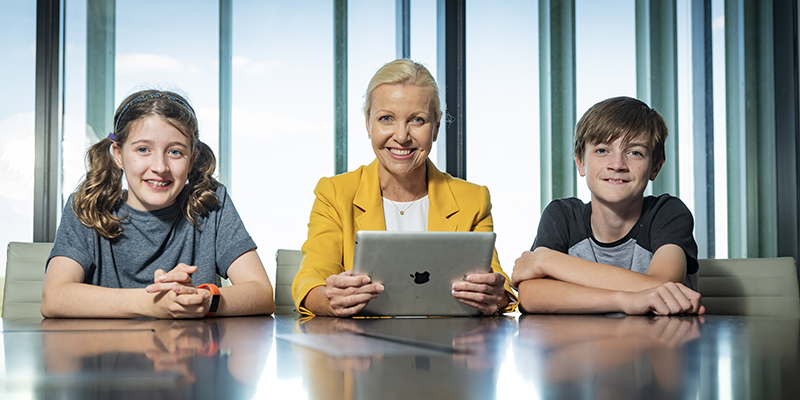
What began as a small formative research project 20 years ago has grown into a universal bullying prevention and social skills development program which has helped countless Australian children and their families.

As a parent, it can be very stressful to learn that your child is being bullied. Our instinct is to protect our children at all costs - but how exactly should we do this?
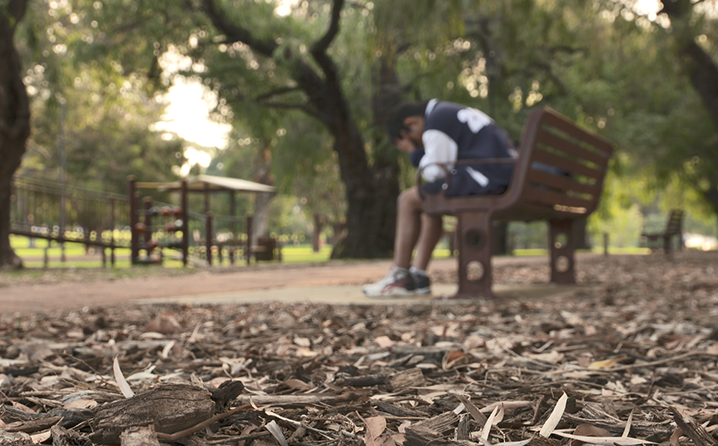
More than half of all children who are bullied do not tell anyone.
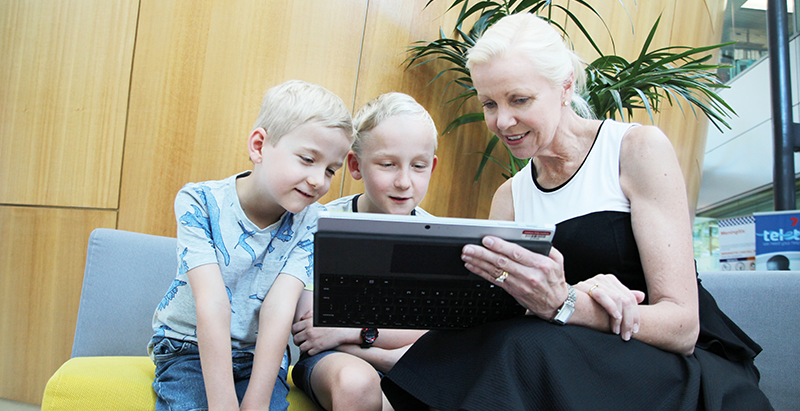
Schools from around the globe have turned to The Kids Research Institute Australia, seeking access to invaluable lessons learned from Australian students on how to effectively reduce harm from cyberbullying.
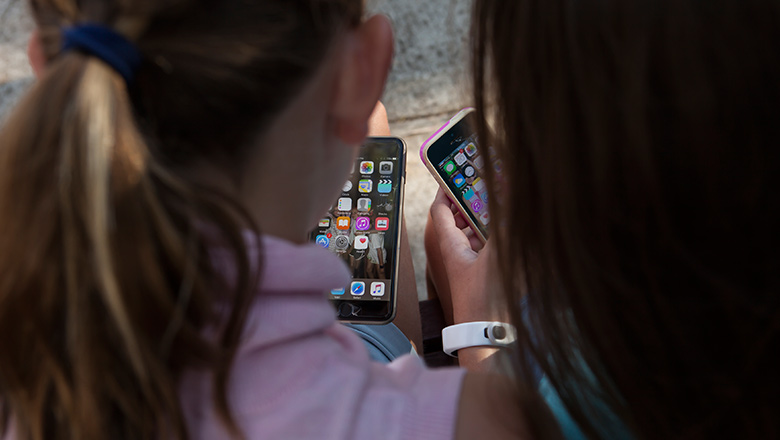
Professor Donna Cross’ innovative research aims to protect children from the harmful effects of online bullying.