
Search
There is a greater prevalence of multiple sclerosis (MS), a neurological autoimmune condition, in populations living further from the equator, hypothesised to be due to reduced sunlight exposure. There exists a proven sunlight surrogate therapy for dermatological inflammatory conditions, in the form of narrowband NB-UVB phototherapy. Yet, there is a paucity of randomized trials of the therapeutic delivery of NB-UVB beyond dermatology for conditions with a systemic inflammatory component.
Remission is the desired outcome following OIT as it allows individuals to discontinue treatment and eat the allergen freely. Early initiation of OIT in infants and toddlers has been embraced as an approach to increase the likelihood of remission. However, there is no high-quality evidence supporting younger age as an independent factor driving remission; available studies are limited by small samples of younger subjects and lack of adjustment for confounding covariates, particularly peanut-specific IgE (sIgE) levels which is closely cor
The hallmark of atopic asthma is transient airways hyperresponsiveness (AHR) preceded by aeroallergen-induced Th-cell activation.
Asthma is a chronic inflammatory disease of the small and large conducting airway mucosa characterised by Th2 cell immunity.
This chapter describes the preparation of respiratory tract tissue from both mice and rats for the isolation of respiratory tract dendritic cells (RTDC).
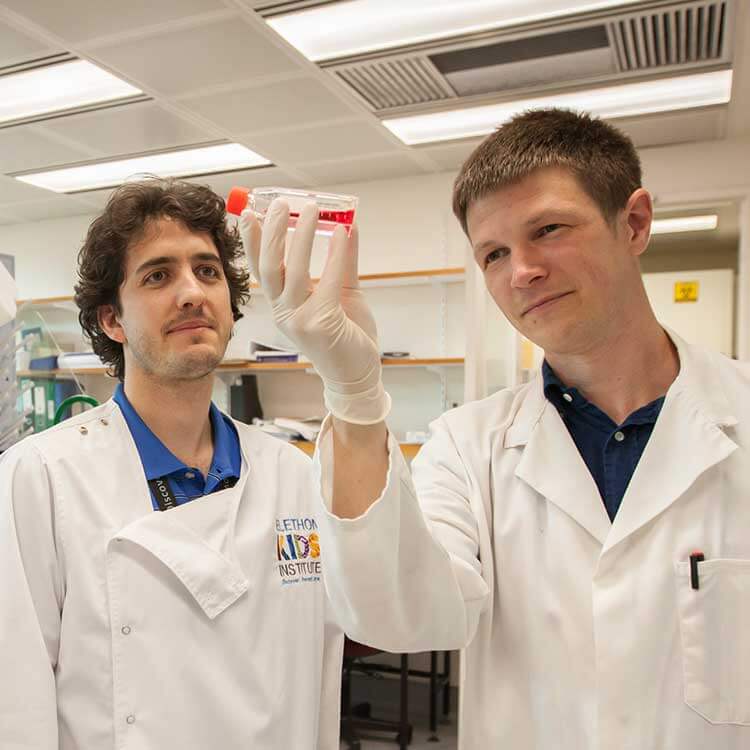
The Pregnancy and Early Life Immunology team's overall research vision is targeted towards understanding immunological development during early life.
This study aims to investigate the cellular and molecular profiles of the immune system in infants at high/low risk for Autism, as determined through clinical assessment.
We are studying immune cells from identical twins of which one suffers and one does not suffer from allergic disease to identify specific mechanisms that may play important roles in disease development.

This study is designed to identify the specific unique immune cell response that occurs in these children with recurrent disease.
Studies in Europe show exposure of pregnant women to high levels of microbial products stimulate immune function maturation in their offspring