
Search
This article explores how relational approaches to policymaking across multiple levels and sectors of society might enable transformative climate justice. It draws on a unique case study from the state of Western Australia, where climate justice is thwarted by the coloniality of climate politics and the hegemony of the fossil fuel industry.
First Nations women often experience harmful, inequitable maternity care, shaped by intergenerational trauma and culturally unsafe care. Historical forced removal of First Nations children has created enduring trauma that influences pregnancy and birthing experiences. In the Australian Capital Territory, maternity care is provided through Western biomedical systems, where increasing child protection interventions and fear of surveillance affect women's engagement with care.
Indigenous children in colonised nations experience high rates of health disparities linked to historical trauma resulting from displacement and dispossession, as well as ongoing systemic racism. Skin infections and their complications are one such health inequity, with the highest global burden described in remote-living Australian Aboriginal and/or Torres Strait Islander (hereafter respectfully referred to as Aboriginal) children. Yet despite increasing urbanisation, little is known about the skin infection burden for urban-living Aboriginal children.
The Rio Tinto Aboriginal Health Partnership marries Rio Tinto's commitment and dedication to community investment with research expertise of the Telethon Inst
Antismoking mass media campaigns have been shown to reduce smoking prevalence in the mainstream community.
In 2002, the Founding Director of The Kids for Child Health Research, Professor Fiona Stanley, approached Rio Tinto Ltd about the possibility...
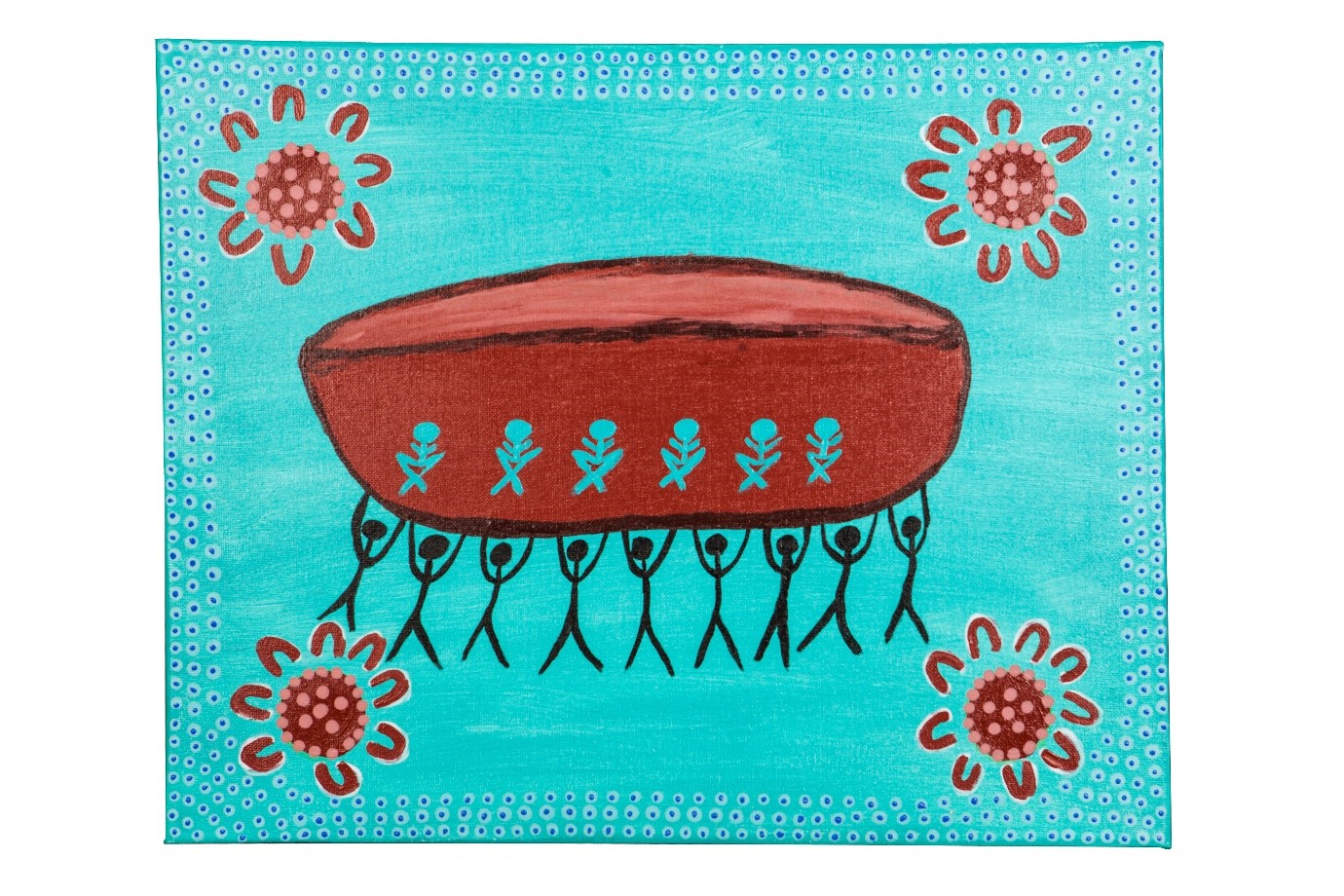
Brings the Aboriginal community(s) of Perth together with service providers & policy makers to improve outcomes for Aboriginal kids and their families.
We found that algorithms reduced the amount of missing data and improved within‑individual consistency.
The present study analyzed the concurrent and longitudinal relations among cognitive flexibility, theory of mind, and hyperactivity/inattention.
Climate change and its health impacts are increasingly recognised by the world's leading medical organisations and journals.