
Search
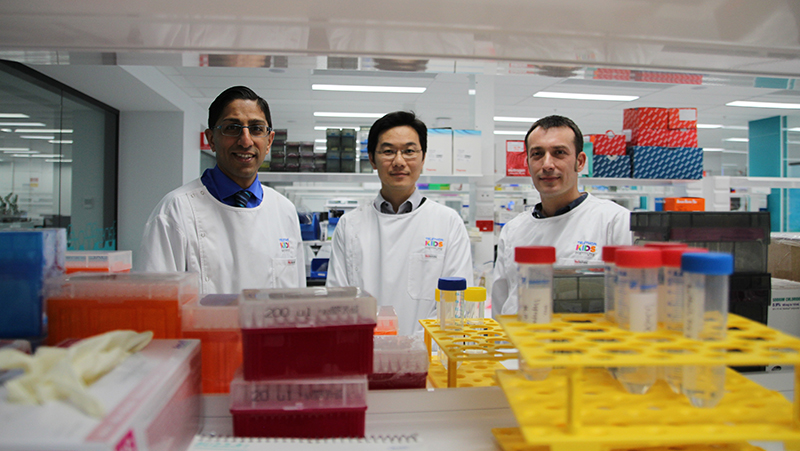
Kids born with Down syndrome are at high risk of an array of health problems – including issues with sight, hearing, heart defects, bone complications, immune disorders and learning difficulties.
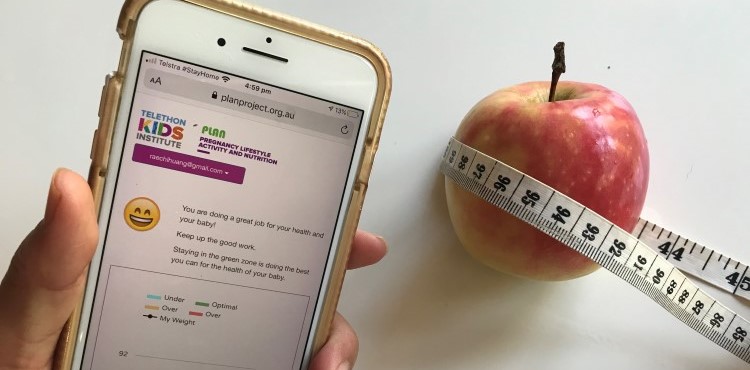
A diet and lifestyle mobile app targeting a critical window in early pregnancy is being introduced to women in the northern suburbs of Perth, hoping to assist with breaking the ‘transmission’ of obesity from one generation to the next.
A non-progressive motor disability due to damage of the developing brain, this is the most common physical disability in childhood. Affecting about one in 500 babies, it is frequently accompanied by other neurological impairments, such as intellectual or sensory.
The aim of RESP-ACT is to reduce these children’s respiratory hospital admissions and visits to Emergency Department, and to help them and their families to have as the best possible quality of life.
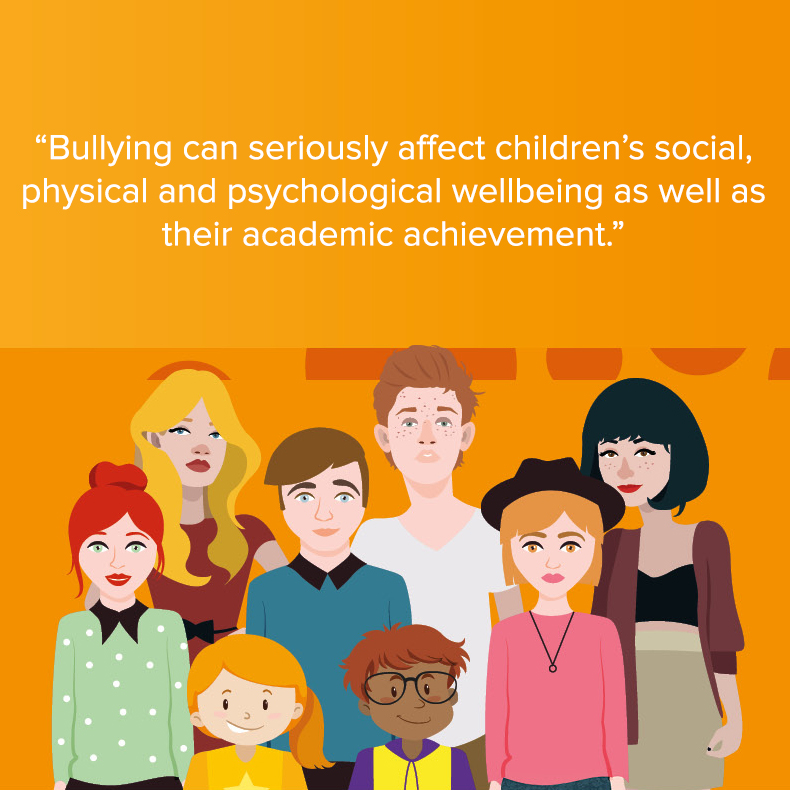
Infographics to easily learn more about bullying and what actions to take should bullying be an issue in your school or community.
Leukaemia, also spelled leukemia, is a cancer that develops in the bone marrow and results in abnormal white blood cells. It is the most common cancer in children, accounting for almost a third of all childhood & teen cancers.
In Vitro Fertilisation (IVF) is an Assisted Reproductive Technology (ART) in which an egg is fertilised by sperm outside the body.
On this Research Impact page, we list stories helping demonstrate how we collaborate with other leaders, innovators, communities, and international stakeholders to ensure excellent research results. The better our results, the better the chances of research making a real difference.
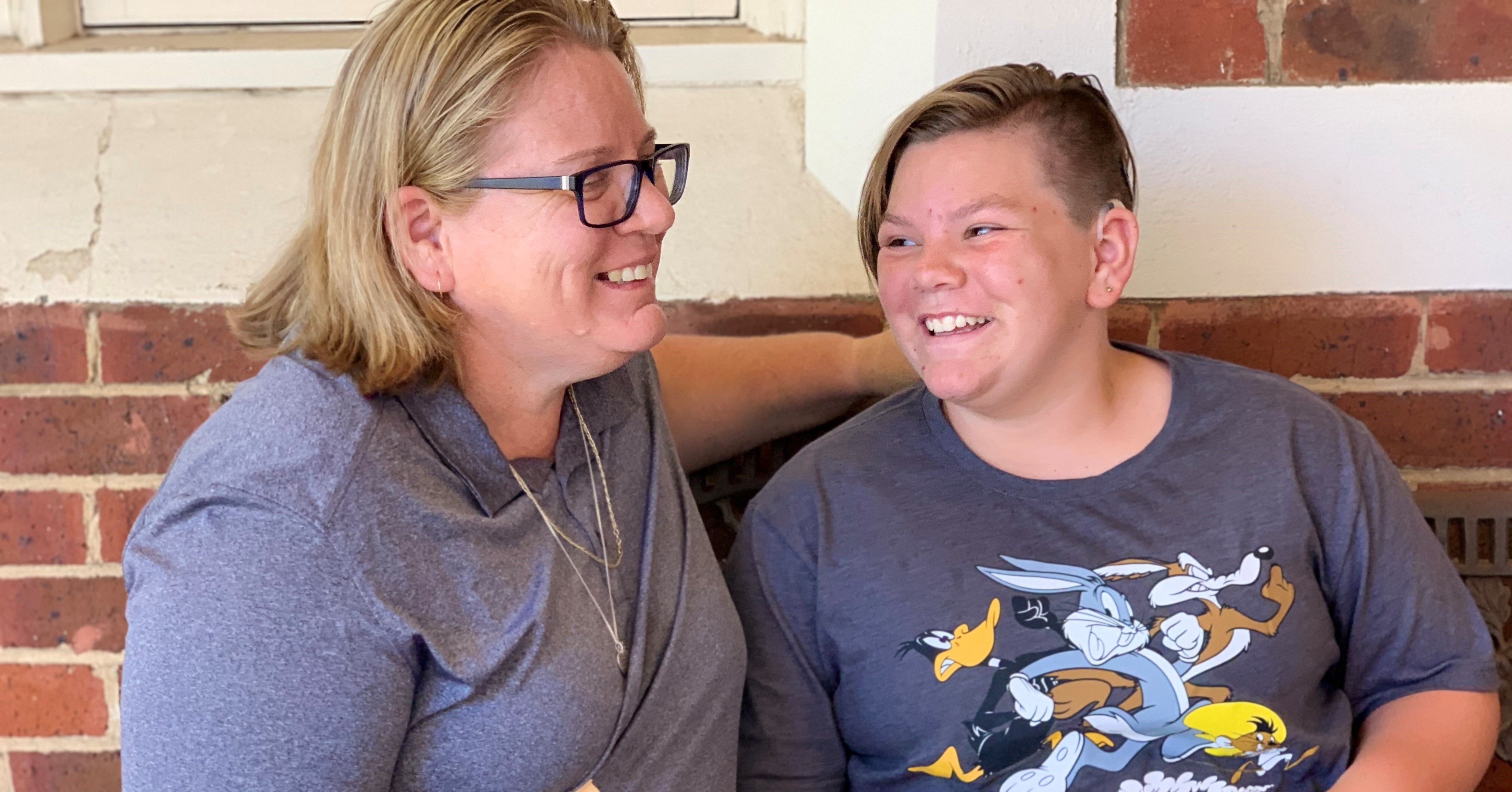
Adolescence can be challenging for all kids, but especially for those who are Deaf or hard-of-hearing. New resources developed by The Kids Research Institute Australia aim to make life a little easier.
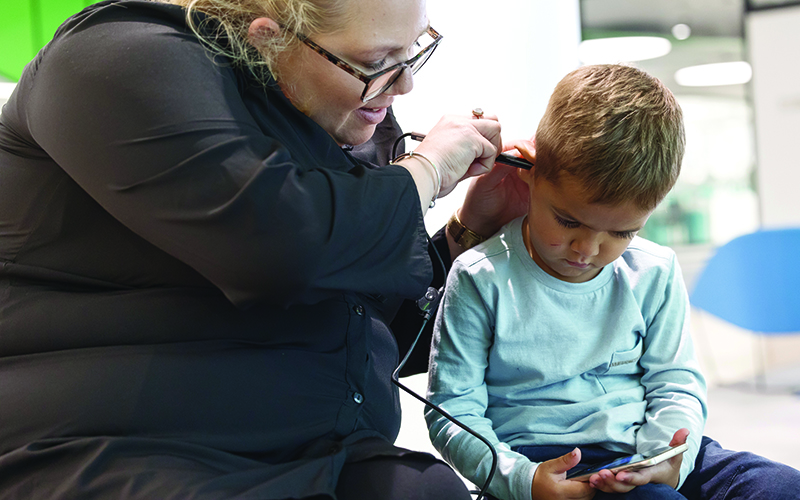
An innovative The Kids program is helping to slash waiting times so children can have their ear problems checked within days.