
Search
Benzathine benzylpenicillin is a globally indispensable medicine.
Improving our understanding of superficial Streptococcus pyogenes (Strep A) carriage and transmission necessitates robust sampling methods. Here, we compared the effect of storing swab samples in fridge (+4°C) and freezer (-20°C) conditions on the recovery of laboratory-cultured S. pyogenes.

In Perth, The Kids Research Institute Australia is spearheading global efforts to tackle this insidious bacterium and reduce its impact on kids’ health.
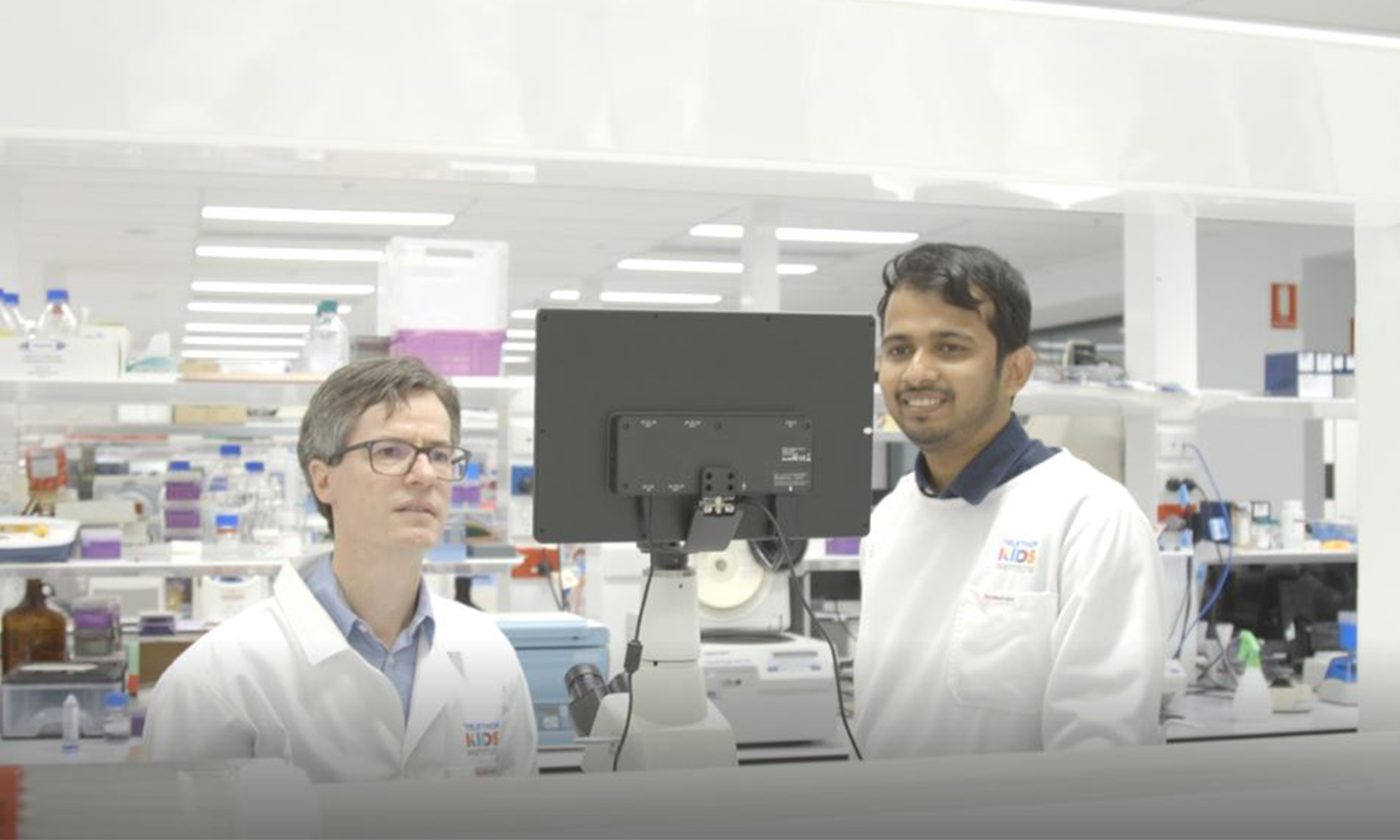
Vital research aiming to improve the treatment of potentially deadly Group A Streptococcus (Strep A) has been awarded $820,000 in the latest round of National Health and Medicine Research Council’s Ideas Grants.
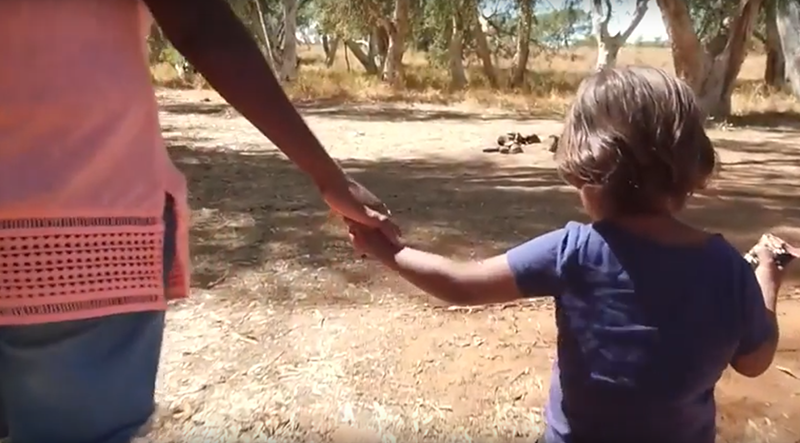
A new report predicts rheumatic heart disease (RHD) will lead to over 500 preventable deaths and cost the Australian health system $317 million by 2031 if no further action to tackle the disease is taken.

The Deborah Lehmann Research Award in Paediatric Infectious Disease Research is a funding mechanism to support the training and development of early- to mid-career researchers (EMCR) or Higher Degree by Research (HDR) students who are nationals from the Pacific Region working in or outside their hom
The World Health Organization published the preferred product characteristics for a Group A Streptococcus (Strep A) vaccine in 2018. Based on these parameters for the age of vaccination, vaccine efficacy, duration of protection from vaccine-derived immunity, and vaccination coverage, we developed a static cohort model to estimate the projected health impact of Strep A vaccination at the global, regional, and national levels and by country-income category.
Asha Rosemary Jeffrey Bowen Wyber Cannon BA MBBS DCH FRACP PhD GAICD FAHMS OAM MBChB MPH FRACGP PhD BSc(Hons) BBus PhD Head, Healthy Skin and ARF
Disease caused by Streptococcus pneumoniae is associated with considerable morbidity and mortality in children. Pneumococcal conjugate vaccines are well tolerated and effective at reducing pneumococcal disease caused by vaccine serotypes. VAXNEUVANCE (V114) is a 15-valent PCV containing 13 serotypes in Prevnar 13, plus serotypes 22F and 33F. This large phase 3 study evaluated safety and tolerability of V114 in infants.
Jonathan Carapetis AM AM MBBS FRACP FAFPHM PhD FAHMS Co-Head, Strep A Translation; Co-Founder of REACH 08 6319 1000 contact@thekids.org.au Head,