
Search
The present study aims to investigate the association between an early history of recurrent otitis media (OM) with or without ventilation tube insertion and later behavioural problems in childhood and adolescence.
Children with early-life recurrent otitis media (OM) will often endure pain, sleep disturbances, and other developmental setbacks that impact the surrounding family system. The aim of this study was to investigate the psychological well-being and family functioning of caregivers of children with early-life recurrent OM (rOM).
Shortage of ear, nose, and throat specialists in public hospitals can result in delays in the detection and management of otitis media. This study introduced a new hospital-based telehealth service, named the Ear Portal, and investigated its role in improving access to specialist care.
Australian Aboriginal and/or Torres Strait Islander children in rural/remote areas suffer high rates of persistent otitis media (OM) from early infancy. We aimed to determine the proportion of Aboriginal infants living in an urban area who have OM and investigate associated risk factors.
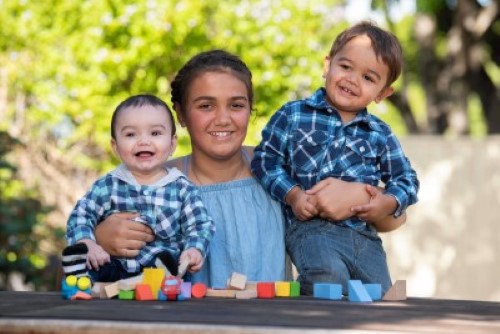
A new partnership between The Kids Research Institute Australia, Dr George Sim and St John of God Murdoch Hospital will offer essential surgery at no cost for a group of Aboriginal children suffering severe ear infections.
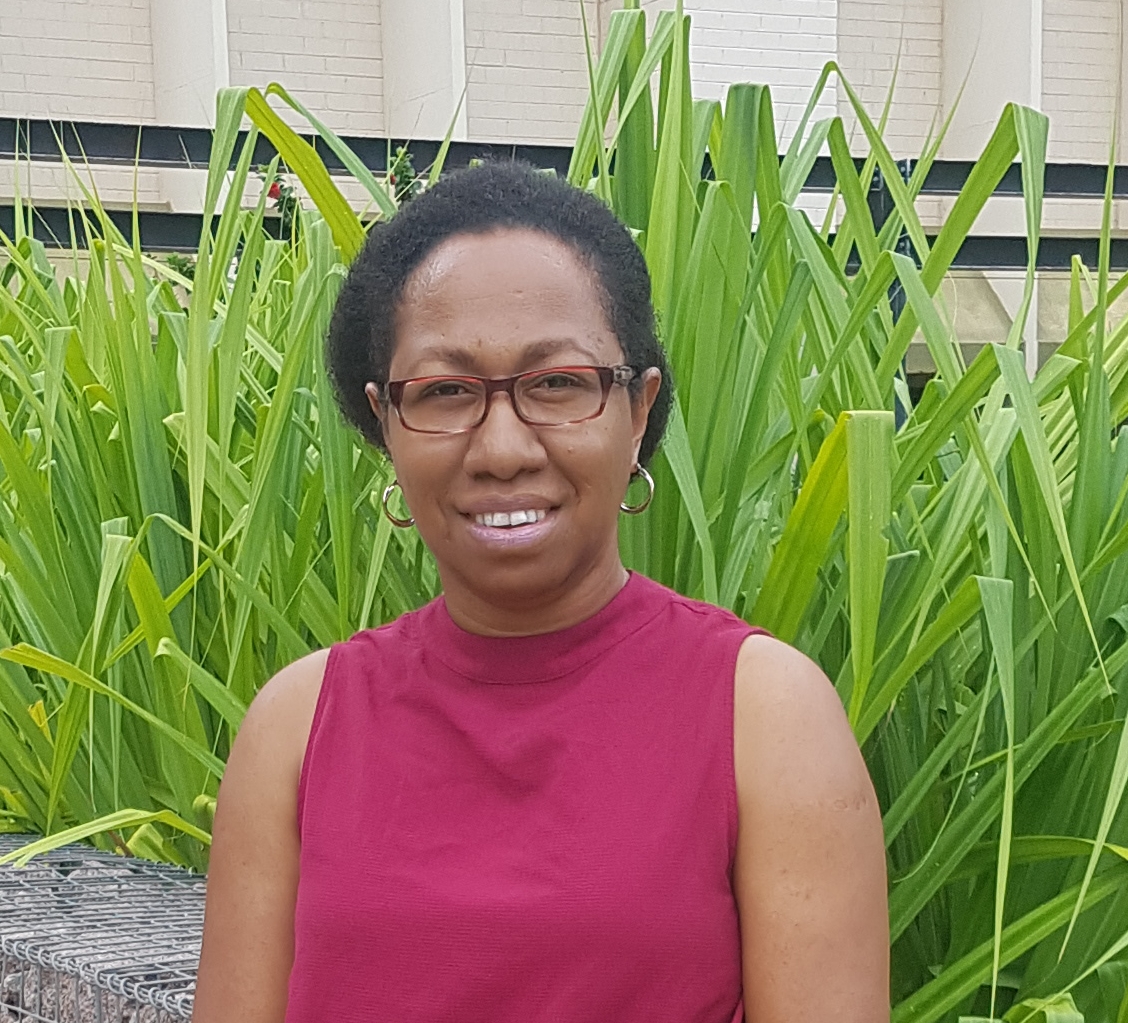
Congratulations goes to Celestine Aho, the inaugural winner of the $30,000 Deborah Lehmann Research Award.
A $6 million commitment from Wesfarmers to Telethon will fund vital research to reduce the impact of chronic ear infections and other serious diseases.
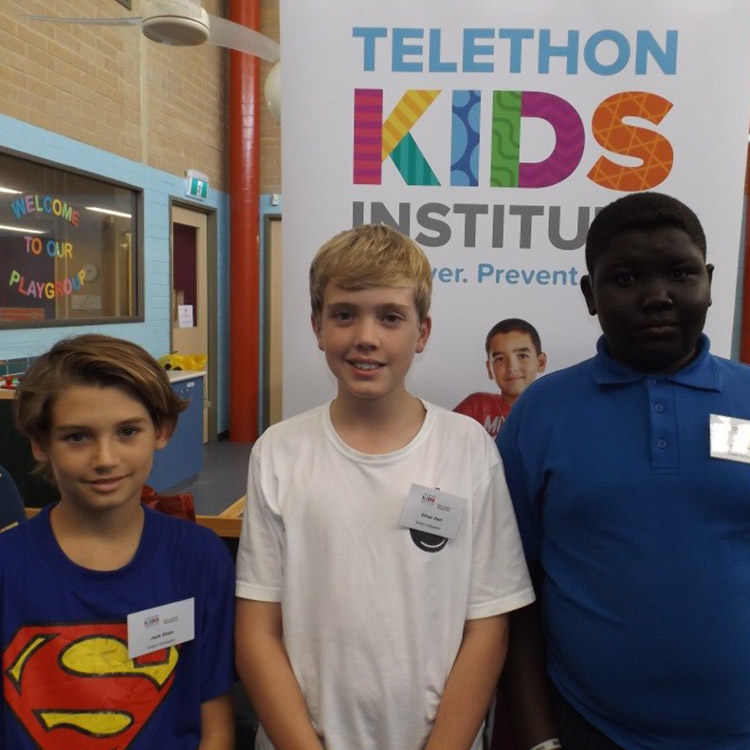
Ethan recently took part in Belong, a study led by The Kids which aims to ensure deaf and hard of hearing kids have a happy & positive school experience
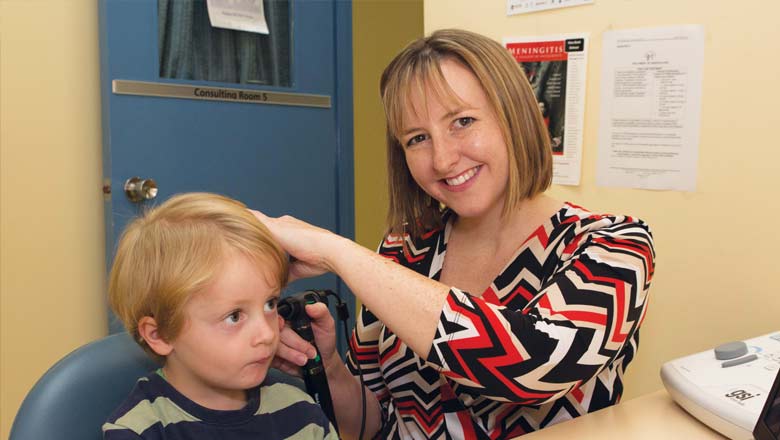
The Kids is investigating whether a cystic fibrosis medication may be the answer to ear infections, reducing the need for antibiotics and surgery.
Acknowledging the enormous efforts in ear health programs across WA, we invite stakeholders to assist us in establishing research priorities.