
Search
Perth parents are underestimating the serious consequences of the flu, with only 19 per cent of children under five years of age currently immunized against the virus ahead of the peak winter flu season.
The Kids researchers are pioneering an exciting new approach to clinical trials, which aims to fast-track the best treatments for people with rare and complex diseases.
In 2017, a steep rise in cases of meningococcal disease caused by the W strain sparked a wave of concern for parents in Western Australia.
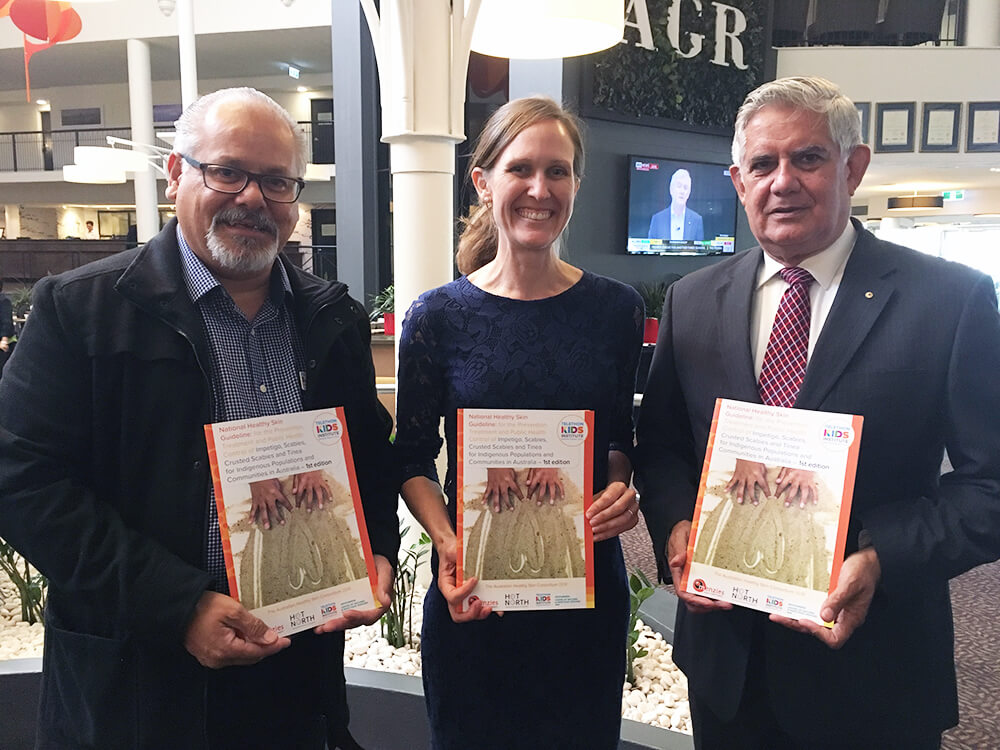
Researchers have developed the first National Healthy Skin Guideline to address record rates of skin infections in Australia’s Indigenous communities.
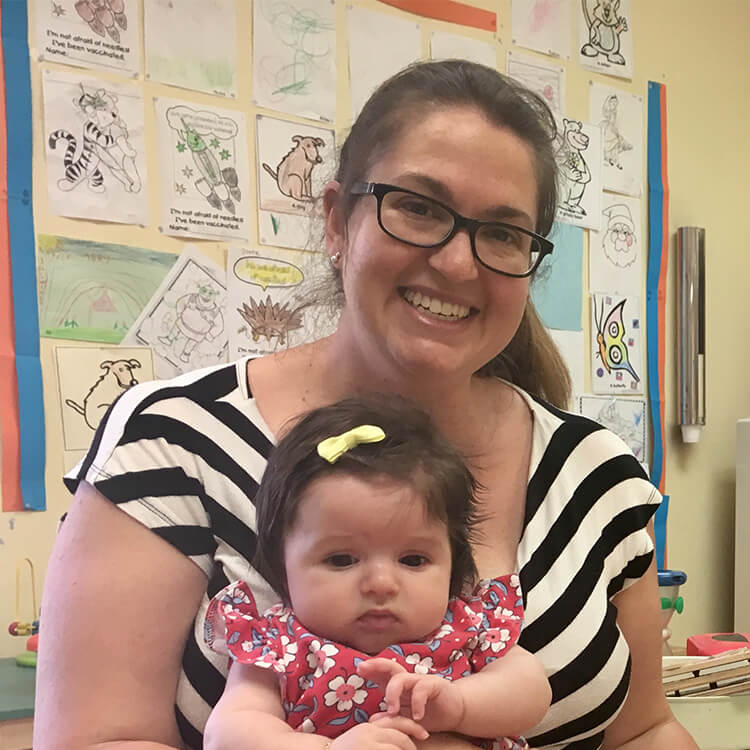
New mothers in Perth are teaming up with researchers at The Kids Research Institute Australia in a global bid to develop the first vaccine to prevent Respiratory Syncytial Virus (RSV) disease.
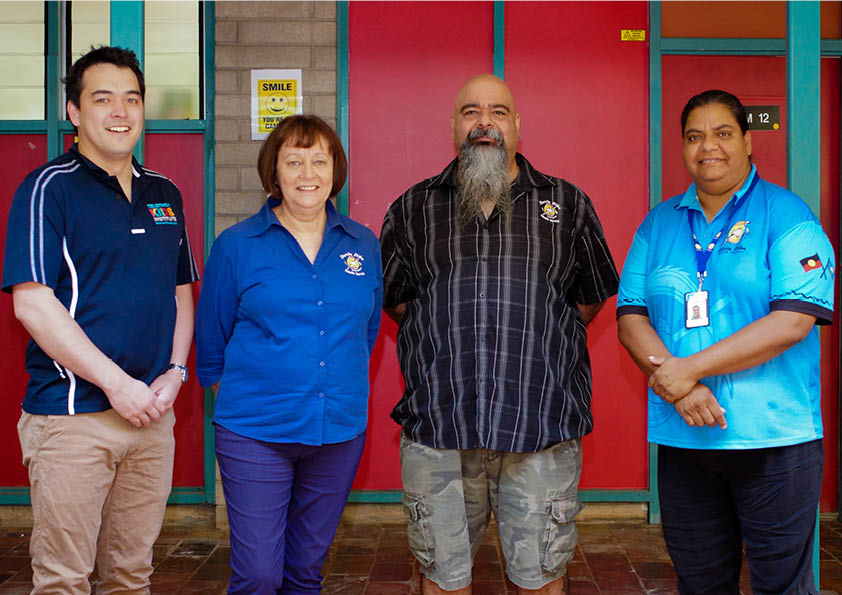
The Kids Research Institute Australia and Menzies School of Health Research have joined forces with Danila Dilba Health Service to look at improving treatment for RHD.
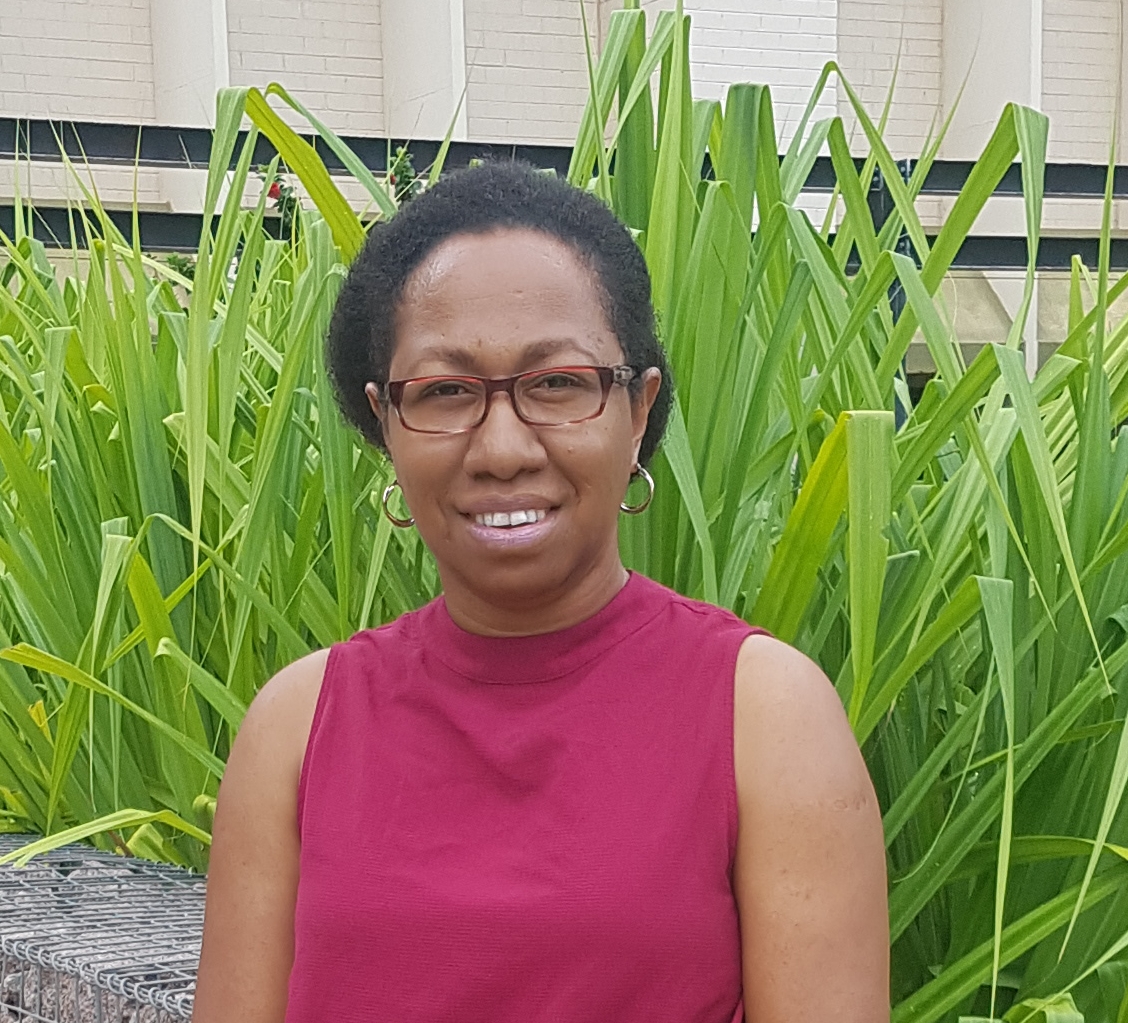
Congratulations goes to Celestine Aho, the inaugural winner of the $30,000 Deborah Lehmann Research Award.
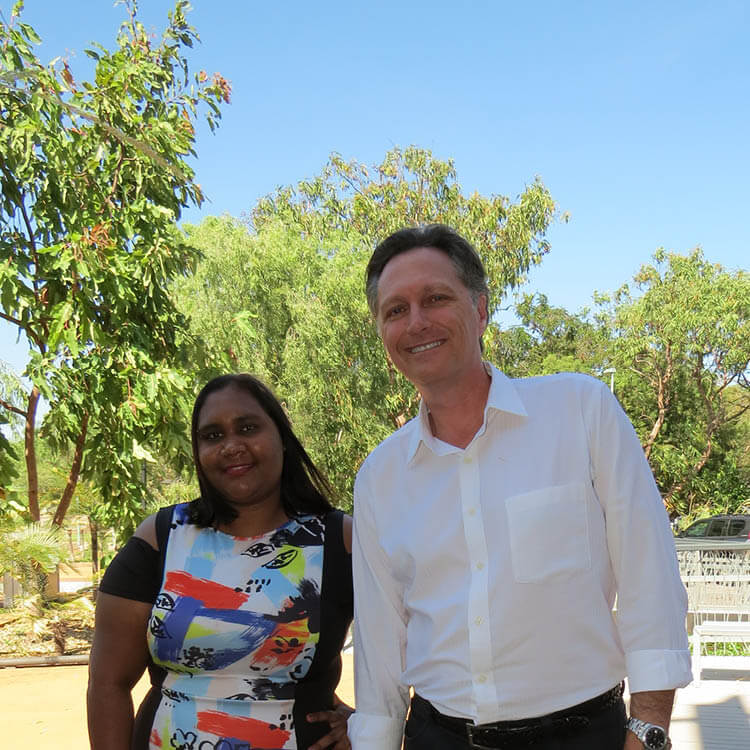
The Kids Research Institute Australia & Menzies School of Health Research will lead an international project to develop a diagnostic tool for acute rheumatic fever.

A new research project aims to demonstrate how influenza vaccination in children could be a highly cost-effective health care intervention in Australia.
The Kids Research Institute Australia researchers have confirmed that skin infections in many Aboriginal children across northern Western Australia are going unrecognised.