
Search
The construct of empowerment is associated with beneficial outcomes in numerous populations with well-being across multiple domains. Within families, empowerment has been found to be related to both parent and child well-being. As such, empowerment appears to be a promising concept to support parents of young (< 18 years) trans and gender diverse children and adolescents; however, what empowerment means for parents of trans children and adolescents is not known.
Trans individuals face elevated health risks and socio-environmental challenges, influencing their engagement in health-protective behaviors (e.g. exercise and nutrition). Despite these challenges, there is a significant gap in understanding the specific eating and exercise experiences of Australian trans adults, including barriers to healthy behaviors and healthcare experiences. This study aims to address this gap by exploring these experiences, informing targeted interventions and healthcare practices to improve health outcomes.
LGBTIQA + people experience intimate partner violence (IPV) at higher rates than non-LGBTIQA + people but under-utilize professional support services, and the reasons for this are poorly understood. This study examined IPV experiences, recognition of IPV, service utilization, and support needs among a self-selected sample of 523 LGBTIQA + adults in Western Australia.
Eating disorders (EDs) are increasingly recognised among neurodivergent and transgender and gender diverse (TGD) individuals, yet most assessment and treatment models remain grounded in cisnormative and neuronormative assumptions and frameworks. Sensory processing, spanning interoception and exteroception, has been proposed as a potential factor that may help explain observed associations between neurodivergent traits, gender incongruence, and EDs.
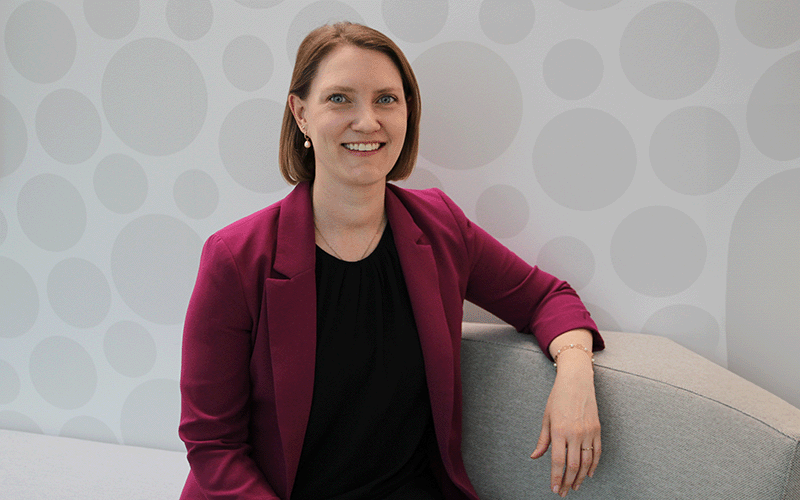
A remarkable Institute leader will join a cohort of 25 STEM-qualified women to take part in the prestigious 2024 Women in Leadership Development (WILD) program.

Youth mental health researcher Penelope Strauss has been named an AMP Tomorrow Maker – the first researcher from The Kids Research Institute Australia to win one of the annual AMP Foundation grants.
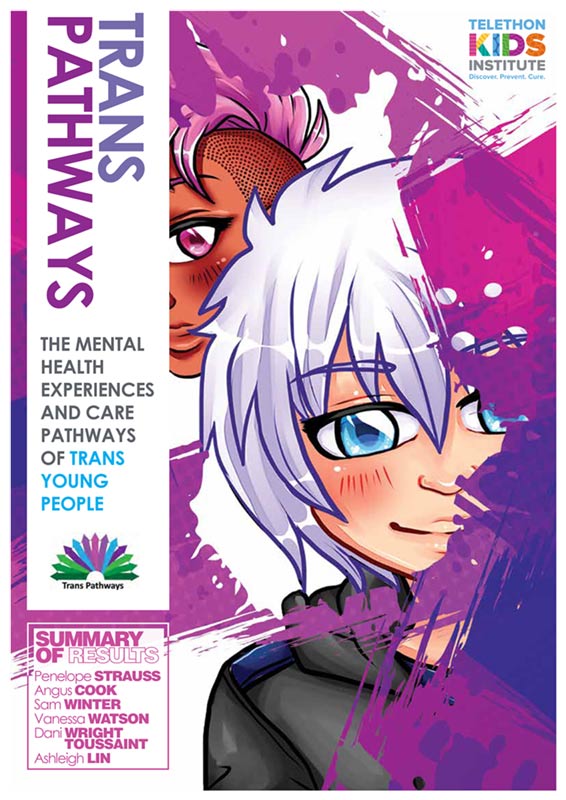
Trans Pathways is the largest ever survey conducted into the mental health of trans young people in Australia.

We have launched a national survey to investigate how we can better support young people who don't identify as the gender they were assigned at birth.
We want to better understand the relationship between parents/carers and their children who identify as trans or gender diverse with the aim of improving the well-being of the whole family.
To determine whether children who have child maltreatment allegation or substantiation have a higher rate of general hospital admissions and injury related admi