
Search
Jonathan Lea-Ann Tom Carapetis AM Kirkham Snelling AM MBBS FRACP FAFPHM PhD FAHMS PhD BMBS DTMH GDipClinEpid PhD FRACP Co-Head, Strep A Translation;
Studies linking early life exposure to air pollution and subsequent impaired lung health have focused on chronic, low-level exposures in urban settings. We aimed to determine whether in utero exposure to an acute, high-intensity air pollution episode impaired lung function 7-years later.
Whether vaccination during pregnancy could reduce the burden of respiratory syncytial virus (RSV)-associated lower respiratory tract illness in newborns and infants is uncertain.
Pregnancy and early infancy are increased risk periods for severe adverse effects of respiratory infections. Aboriginal and/or Torres Strait Islander (respectfully referred to as First Nations) women and children in Australia bear a disproportionately higher burden of respiratory diseases compared to non-Indigenous women and infants. Influenza vaccines and whooping cough (pertussis) vaccines are recommended and free in every Australian pregnancy to combat these infections.
Respiratory syncytial virus (RSV) causes annual epidemics of infections affecting the whole population. In vitro, it has been shown to infect and persist in human dendritic cells (DCs) for prolonged periods. Initially persistence is associated with low levels of replication before the virus becomes dormant. Reactivation of viral replication can be triggered many months later.
Respiratory syncytial virus (RSV) causes serious illness in children. The Ad26.RSV.preF vaccine candidate was immunogenic with acceptable safety in a phase 1/2a study of RSV-seropositive children. Here, we assessed its safety and immunogenicity in RSV-seronegative children.
We compared the epidemiology, severity and management of hospitalized respiratory syncytial virus (n = 305) and human metapneumovirus (n = 39) bronchiolitis in a setting with high respiratory virus testing (95% of admissions tested). Respiratory syncytial virus-positive infants were younger and tended to require more hydration support and longer hospital stays compared to human metapneumovirus-positive infants. Respiratory support requirements were similar between groups despite significant age differences.
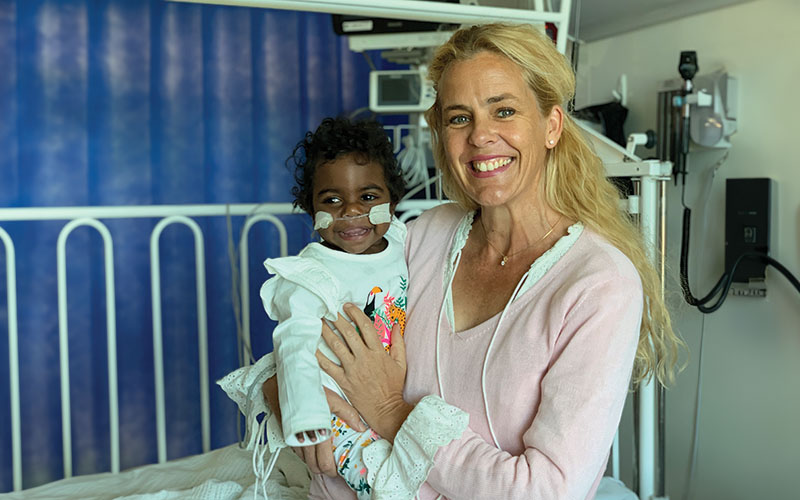
Culturally secure intervention to facilitate medical follow up for Aboriginal children, after being hospitalised with chest infections, have proven to improve long-term lung health outcomes.
The incidence of respiratory syncytial virus (RSV) in adults is inadequately defined and the impact of SARS-CoV-2-related non-pharmaceutical interventions (NPIs) is underexplored. Using laboratory data, we described the detection rate of RSV in adults ≥16 years in Western Australia (WA) between 2017 and 2023.
Respiratory syncytial virus (RSV) is the most common cause of acute lower respiratory infections in children worldwide. The highest incidence of severe disease is in the first 6 months of life, with infants born preterm at greatest risk for severe RSV infections.