
Search
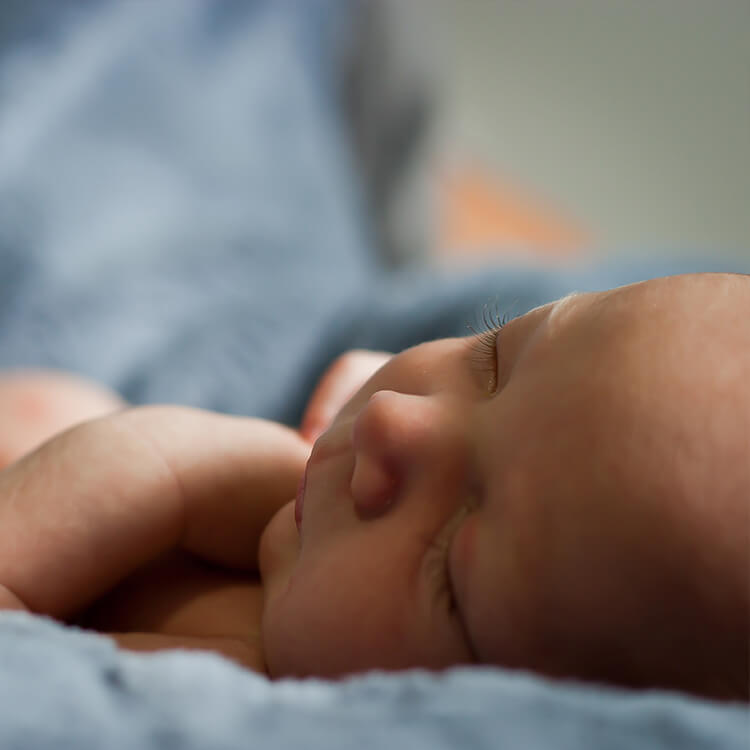
Perth researchers who were involved in an international study which examined two different techniques used to intubate newborns and young babies during surgery expect the findings to lead to a change in global practice.

A The Kids Research Institute Australia ear health researcher has received a prestigious national fellowship to support her search for new therapies to improve the lives of kids who suffer repeat middle ear infections.
Inguinal hernia surgery is one of the most common electively performed surgeries in infants. The common nature of inguinal hernia combined with the high-risk population involving a predominance of preterm infants makes this a particular area of interest for those concerned with their perioperative care. Despite a large volume of literature in the area of infant inguinal hernia surgery, there remains much debate amongst anesthetists, surgeons and neonatologists regarding the optimal perioperative management of these patients.
Difficult facemask ventilation is perilous in children whose tracheas are difficult to intubate. We hypothesised that certain physical characteristics and anaesthetic factors are associated with difficult mask ventilation in paediatric patients who also had difficult tracheal intubation.
Perioperative pain management impacts patient morbidity, quality of life, and hospitalization cost. In children, it impacts not only the child, but the whole family. Adjuncts for improved perioperative analgesia continue to be sought to minimize adverse side effects associated with opioids and for those in whom regional or neuraxial anesthesia is not suitable.
COVID-19 forced healthcare systems to make unprecedented changes in clinical care processes. The authors hypothesized that the COVID-19 pandemic adversely impacted timely access to care, perioperative processes, and clinical outcomes for pediatric patients undergoing primary appendectomy.
Preoperative anxiety is common in children. It can contribute to negative experiences with anesthetic induction and may cause adverse physiological and psychological effects. Virtual reality (VR) and electronic tablet devices are 2 audiovisual distraction tools that may help to reduce anxiety and enhance the preoperative experience. This study aimed to compare the use of an immersive 3-dimensional (3D) VR to 2-dimensional (2D) video on anxiety in children during induction of general anesthesia.
At two hospitals in Western Australia, we conducted a prospective, open-label, randomised, controlled trial of 240 patients undergoing tonsillectomy to investigate the effect of chewing a confectionery jelly snake on postoperative nausea and vomiting. The results were published in Anaesthesia Critical Care & Pain Medicine. Recruitment for this study was completed uneventfully between July 2018 and August 2019.