
Search

Co-Head, Foundations of Lung Disease

Head, Strong Beginnings Research, Co-head Foundations of Lung Disease

A lung function study carried out by Dr Shannon Simpson provided the most comprehensive follow-up of very pre-term children of any study so far carried out on the lung health of this vulnerable group.
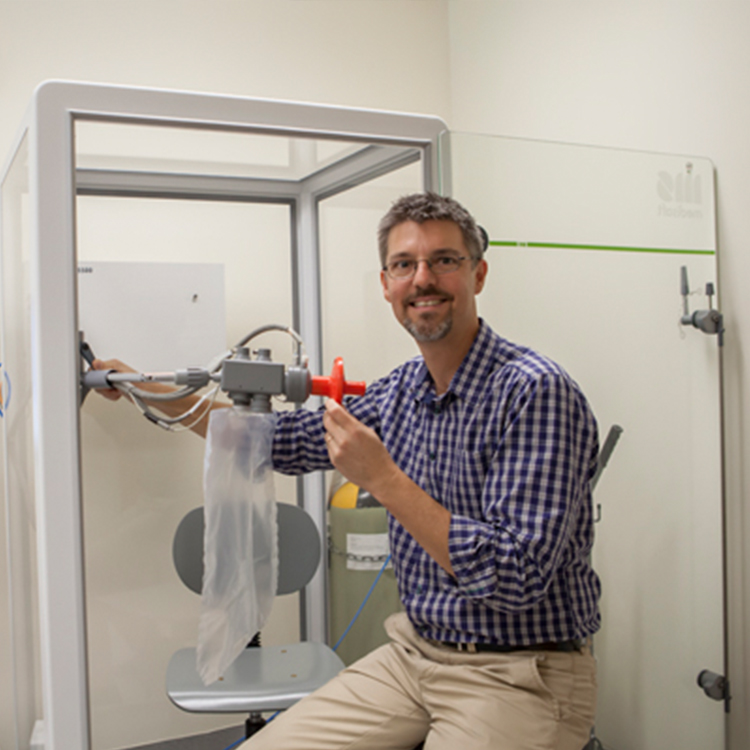
A global research network has taken another step towards standardising the way doctors interpret commonly used lung function tests.
A groundbreaking WA trial, published in The Lancet, has determined that a laryngeal mask for babies is preferred over endotracheal tube during minor surgeries
Dissociative symptoms are linked to experiences of trauma, often originating in childhood and adolescence. Dissociative disorders are associated with a high burden of illness and a poor quality of life. Despite evidence suggesting that early intervention can improve outcomes, little research exists on the treatment of dissociative disorders in childhood and adolescence.
Chronic, low-intensity air pollution exposure has been consistently associated with reduced lung function throughout childhood. However, there is limited research regarding the implications of acute, high-intensity air pollution exposure. We aimed to determine whether there were any associations between early life exposure to such an episode and lung growth trajectories.
Neuromuscular disorders can lead to nocturnal hypoventilation. Accurate diagnosis of hypoventilation is imperative to guide treatment decisions. This study determined interobserver agreement for a number of definitions of nocturnal hypoventilation in children and adolescents with neuromuscular disorders.
Improvements in neonatal critical care have resulted in more people than ever reaching adulthood after being born prematurely. At the same time, it is becoming clearer that preterm birth can increase the risk of respiratory disease throughout a person’s lifetime. Awareness that a patient was born preterm can enable early specialist assessment and intervention when there is any concern about lung health.
The long-term cardiopulmonary outcomes following preterm birth during the surfactant era remain unclear. Respiratory symptoms, particularly exertional symptoms, are common in preterm children. Therefore, cardiopulmonary exercise testing may provide insights into the pathophysiology driving exertional respiratory symptoms in those born preterm. This review aims to outline the current knowledge of cardiopulmonary exercise testing in the assessment of children born preterm in the surfactant era.