
Search
Varicella (chickenpox) is an infectious disease caused by the varicella zoster virus affecting children, adolescents, and adults. Varicella symptoms are usually self-limiting; however, different complications with widespread and systemic manifestations can occur. This systematic literature review aims to explore and quantify varicella-associated complication rates.
The global invasive meningococcal disease (IMD) landscape changed considerably during the COVID-19 pandemic, as evidenced by decreased incidence rates due to COVID-19 mitigation measures, such as limited social contact, physical distancing, mask wearing, and hand washing. Vaccination rates were also lower during the pandemic relative to pre-pandemic levels.
Neisseria meningitidis is commensal of the human pharynx and occasionally invades the host, causing the life-threatening illness invasive meningococcal disease. The meningococcus is a highly diverse and adaptable organism thanks to natural competence, a propensity for recombination, and a highly repetitive genome.
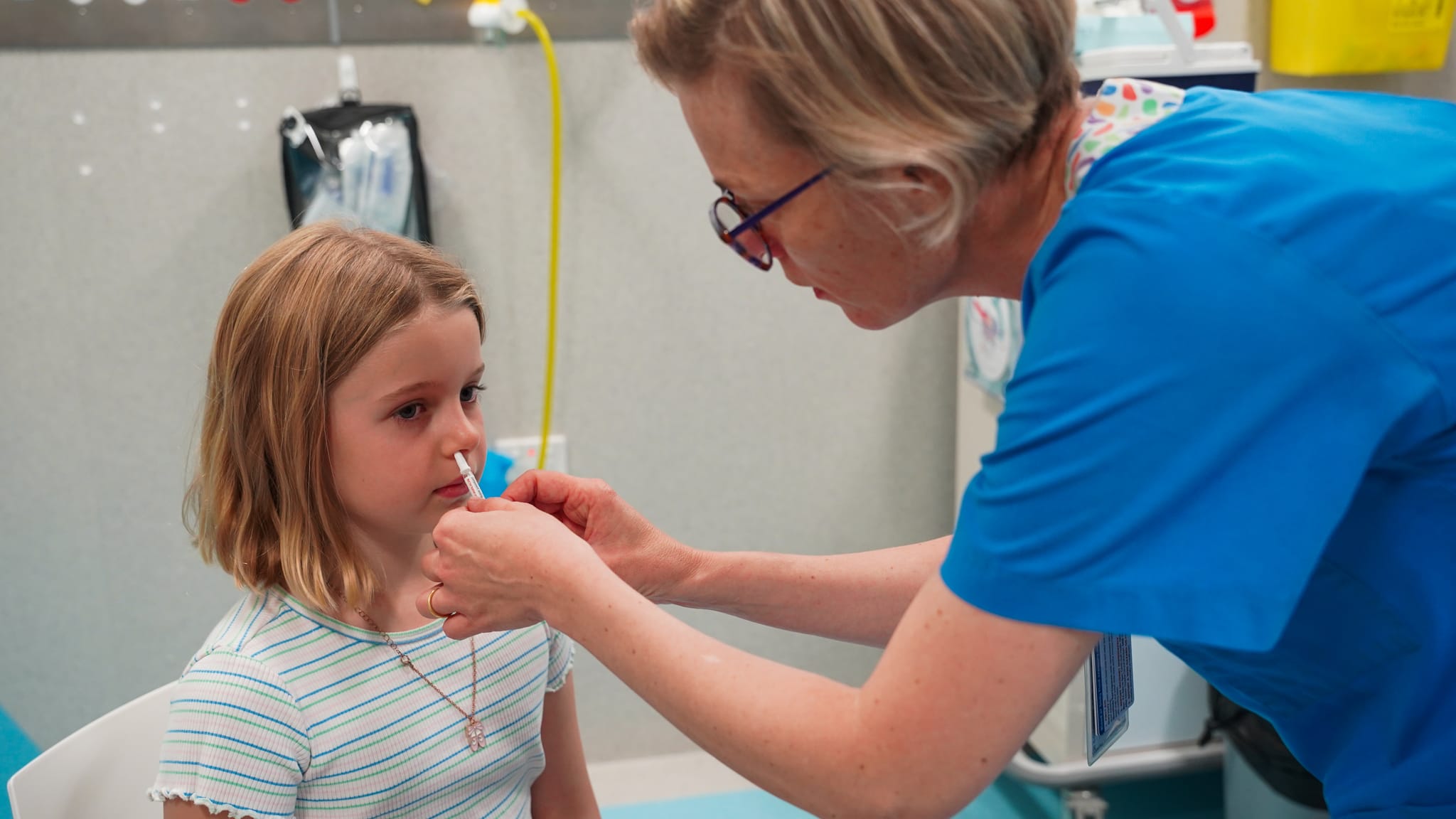
Influenza (commonly known as the flu) is caused by a highly contagious virus spread mainly through coughing and sneezing. An annual flu vaccination is the most effective way to prevent flu outbreaks.

Whooping cough (pertussis) is a highly contagious respiratory infection which causes a severe cough and can be particularly dangerous to babies under a year old. Vaccination is the best way to reduce the risk of whooping cough.
Vaccination is the injection of an inactivated bacteria or virus into the body. This simulated infection allows an individual's immune system to develop an adaptive immunity for protection against that type of illness. When a sufficiently large percentage of a population has been vaccinated, this results in herd immunity.
Controlling the syphilis epidemic in Australia is a public health priority. Regular intramuscular (IM) injections of benzathine penicillin G (BPG) are the current standard of care for late latent syphilis in Australia; however, repeated IM BPG injections are painful, and treatment completion rates are low. Early-phase clinical trials have demonstrated the tolerability and safety of high-dose subcutaneous infusions of BPG (SCIP), where the total treatment dose can be delivered at a single visit. Here we describe the experiences and preferences of attendees of Western Australian sexual health clinics in the Perth metropolitan region who have syphilis and were treated with SCIP.
Japan recently experienced a record surge in streptococcal toxic shock syndrome. Our environmental surveillance study reveals that Streptococcus pyogenes persists seasonally, peaking in autumn and winter in rural Japan. The dominant emm1 M1UK sublineage and csrS mutations heighten virulence, highlighting the urgent need for targeted surveillance and interventions.
Monitoring the number of COVID-19 patients in hospital beds was a critical component of Australia's real-time surveillance strategy for the disease. From 2021 to 2023, we produced short-term forecasts of bed occupancy to support public health decision-making.
The overarching goal of the Australian coronavirus disease 2019 (COVID-19) vaccination program has been to protect all people in Australia from the harm caused by the novel coronavirus SARS-CoV-2. This review reflects on the role of the Australian Technical Advisory Group on Immunisation (ATAGI) in the national COVID-19 vaccination program, in terms of the initial programmatic and clinical recommendations in the evolving context of evidence relating to the disease and vaccines, epidemiology, and the program rollout.