
Search
Family Day Care (FDC) is an essential service supporting Australian families requiring convenient, versatile, and quality education and care for their children. FDC educators’ mental wellbeing (MWB), often overlooked, is vital to ensure optimal education and care. This study aimed to gauge Australian FDC educators’ MWB and identify factors positively or negatively affecting MWB.
Understand how bronchopulmonary dysplasia (BPD) and antenatal and postnatal factors influence diaphragmatic functional effectiveness in very preterm infants.
Traditional birth attendance (TBA) remains common in Sub-Saharan Africa (SSA), impacting maternal and neonatal mortality rates. This study aimed at producing high-resolution geospatial estimates and identifying predictors of TBA-assisted childbirth in SSA.
Adolescents living with type 1 diabetes (T1D) are faced with unique challenges to nutrition management. The current Perth Children's Hospital (PCH) T1D management model includes individualised education at diagnosis and annual reviews. Currently, no group education is provided to develop self-management skills for healthy meal preparation. Teaching Kitchens offers a skills-based program in food literacy and nutrition. This feasibility study explored if a Teaching Kitchens program at PCH engaged adolescents aged between 13 and 17 years, living with T1D.
The pivotal phase 3 EPITOPE trial, a 12-month, double-blind, placebo-controlled study of epicutaneous immunotherapy with the VIASKIN patch containing 250 μg of peanut protein (VP250), previously reported significant treatment response versus placebo in peanut-allergic toddlers aged 1 through 3 years.
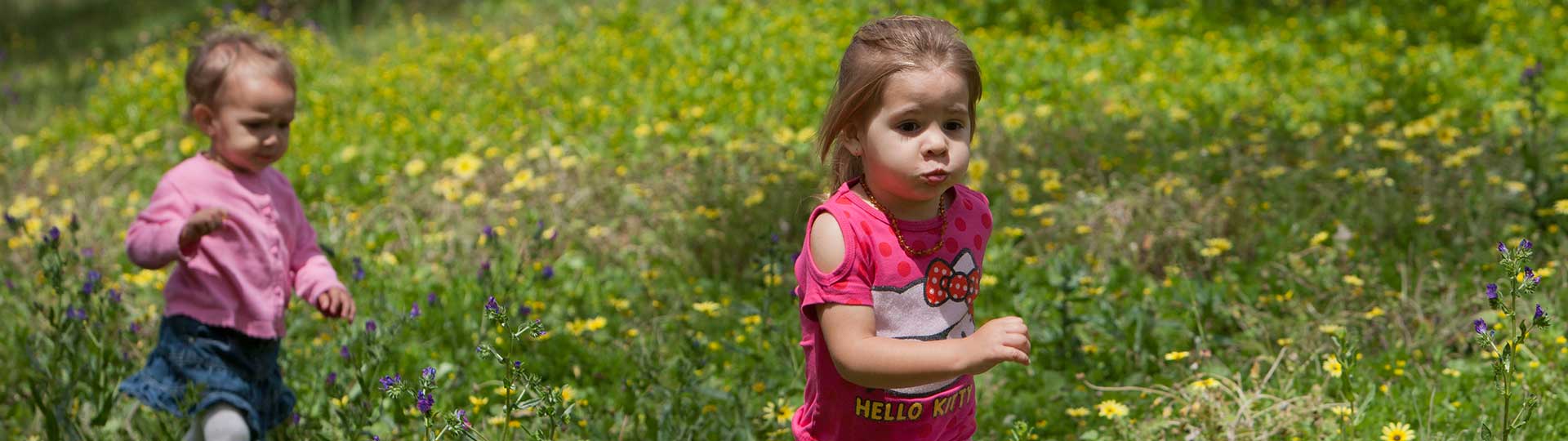
The following maps provide a visual insight into how the number and rate of Indigenous suicides varies across different regions of Australia.
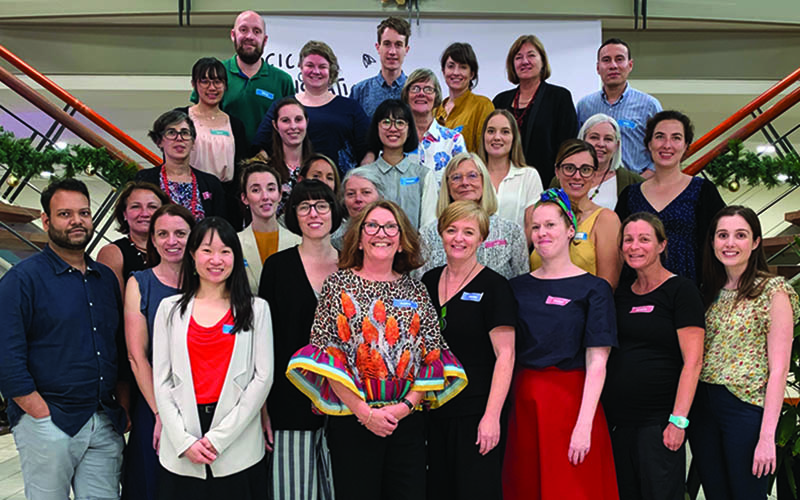
The FASD Research Australia Centre of Research Excellence (CRE) has substantially built the evidence base around FASD and had a significant impact on advocacy, policy and practice.
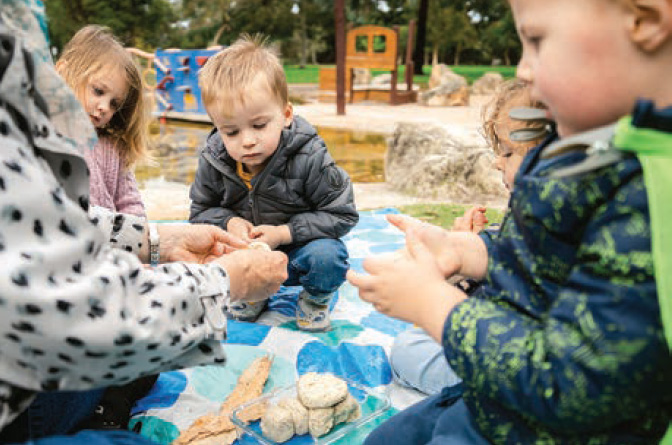
The ORIGINS Project is a decade-long longitudinal study of more than 18,000 individuals including mothers, partners and children, as part of a collaboration between The Kids Research Institute Australia and Joondalup Health Campus.
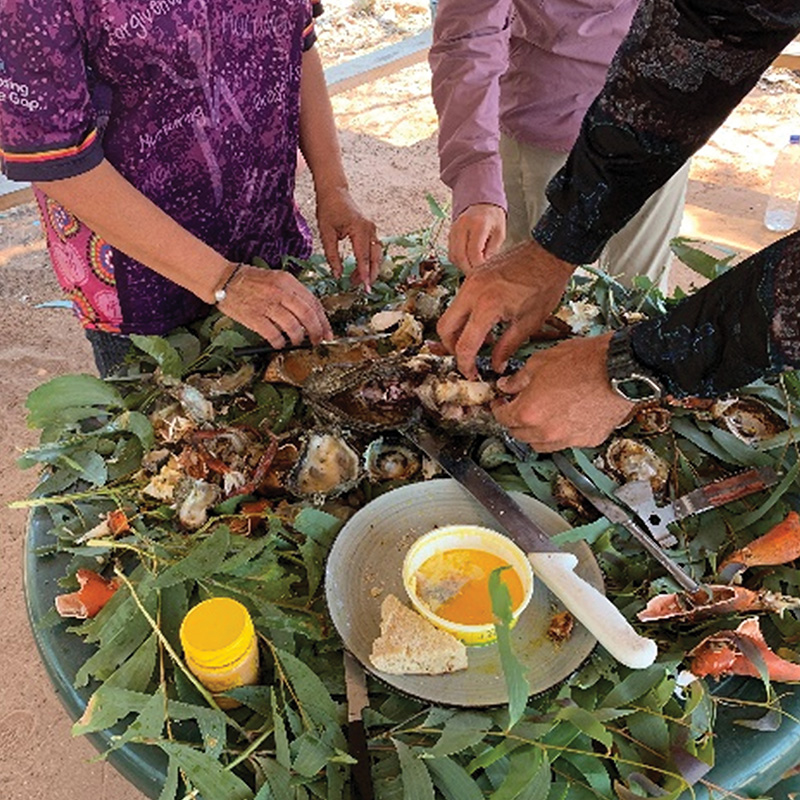
Researchers are collaborating with Community Elders to find out how bush tucker and traditional food can improve the health of Aboriginal children.
The Kids Research Institute Australia Government Relations Advisor Fiona Roche said the BEACHES project was a great example of how the Institute is increasingly working in partnership with Government