
Search
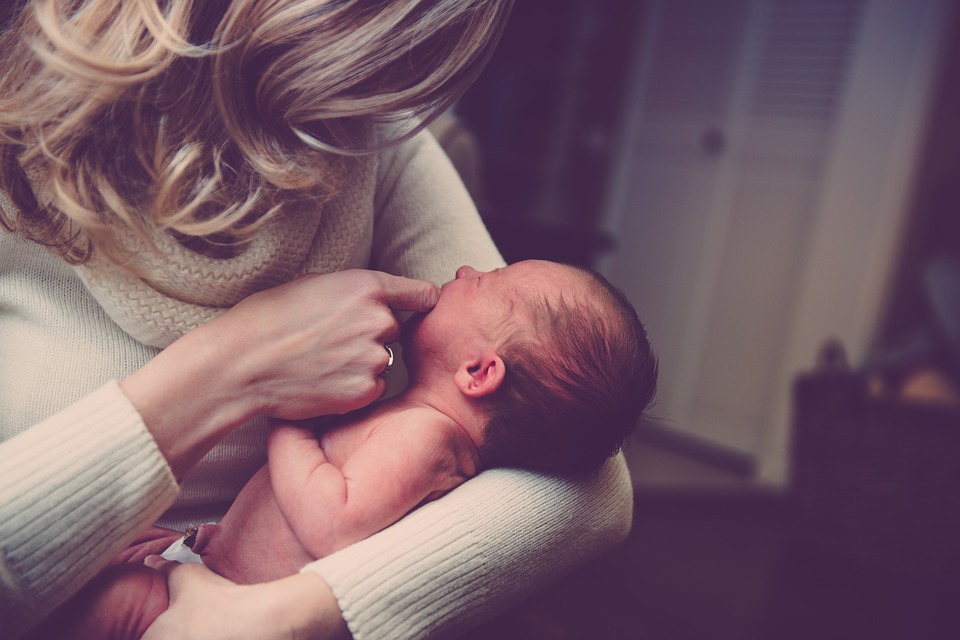
World-first immunisations providing protection against deadly respiratory syncytial virus (RSV) could be just months away thanks to global research efforts spanning multiple decades.
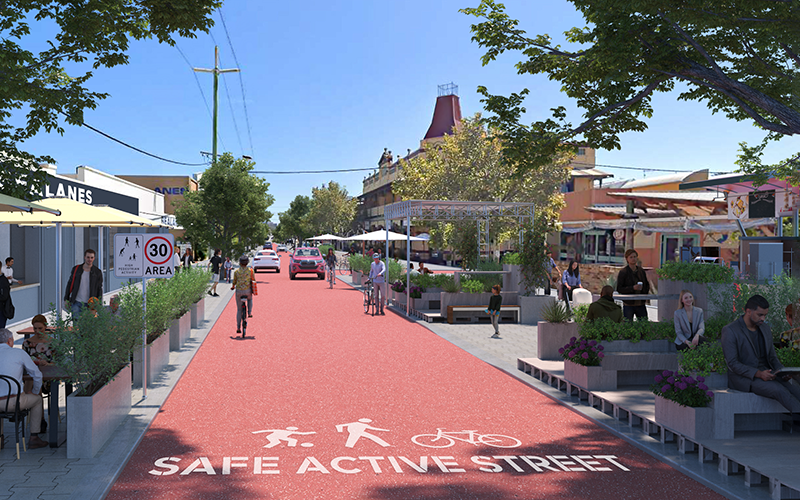
Researchers have identified 10 Australian shopping strips where the removal of on-street parking would transform the area’s liveability.
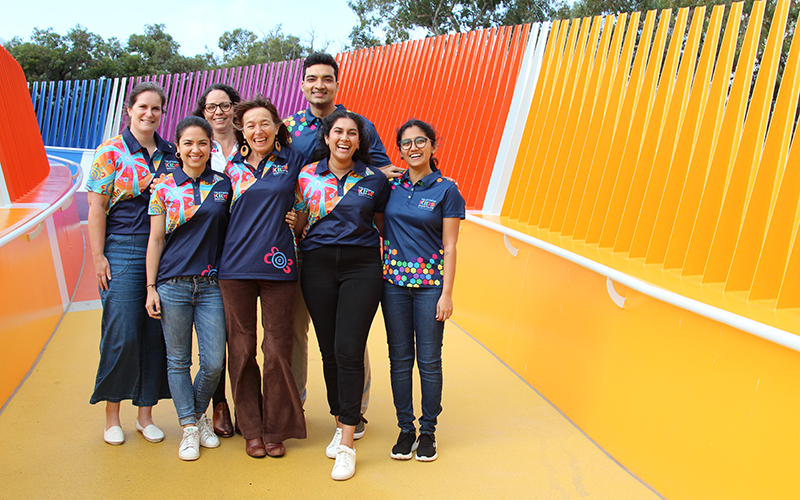
In celebration of World Breastfeeding Week (1 – 7 August), we sat down with Professor Valerie Verhasselt to ask her some of the top questions about breastfeeding and immunology.

Sophisticated modelling produced is predicting a steady decline in COVID-19 cases in WA throughout August, but hospitalisation rates will remain relatively high.
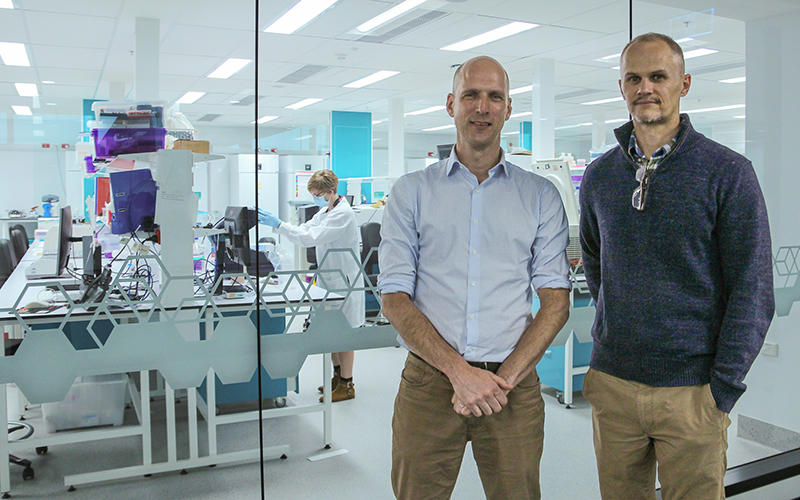
Researchers at The Kids Research Institute Australia and UWA will use a $500,000 CUREator grant to progress the development of the first cancer immunotherapy in a tablet.
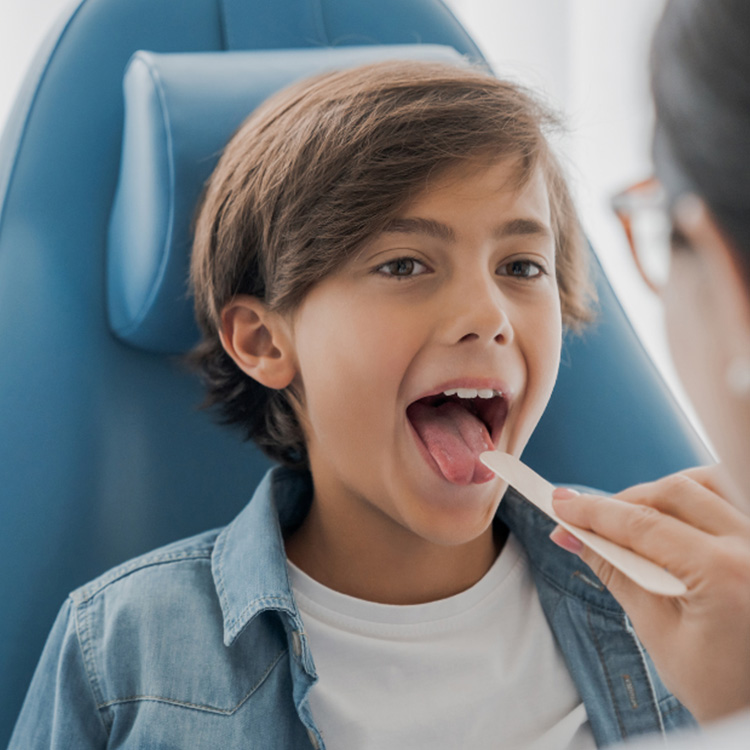
More than 1000 children are being sought for a study to learn more about sore throats and how best to prevent them.
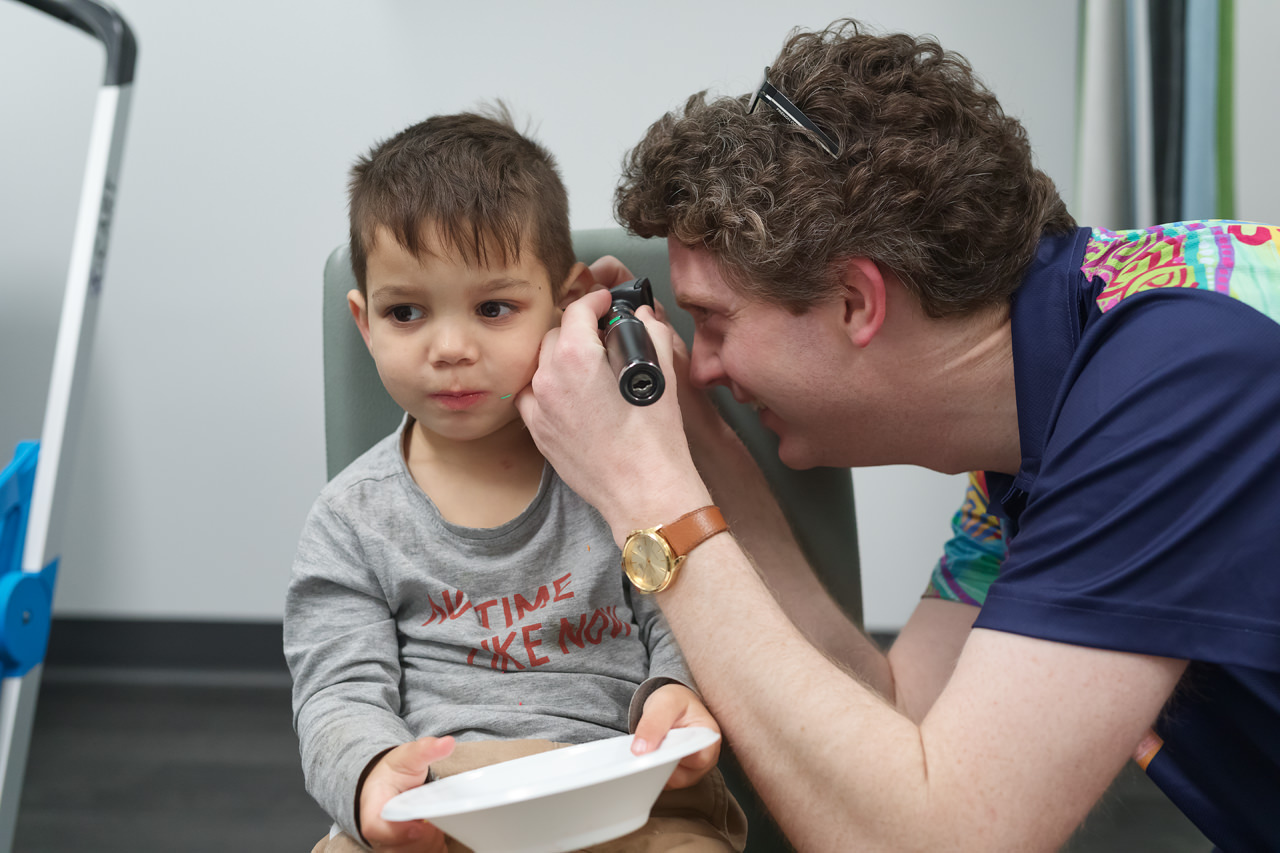
Paediatric audiologist Associate Professor Chris Brennan-Jones has been announced as a finalist for the country’s leading national science awards – the Australian Museum Eureka Prizes.
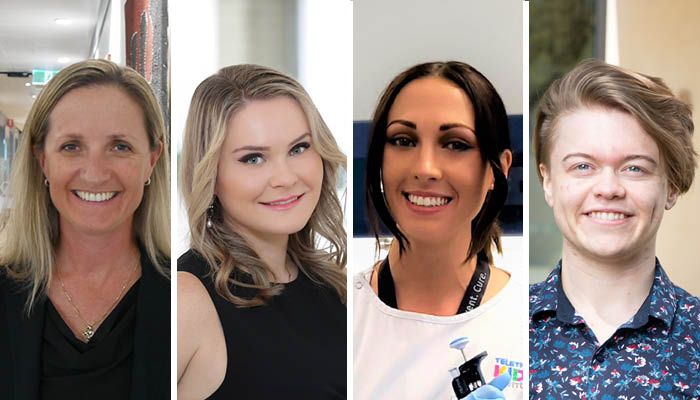
Four The Kids Research Institute Australia researchers from a diverse range of fields have been named as finalists for the prestigious 2022 Premier’s Science Awards.
The Kids Research Institute Australia researchers will share in $2.3 million awarded by the Western Australian Department of Health Innovation Seed Fund.
Seven important The Kids Research Institute Australia research projects have received support from the Future Health Research and Innovation Fund through the WA Near-Miss Awards (WANMA).