
Search
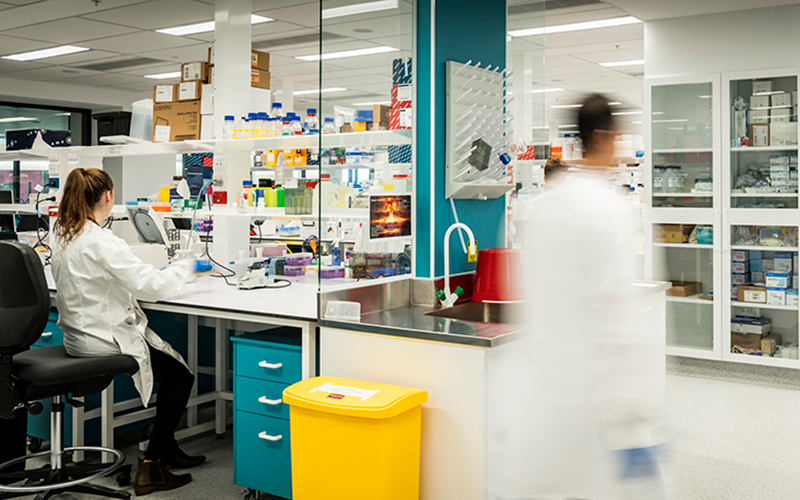
The Kids Research Institute Australia researchers will share in $2.3 million awarded by the Western Australian Department of Health Innovation Seed Fund.
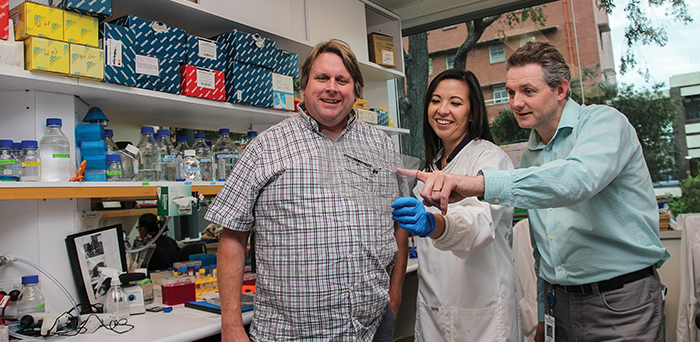
In the field of cancer research, lobbying efforts by the The Kids Cancer Centre have contributed to major initiatives including Australia’s first personalised medicine program for children with high-risk cancer, and a mission to boost survival rates in brain cancer patients.
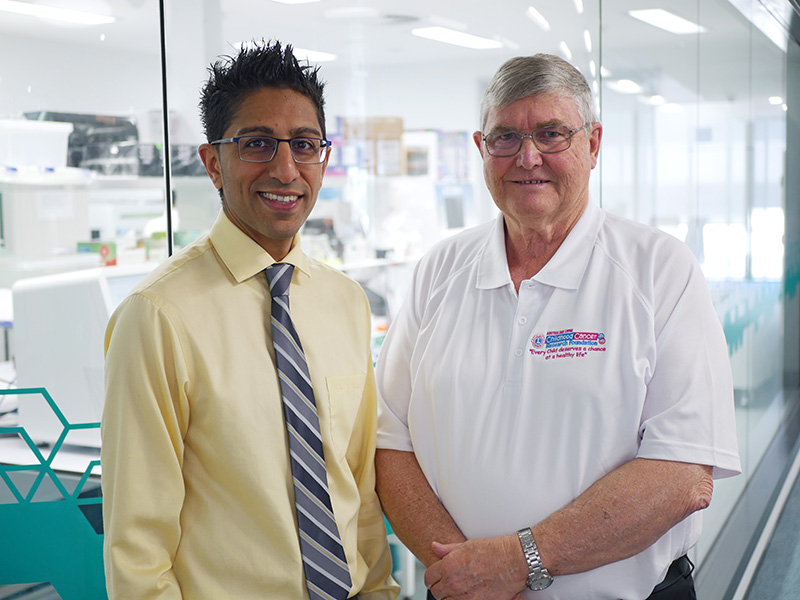
Australian Lions Childhood Cancer Research Foundation has announced it will provide $1.05 million of funding to The Kids Research Institute Australia.
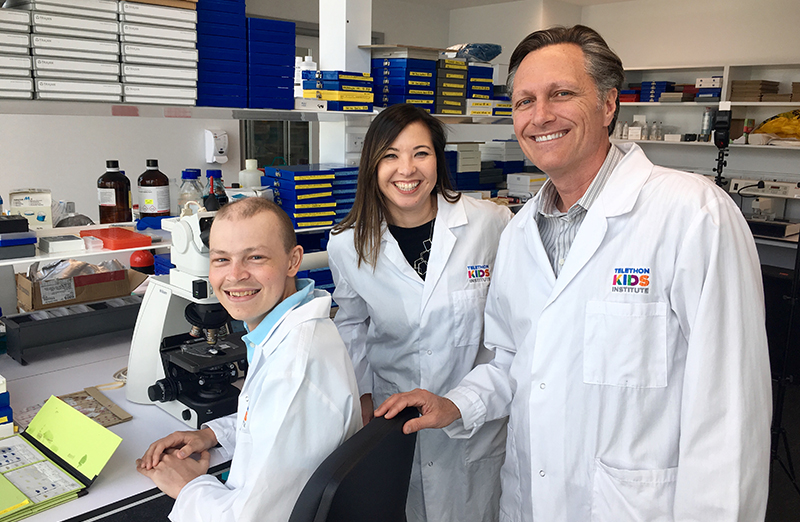
The Kids Research Institute Australia and Perth Children’s Hospital will lead an international clinical trial of a novel drug combination they hope will increase cure rates for one of the most aggressive forms of childhood brain cancer.
We strive for a future where no child will die from brain cancer because we have developed new therapies that will cure their disease.

Determining the associations of sun exposure in early life on the development of non-communicable diseases.
ow Protein Kinase C zeta (PKCζ) levels in cord blood T cells (CBTC) have been shown to correlate with the development of allergic sensitization in childhood. However, little is known about the mechanisms responsible. We have examined the relationship between the expression of different levels of PKCζ in CBTC and their development into mature T cell cytokine producers that relate to allergy or anti‐allergy promoting cells.
Epidemiological studies have demonstrated that survivors of acute burn trauma are at long-term increased risk of developing a range of morbidities. The mechanisms underlying this increased risk remain unknown. This study aimed to determine whether burn injury leads to sustained immune dysfunction that may underpin long-term morbidity. Plasma and peripheral blood mononuclear cells were collected from 36 pediatric burn survivors >3 years after a non-severe burn injury (<10% total body surface area) and from age/sex-matched non-injured controls.
The ORIGINS Project (“ORIGINS”) is a longitudinal, population-level birth cohort with data and biosample collections that aim to facilitate research to reduce non-communicable diseases and encourage ‘a healthy start to life’. ORIGINS has gathered millions of datapoints and over 400,000 biosamples over 15 timepoints, antenatally through to five years of age, from mothers, non-birthing partners and the child, across four health and wellness domains.
The delay in community transmission of the new Coronavirus in WA, together with the strict, social distancing measures that have been adopted, provide us with an opportunity to observe the level of immunity development to the virus within the community and assess the impact of COVID-19 pandemic on health and well-