
Search
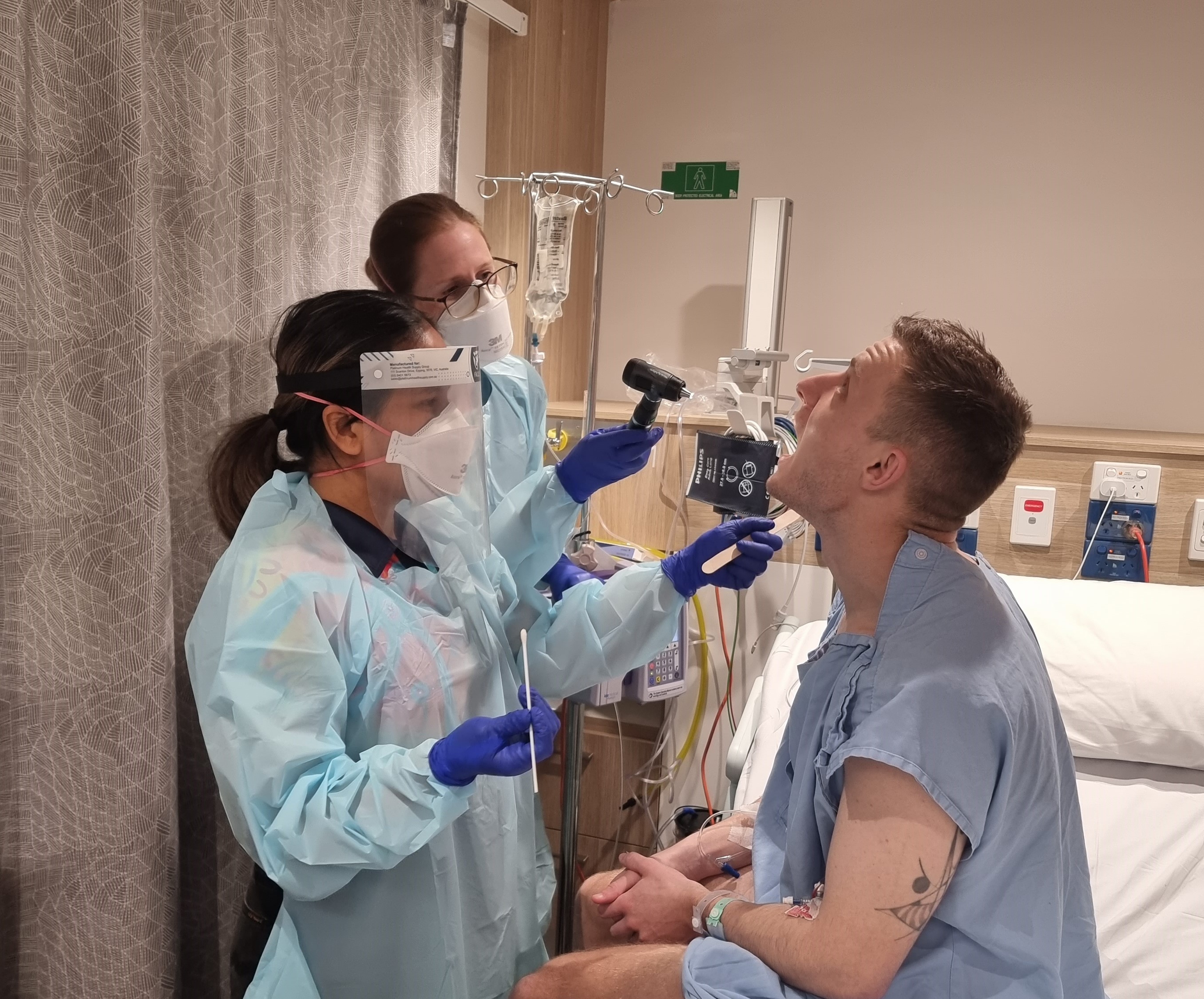
A unique study purposely giving participants Streptococcus pyogenes (Strep A) to learn how much penicillin it takes to prevent infection has found the amount needed is much lower than previously thought – a discovery that will transform thinking on treatment for people living with rheumatic heart disease (RHD).
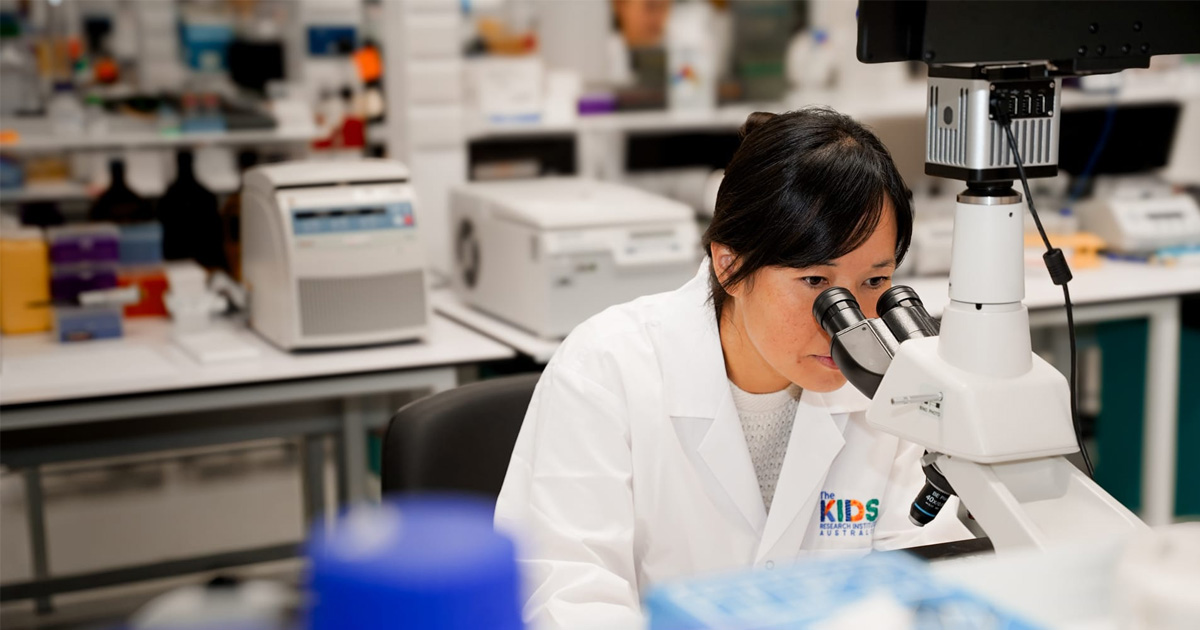
A new study underway at the Wesfarmers Centre of Vaccines and Infectious Diseases, based at The Kids Research Institute Australia, is deliberately infecting tonsils with Strep A in the laboratory to test a range of potential vaccine candidates.

National research led by the Wesfarmers Centre of Vaccines and Infectious Diseases, based at The Kids Research Institute Australia, has secured more than $3.4 million to assess the epidemiology of respiratory syncytial virus (RSV) throughout the country and optimise Australia’s immunisation strategy.
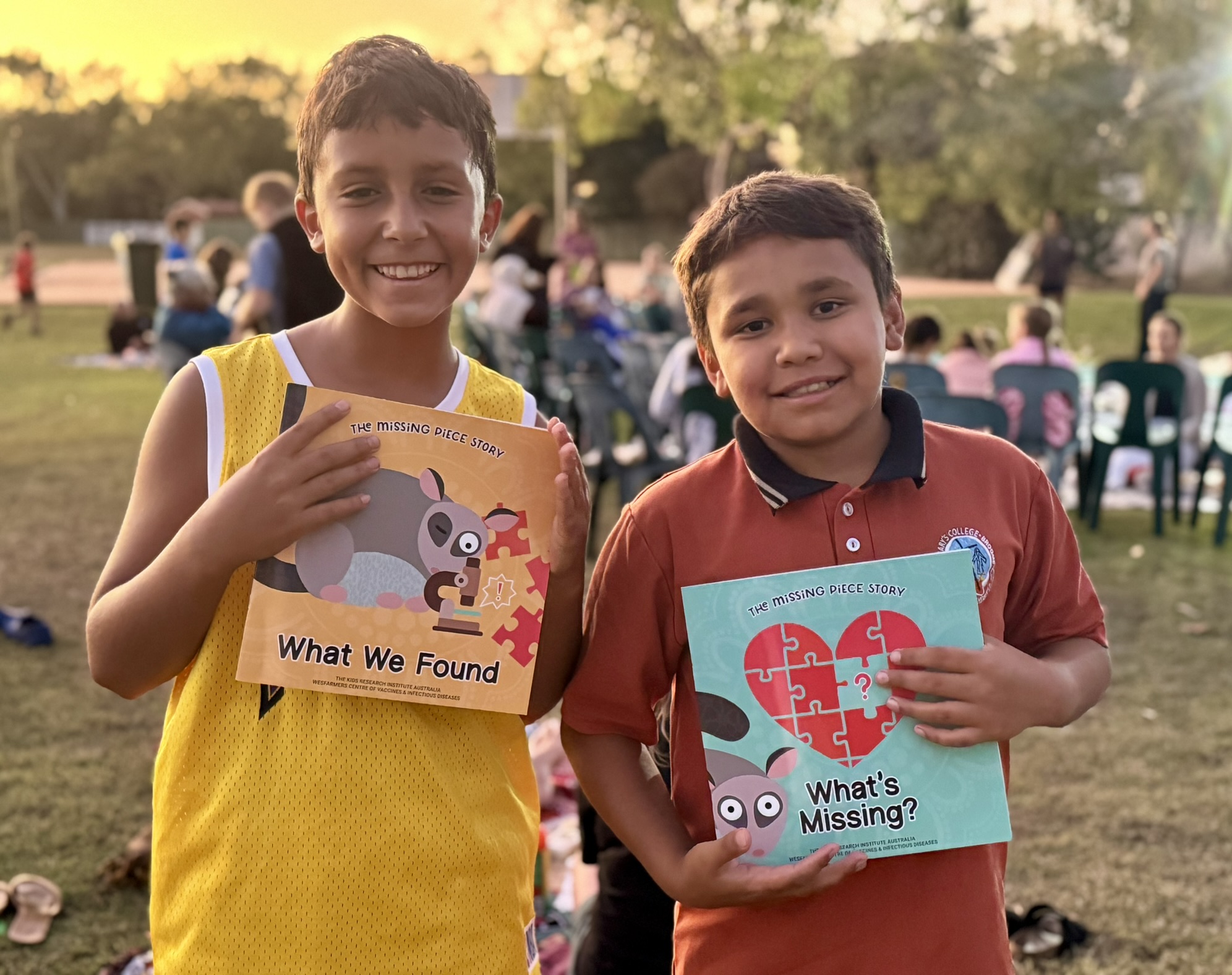
Wesfarmers Centre of Vaccines and Infectious Diseases researchers Dr Janessa Pickering and Dr August Mikucki travelled to Broome last week for the official launch of the long-awaited Missing Piece story books.
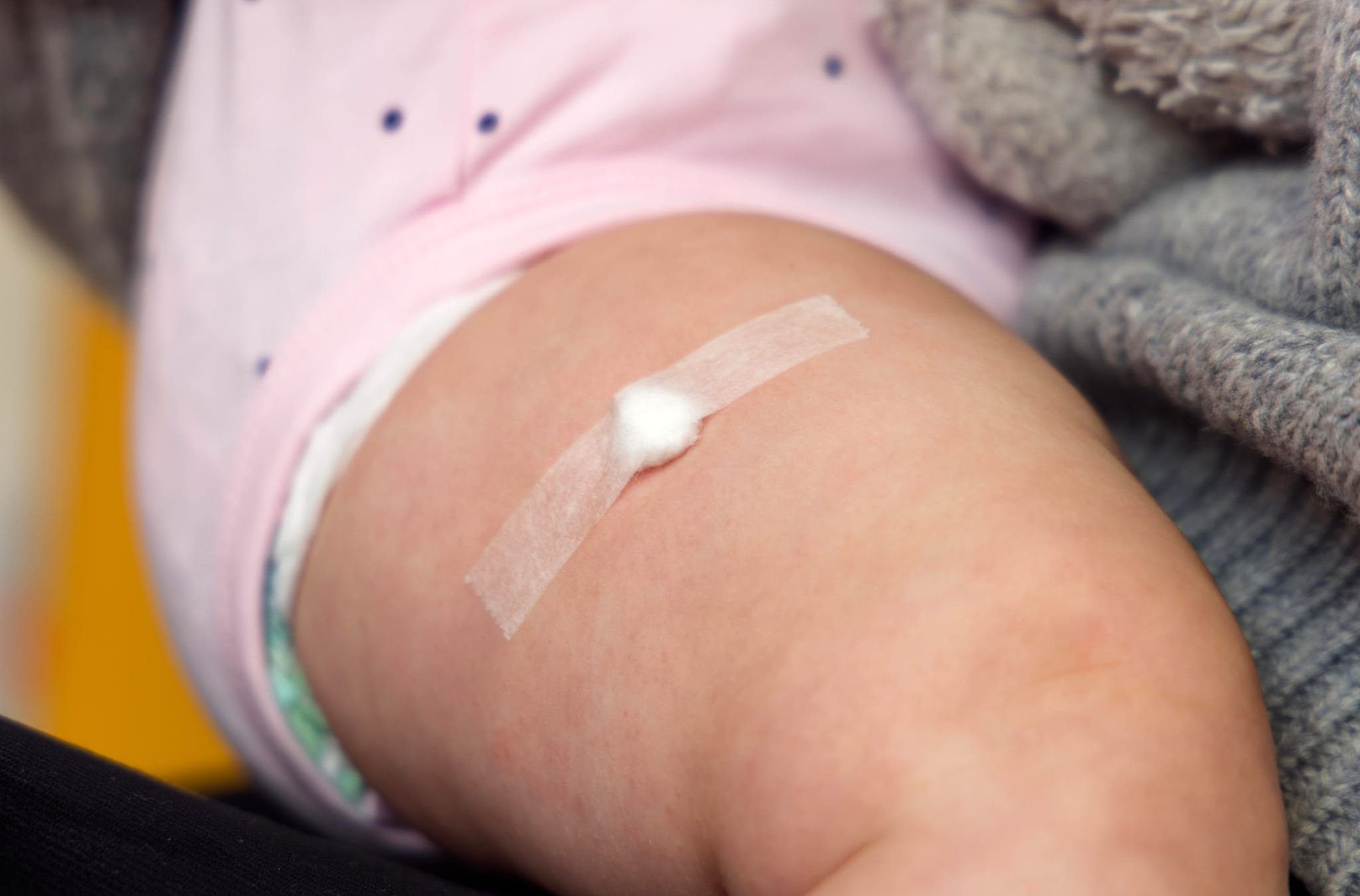
10,000 families participating in research by The Kids Research Institute Australia have demonstrated the effectiveness of a simple text message for increasing the number of children receiving their vaccinations on time.

Nutrition is important during the COVID-19 pandemic because it can provide both physical and mental health benefits.

The Centre is currently involved in an international effort to develop revolutionary closed- loop 'artificial pancreas' technology. It is also leading a multi-centre Australian trial of these portable devices at home in young people with diabetes.

Every decision a child with type 1 diabetes makes can impact on their blood glucose levels.
A lifelong auto-immune condition that can affect anyone, but is most commonly diagnosed in childhood.

The teenage years can be a challenging time for families, a period made even more difficult if a child has type 1 diabetes.