
Search
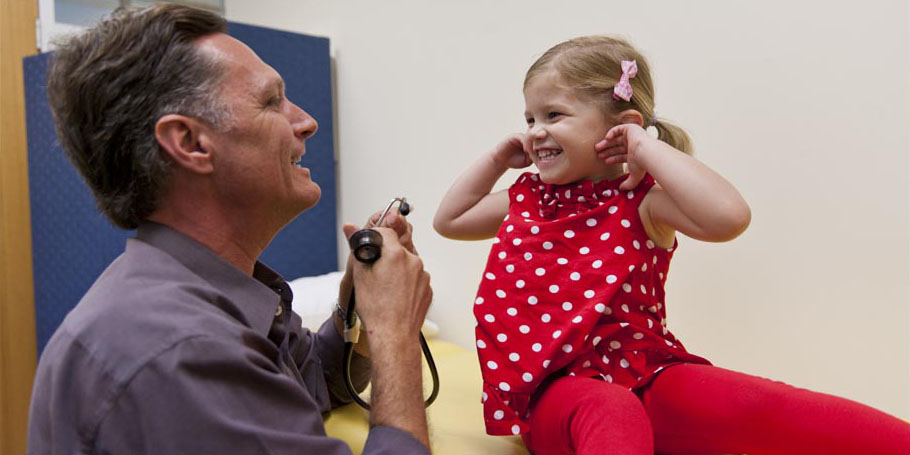
Leading paediatrician, infectious diseases specialist and Executive Director of The Kids Research Institute Australia, Professor Jonathan Carapetis, has been recognised for his significant contribution towards medical research with the award of Member of the Order of Australia (AM).
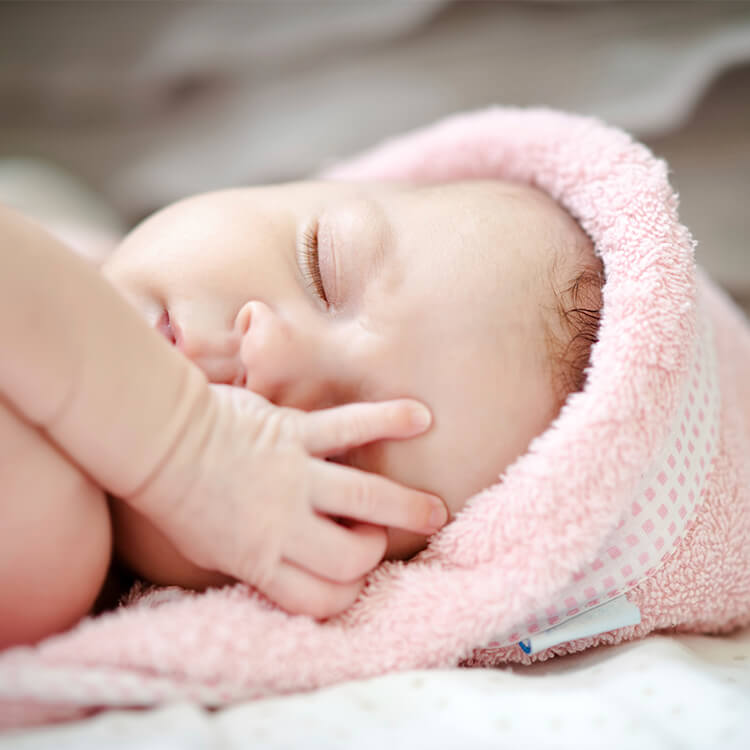
As many as a quarter of Australian babies aren’t getting vaccinated on time, leaving them at risk of developing life-threatening illnesses such as whooping cough when they are most vulnerable.
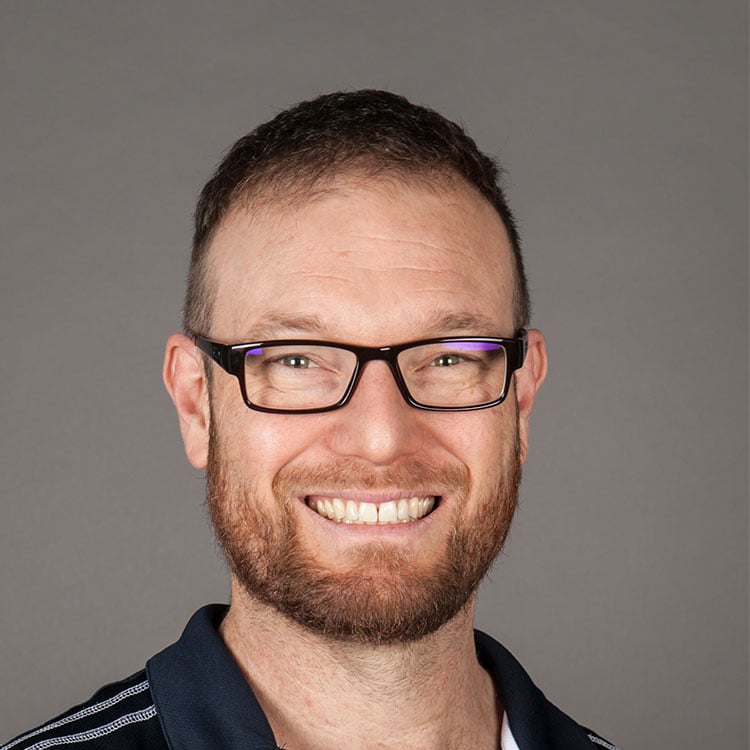
Daniel Christensen, The Kids Research Institute Australia Life Course Centre research fellow, explained there was rapid change in a child’s brain in the first few years of life, making their home environment and relationship with carers incredibly important.
The World Health Organisation resolution for global action to tackle rheumatic heart disease (RHD) will have significant implications for Australia, which has some of the highest rates of the disease in the world.
The Kids is collaborating with government agencies, parents and school representatives to trial an innovative intervention delivered through schools to increase parents’ knowledge and skills to delay and reduce teenage alcohol use.
Two years on, Michelle and Dartanyon’s health and quality of life have significantly improved. We caught up with Michelle to hear about their journey since we first met them.
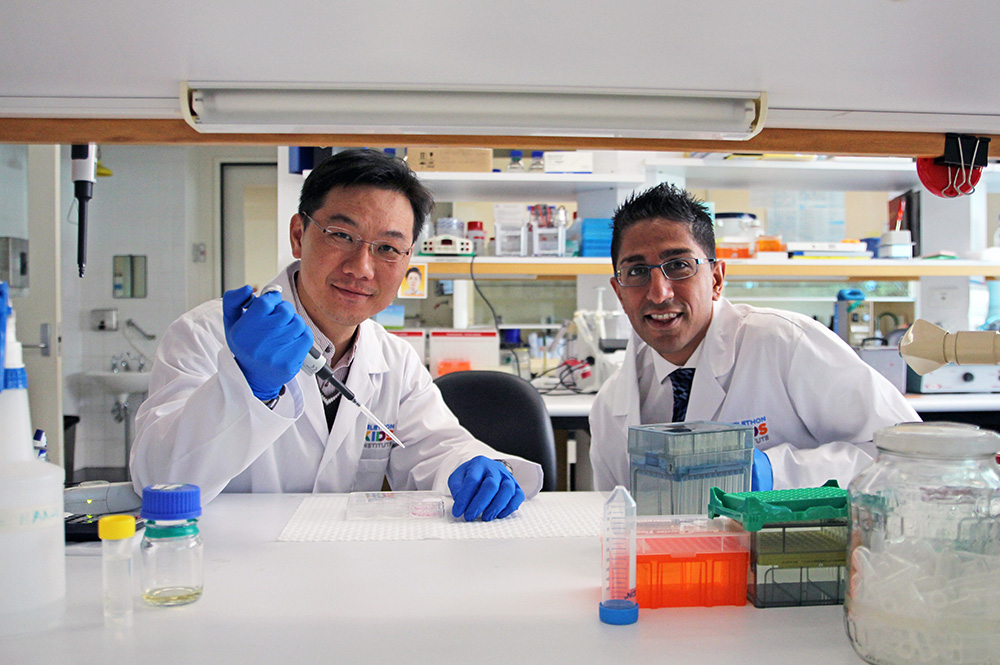
The Kids Research Institute Australia researchers may have unlocked a vital key to reducing the progression of leukaemia in children, potentially prompting a change in thinking around the best way to target treatment.
The Kids Research Institute Australia welcomes the Australian Government’s commitment to invest $65 million to transform the nation’s data system and the way data is used
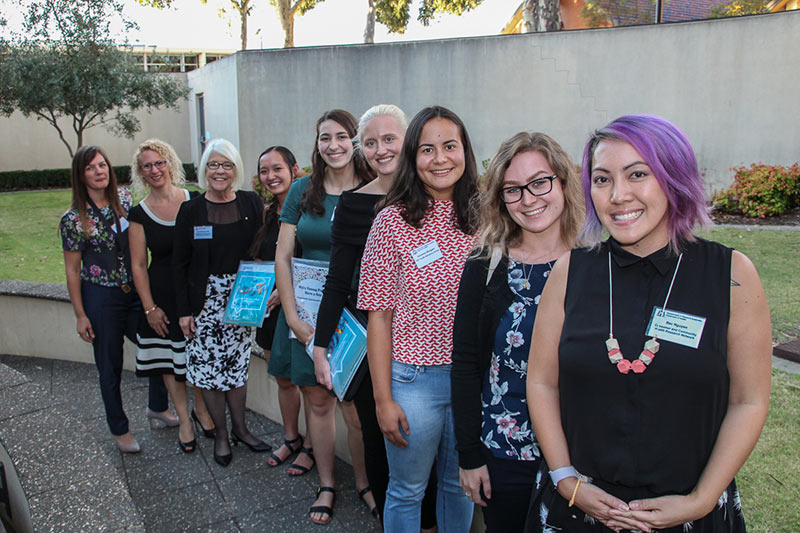
The Kids welcomes the launch of WA’s first policy on youth health which will give young people a voice in the planning of health services that affect them.
With mental health issues an escalating problem among young people, looking after the mental health of future generations has never been more