
Search
Food allergies have become more common in our community, with up to one in ten young children now affected. Reactions can range from mild hives to life threatening anaphylaxis and breathing difficulties. The most common food allergies are to egg, peanut, tree nuts, cow’s milk, fish, shellfish, sesame, wheat and soy.
Protection of newborns from infection can be achieved through maternal or vaccine-induced antibodies, but the factors influencing vaccine protection (correlate of protection) and subsequent infant immunity remain insufficiently understood. Further investigation is essential to optimize early-life vaccination strategies.
In a sunny country such as Australia, it’s important to identify how to achieve the right amount of sun exposure for good health. We need to be able to harness the benefits of vitamin D and sunlight while remaining protected from the proven dangers of too much UV radiation.
The developing hippocampus is particularly sensitive to early environmental influences, including during pregnancy. This longitudinal neuroimaging study examined associations between prenatal maternal physical activity and depression, maternal education, and hippocampal development from early childhood to early adolescence.

Discover more about Telethon Kids Institute research.
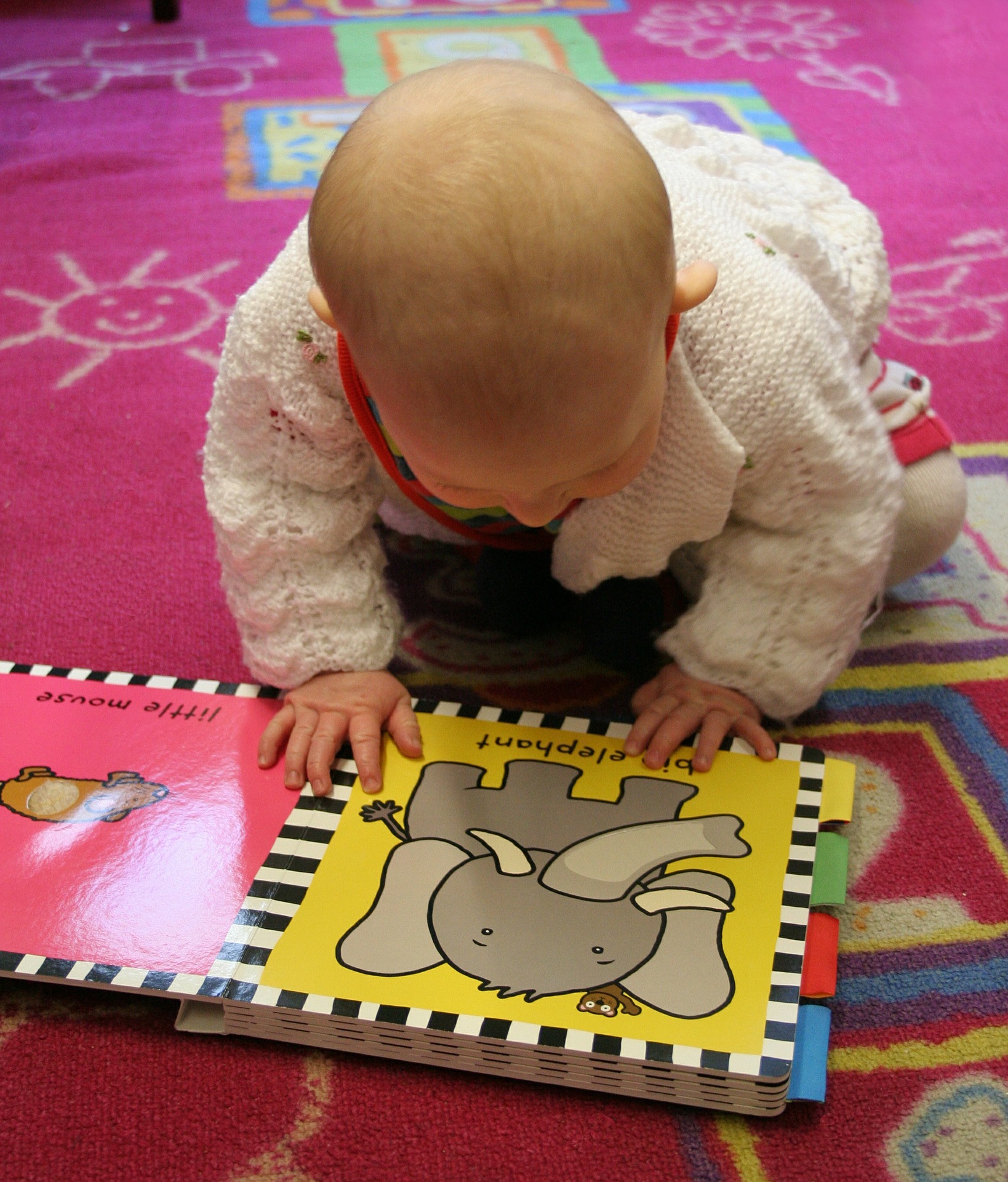
Measles is a highly contagious infectious disease that can cause severe, long-term complications in children.
First Nations women in Australia continue to experience disproportionately adverse maternal and infant outcomes. The ongoing legacy of colonisation and systemic racism shapes these outcomes. In the Australian Capital Territory (ACT), maternity services remain dominated by Western biomedical approaches that fail to deliver culturally safe and anti-racist care despite national standards that mandate such practices.
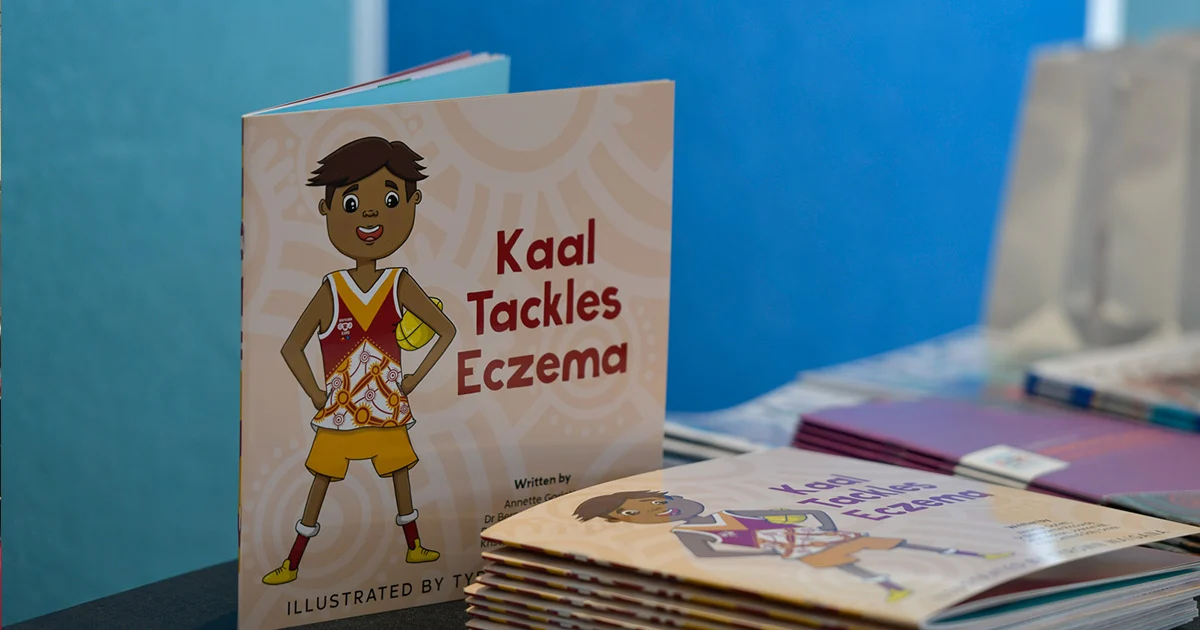
In close partnership with Aboriginal Elders and community members in Western Australia's south-west, we created ‘Kaal Tackles Eczema’, a children’s book to help Aboriginal families manage eczema. Our research showed a high prevalence and need for culturally relevant resources. The book uses Noongar language and art to educate and reduce infections, and is available online and in schools.
The capacity for children to self-regulate is an important developmental task of early childhood, with caregivers playing an integral role in self-regulation development. While caregivers' emotions and behaviors are known to impact child self-regulatory capacity, the impact of child self-regulation difficulties on parents is less understood.
Physical constraints of small apartment kitchens and the influence of the surrounding community food environment may impact food practices of apartment residents. Social media portrayal of these features may influence public perception of apartment living.