
Search
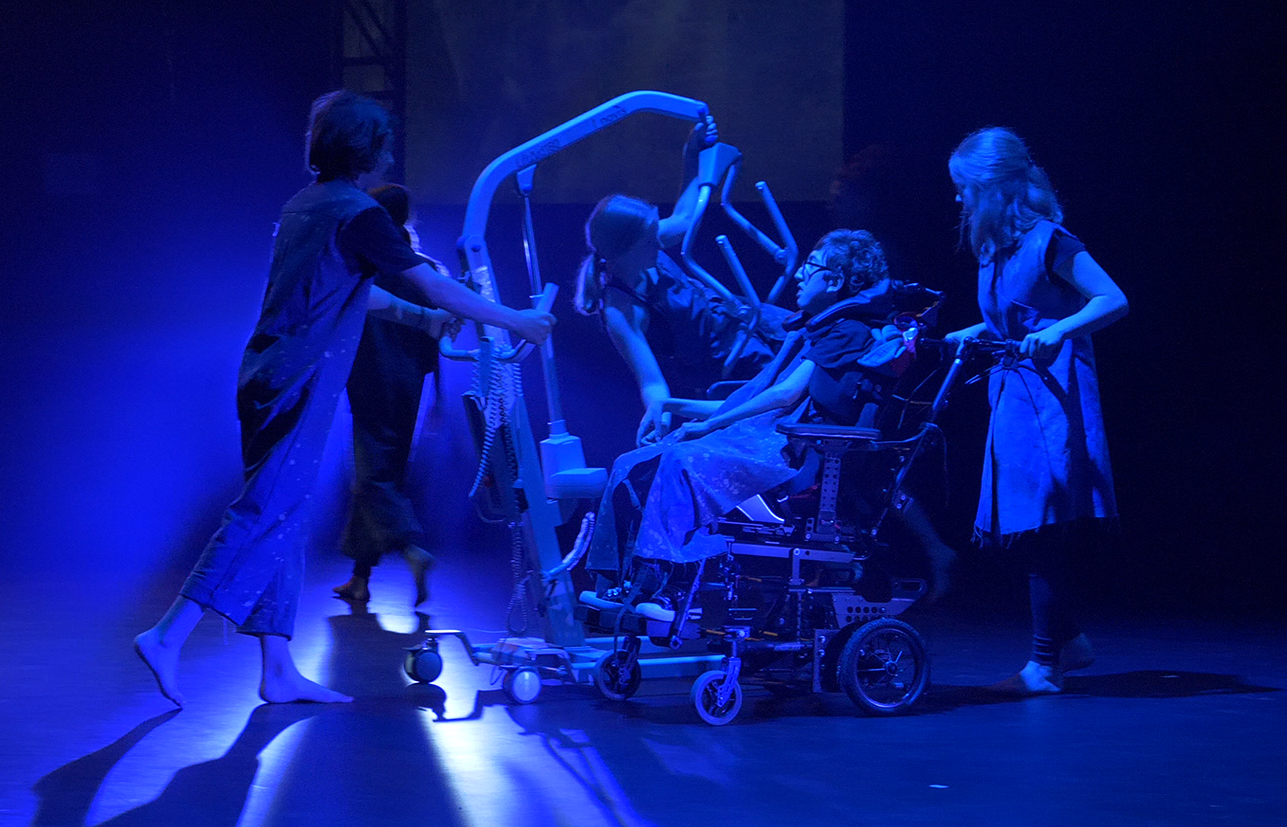
A quality of life tool developed by disability researcher Jenny Downs is helping to reveal the difference specific interventions can make to the lives of children and families living with disability.

Video technology is helping researchers learn more about the earliest features of autism, and in turn is helping families gain access to better interventions.
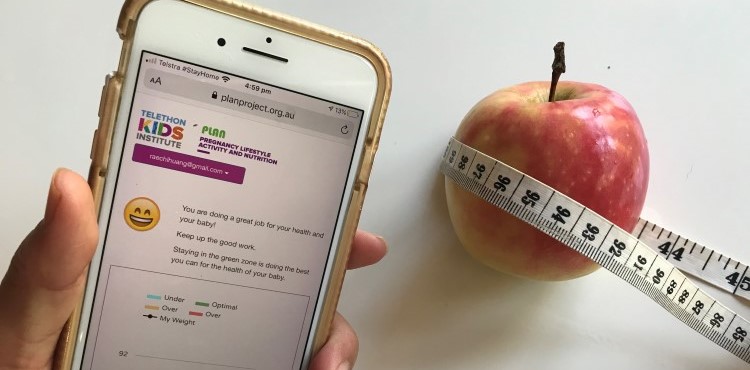
A diet and lifestyle mobile app targeting a critical window in early pregnancy is being introduced to women in the northern suburbs of Perth, hoping to assist with breaking the ‘transmission’ of obesity from one generation to the next.
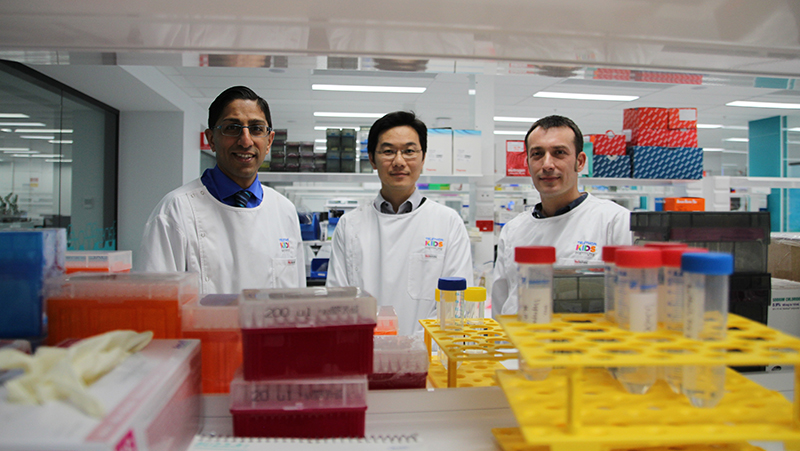
Kids born with Down syndrome are at high risk of an array of health problems – including issues with sight, hearing, heart defects, bone complications, immune disorders and learning difficulties.

Can young people experiencing homelessness be part of the solution in suicide prevention? That is the question youth mental health researchers at Embrace at The Kids Research Institute Australia will investigate.
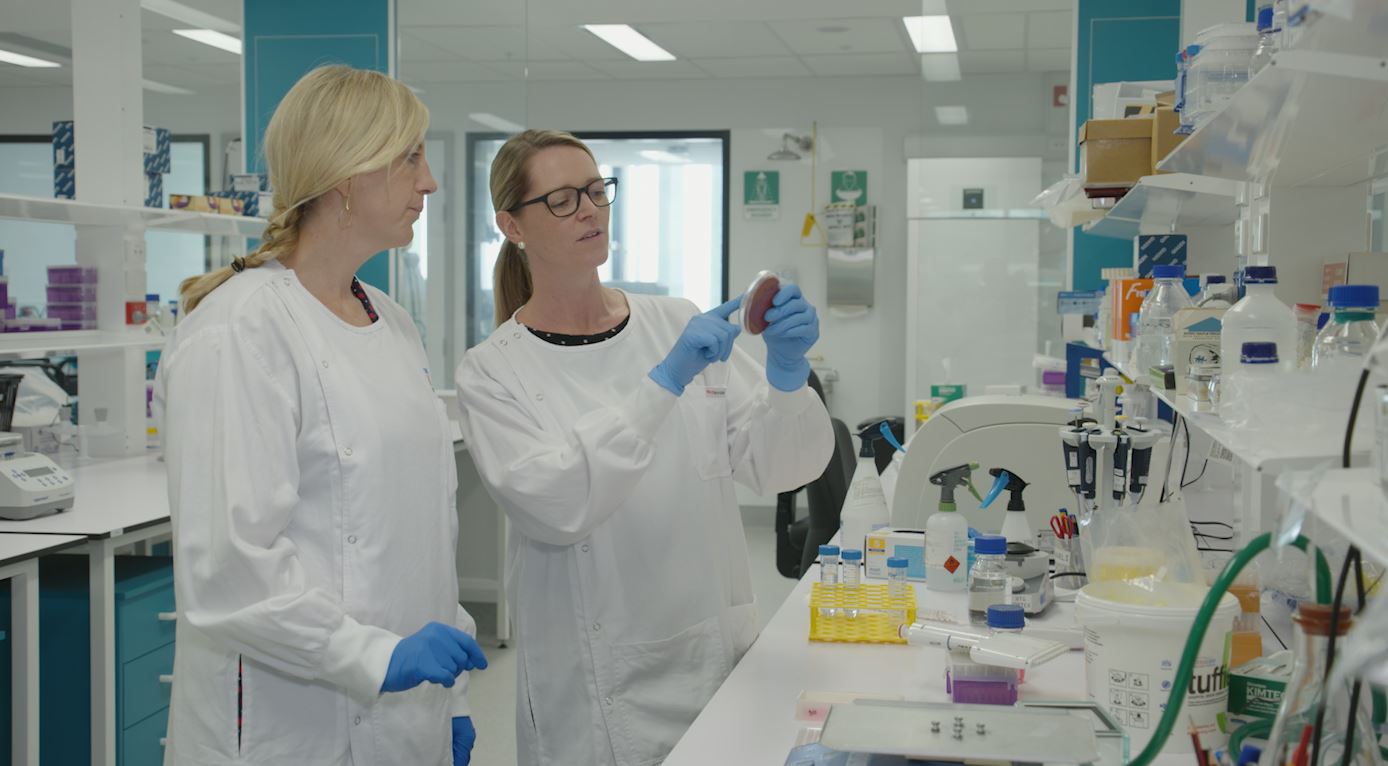
Wiping out childhood ear infections could become a reality thanks to new research identifying the main bacteria responsible for recurrent ear infections and repeat ear surgeries.
According to the Young Minds Matter study, mental health disorders such as anxiety and depression are experienced by approximately one in seven or 560,000 young people in Australia. These disorders can often have a significant impact on children’s learning and development and on family life.
In Australia, the number of young people presenting to the emergency department with mental health concerns, in particular, suicidal behaviour (defined here as suicidal ideation, thoughts, intent and attempts) is increasing.
Britta Regli-von Ungern-Sternberg AM FAHMS MD, PhD, DEAA, FANZA Chair of Paediatric anaesthesia, University of Western Australia; Consultant
We aimed to investigate the molecular basis underlying a novel phenotype including hypopituitarism associated with primary ovarian insufficiency.