
Search

These infant simulators are given to high school students to take care of as part of a teen pregnancy prevention program known as Virtual Infant Parenting.
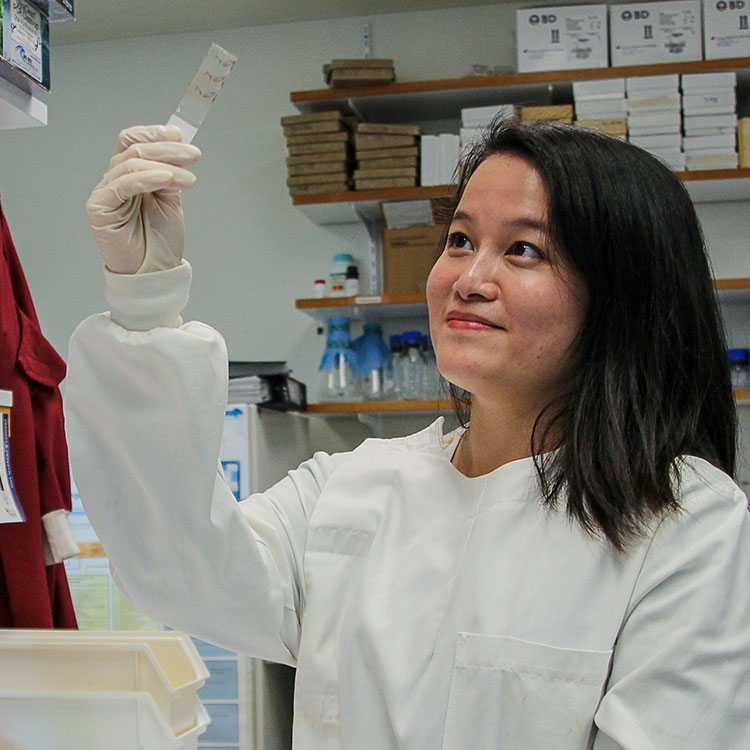
The Kids Research Institute Australia researchers have been awarded five of eight State Government awards designed to help cover the hidden costs of conducting research.
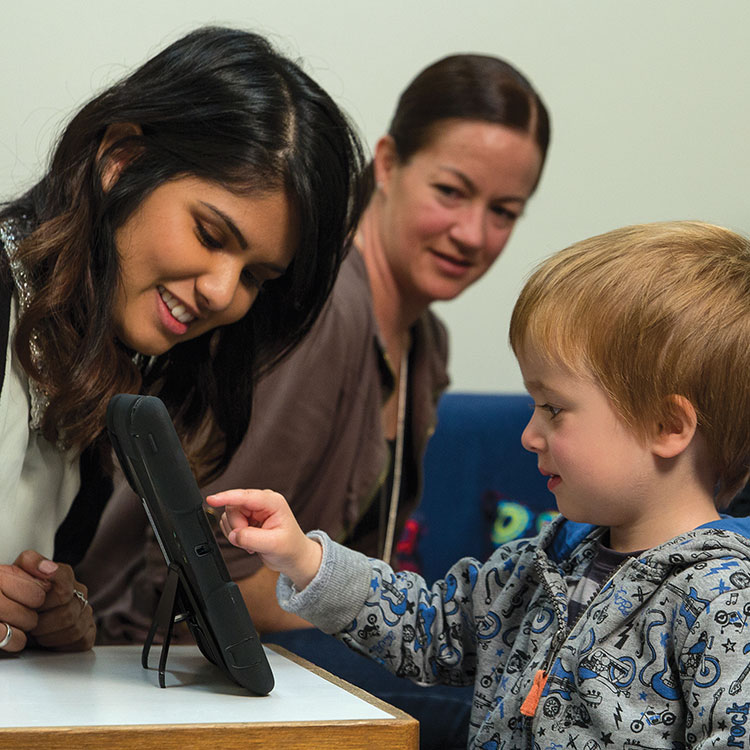
A The Kids Research Institute Australia study has shown that in addition to intervention with trained therapists, children with autism may benefit from app-based therapies.
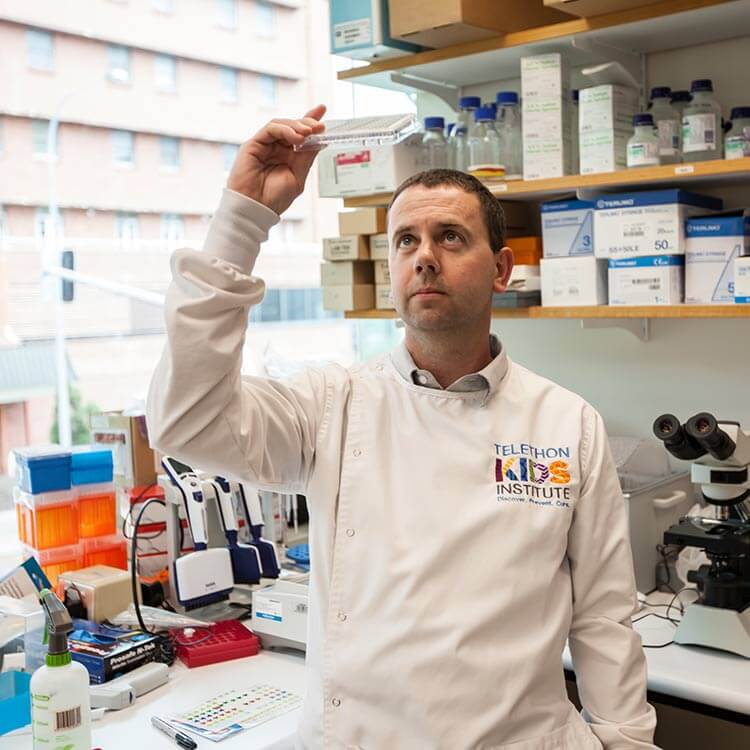
A The Kids Research Institute Australia researcher will investigate new ways to harness the body’s own immune system to fight melanoma, thanks to Cancer Council WA funding.
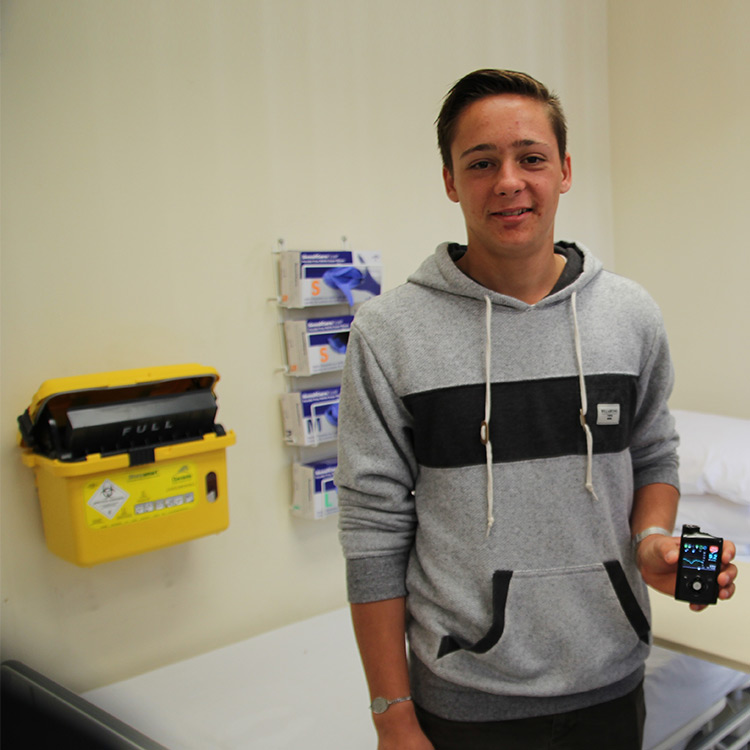
The Children’s Diabetes Centre at The Kids Research Institute Australia is leading the longest and largest at-home trial of a hybrid closed-loop insulin pump system.
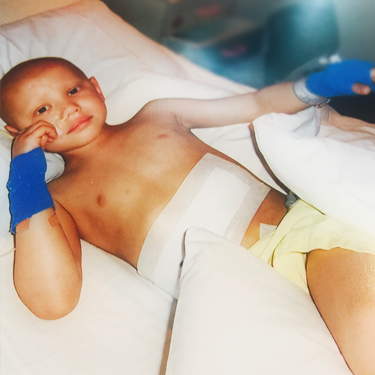
Rennae's son Samuel was diagnosed with stage 4 neuroblastoma 13 years ago, and was originally given a 20% chance of survival. She bravely shares their story.
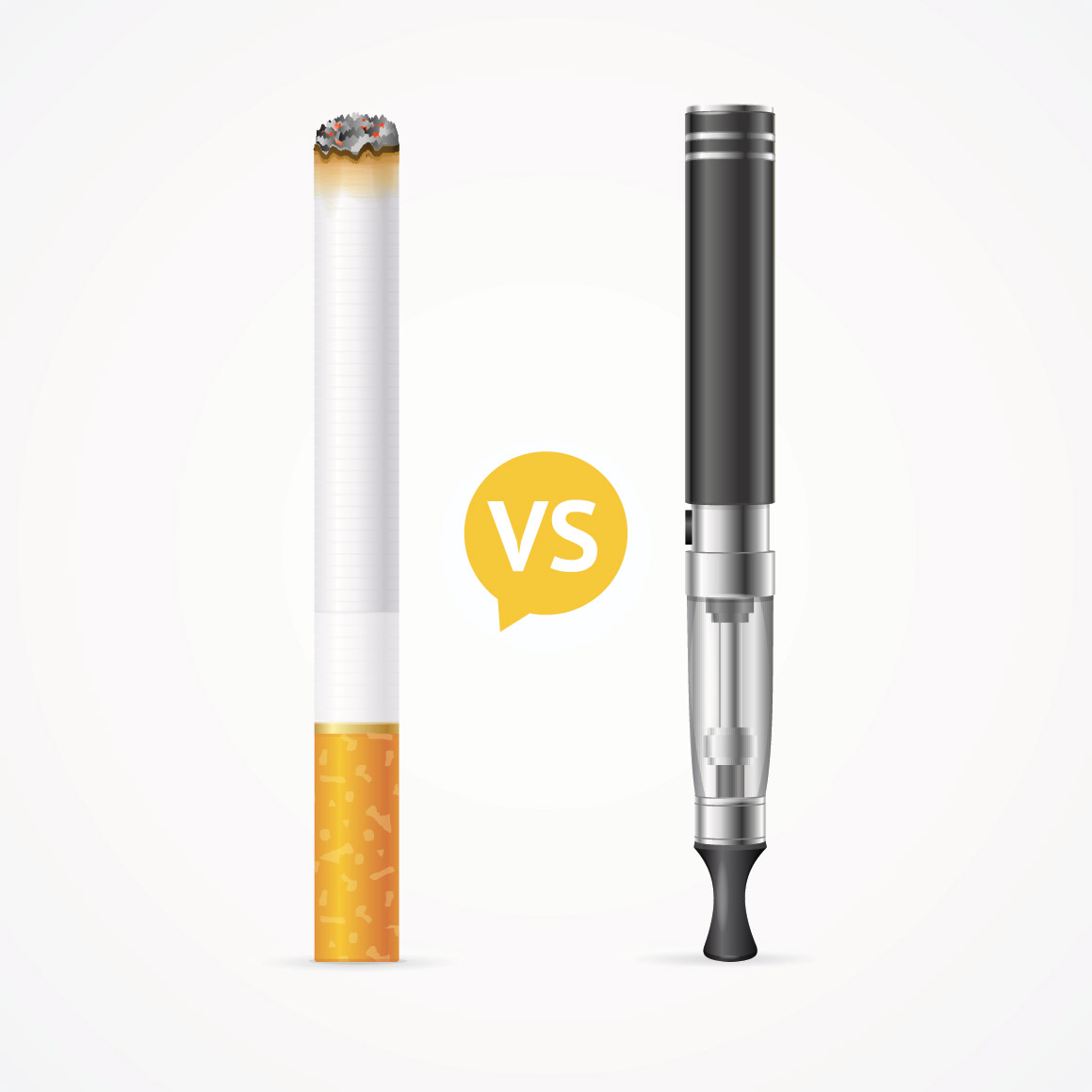
A study led by researchers at The Kids Research Institute Australia has shown that electronic cigarettes can cause lung damage.
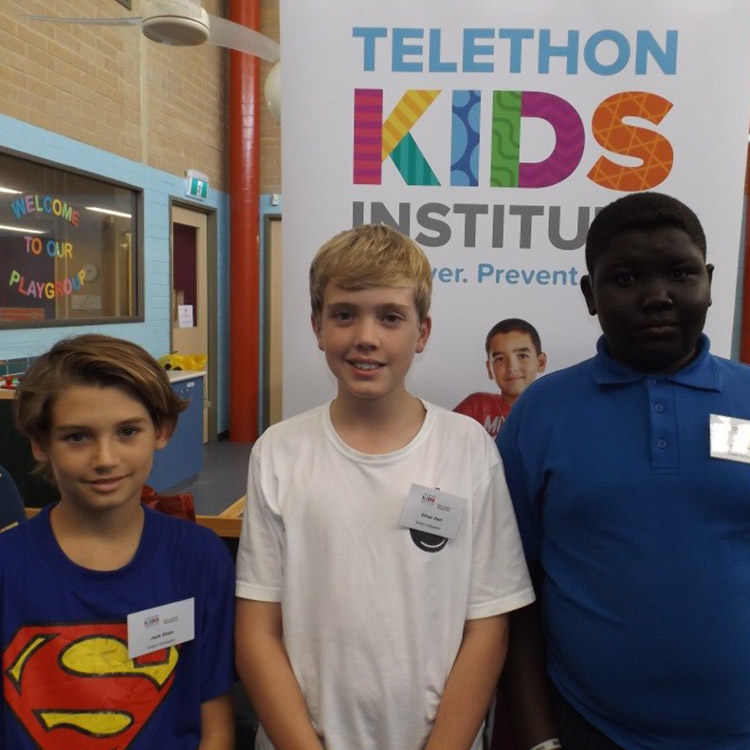
Ethan recently took part in Belong, a study led by The Kids which aims to ensure deaf and hard of hearing kids have a happy & positive school experience
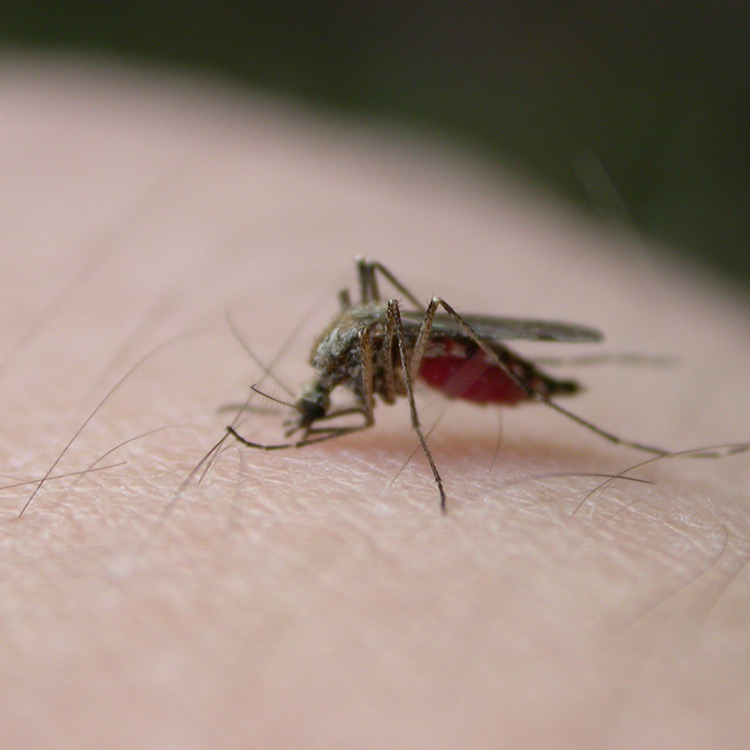
WA Researchers have conducted an Australian-first study to determine the prevalence of microcephaly, in preparation of any future outbreak of the Zika virus.
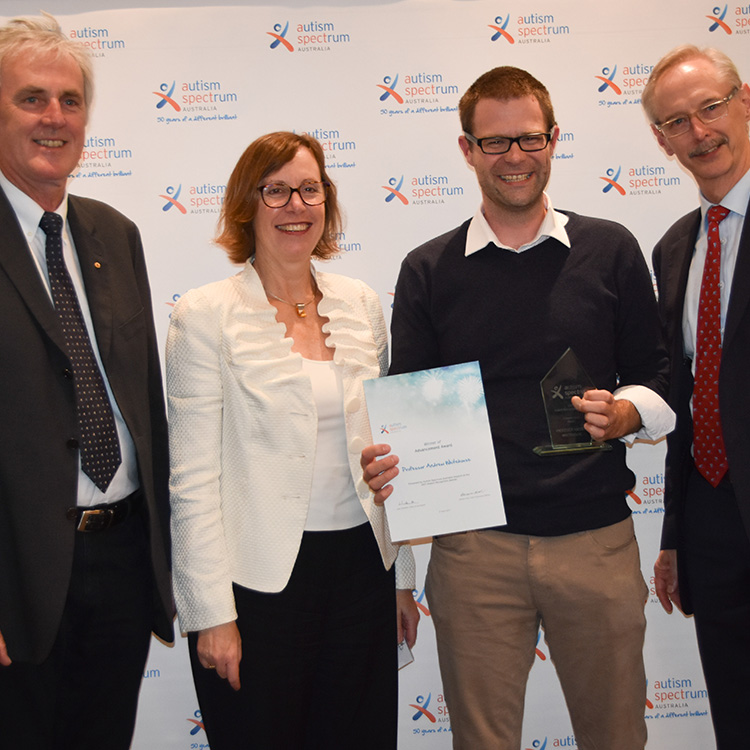
Professor Andrew Whitehouse has been awarded an Autism Spectrum Australia Recognition Award for his work communicating scientific findings to families.