
Search
The Wesfarmers Centre is pleased to announce the successful applications for the 2017 Round 2 Wesfarmers Centre Seed Funding. The Wesfarmers Centre
Congratulations goes to Dr Asha Bowen and Dr Ruth Thornton for being the successful first round recipients of the WCVID.
The Wesfarmers Centre is pleased to announce the successful applications for the 2016 Round 2 Wesfarmers Centre Seed Funding.
Eight applicants were successful, and were awarded $15,000 each for activities supporting subsequent research grant applications.
In 2014, the Wesfarmers Centre of Vaccines & Infectious Diseases put out a first call for seed funding proposals.
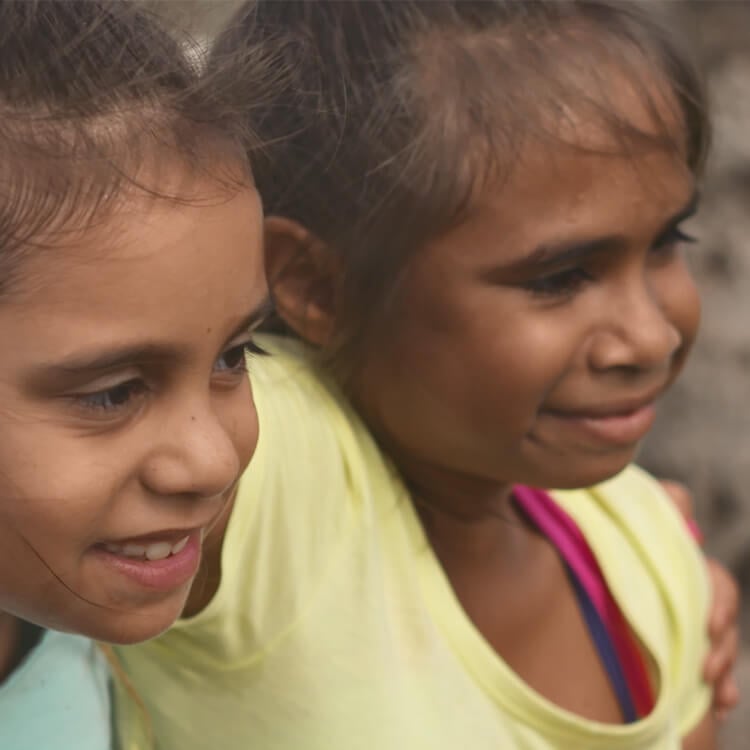
National Healthy Skin Guideline: for the Prevention, Treatment and Public Health Control of Impetigo, Scabies, Crusted Scabies and Tinea for Indigenous Populations and Communities in Australia

Preventing over half of the world’s ear infections with a therapy such as Spritz-OM will significantly improve health and educational outcomes on a global scale.
Access to medical treatment for fever is essential to prevent morbidity and mortality in individuals and to prevent transmission of communicable febrile illness in communities. Quantification of the rates at which treatment is accessed is critical for health system planning and a prerequisite for disease burden estimates.
Asha Rosemary Jeffrey Bowen Wyber Cannon BA MBBS DCH FRACP PhD GAICD FAHMS OAM MBChB MPH FRACGP PhD BSc(Hons) BBus PhD Head, Healthy Skin and ARF
There is now good evidence that behavioural signs of autism spectrum conditions (autism) emerge over the first two years of life. Identifying clear developmental differences early in life may facilitate earlier identification and intervention that can promote longer-term quality of life. Here we present a systematic review of studies investigating behavioural markers of later autism diagnosis or symptomology taken at 0-6 months.