
Search
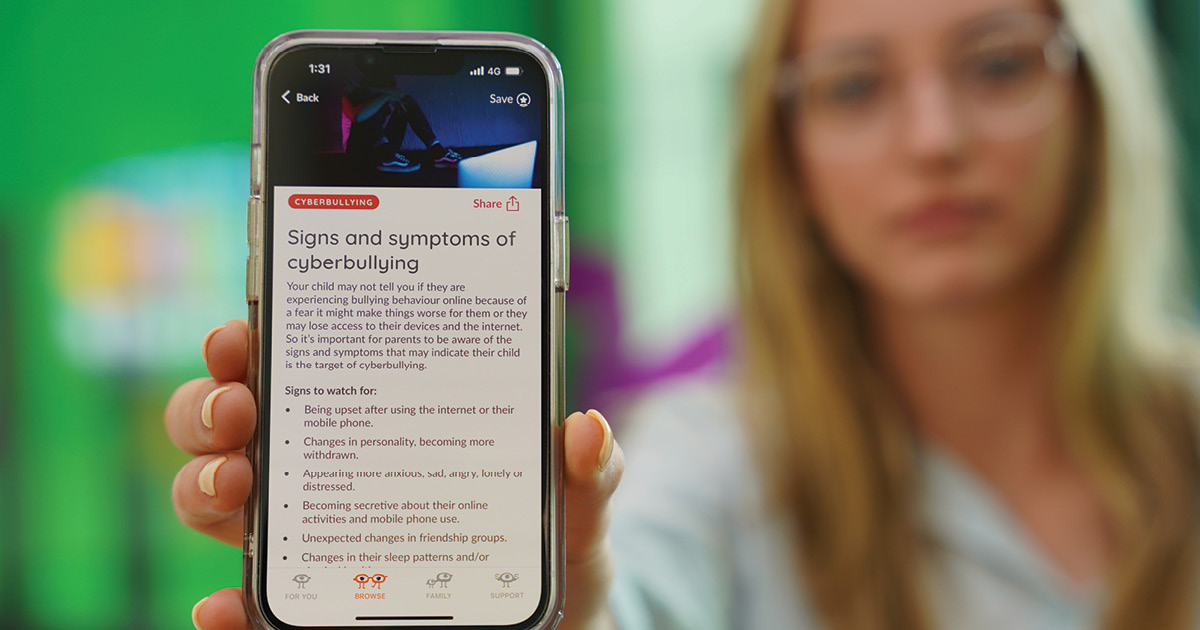
In a world where TikTok dances and Minecraft adventures take centre stage, kids are spending more time online than ever before.
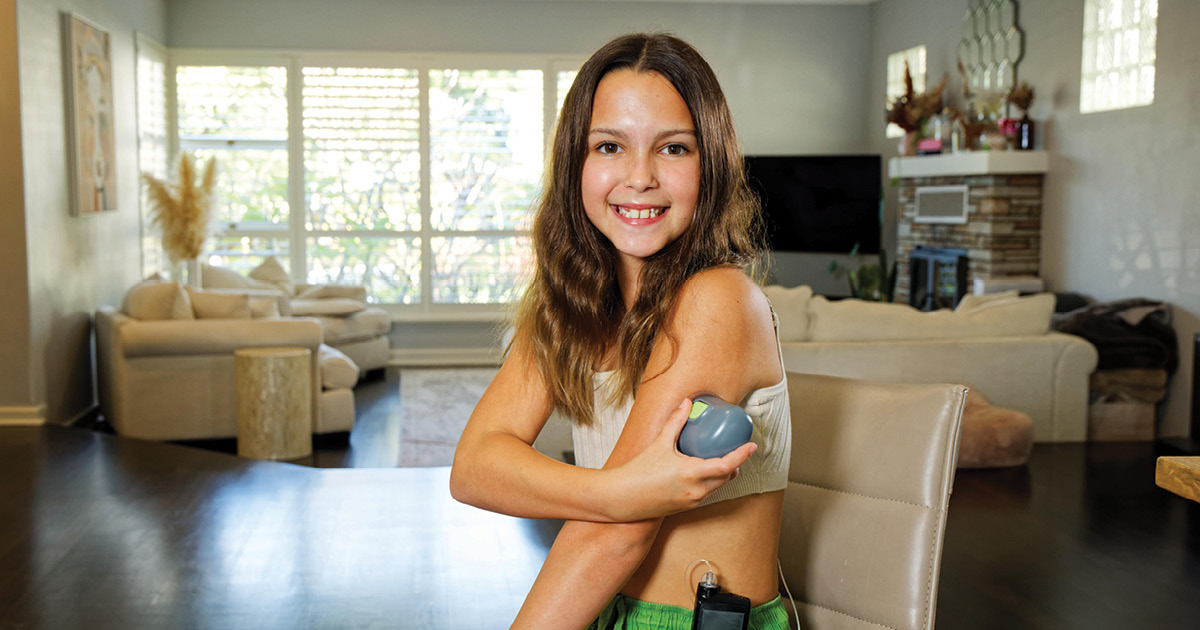
Imagine living with a condition that requires you to make approximately 180 health- related decisions every day for the rest of your life.
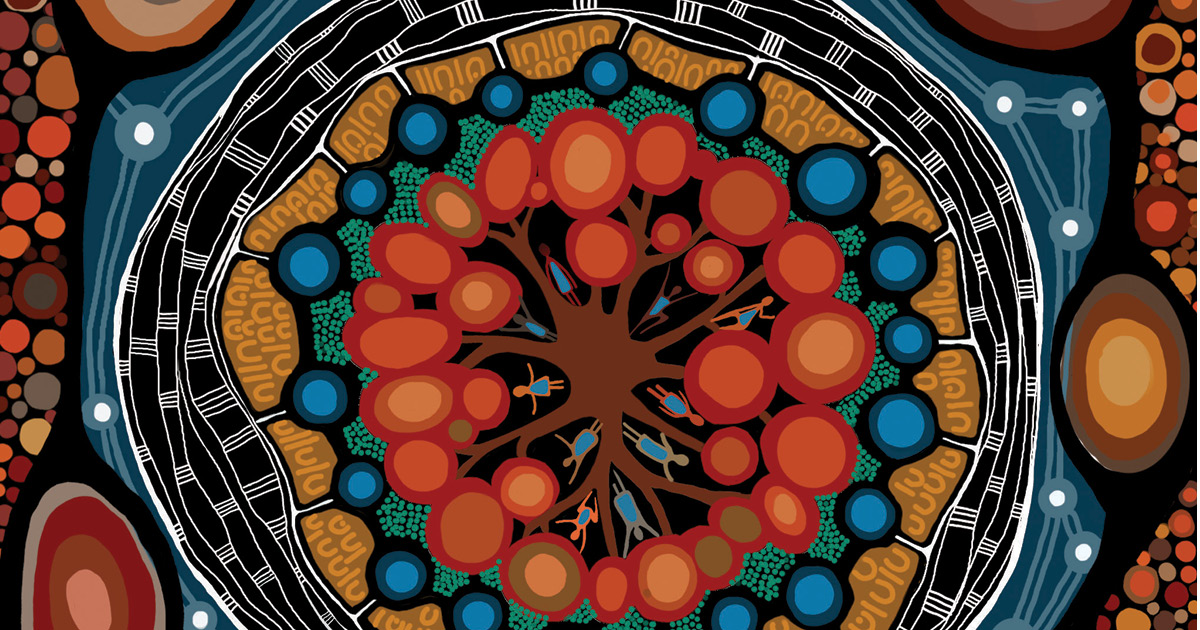
Life imitates art in a new project that seeks to entrench cultural safety for young Aboriginal and Torres Strait Islander people into WA’s mental health system.
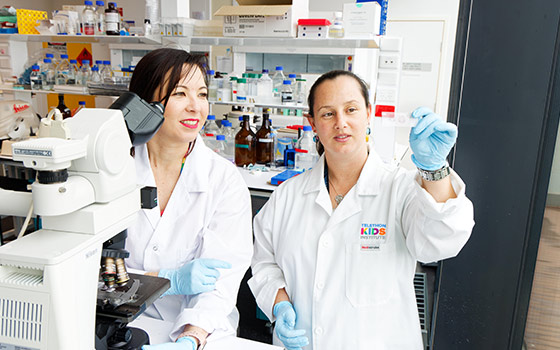
Most laboratory equipment at The Kids Research Institute Australia is owned and maintained by the Institute, in order to make this available for use by all staff and students.
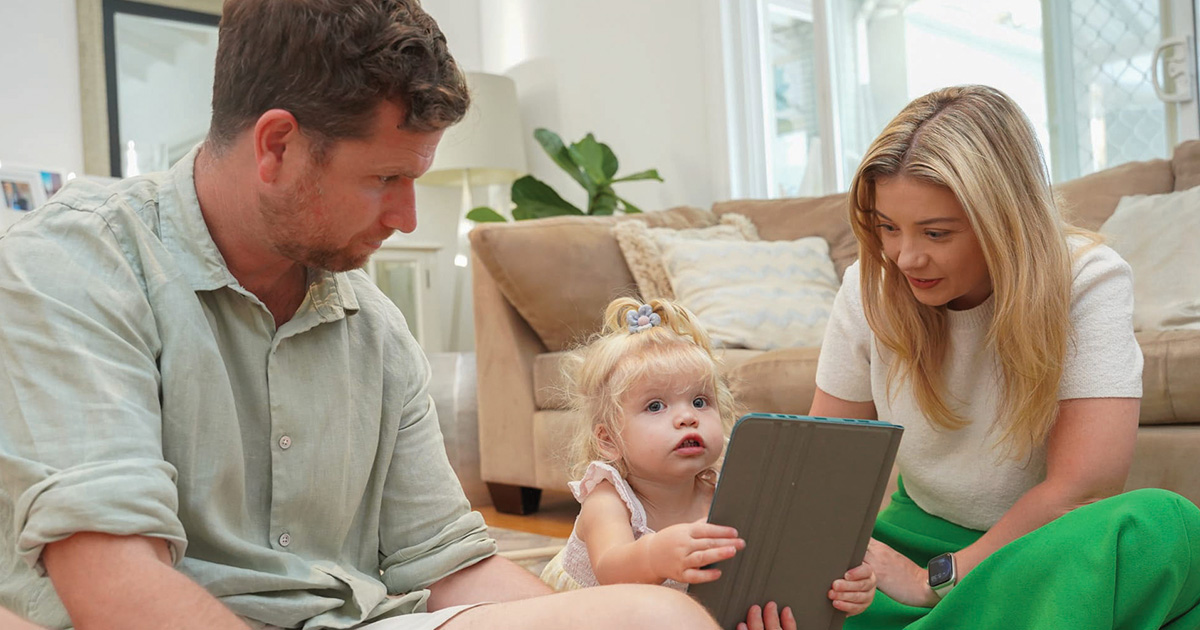
Toddlers exposed to screen time at home are hearing fewer words and making fewer vocalisations, findings from the first longitudinal study to measure the relationship between family screen use and children’s language development have shown.
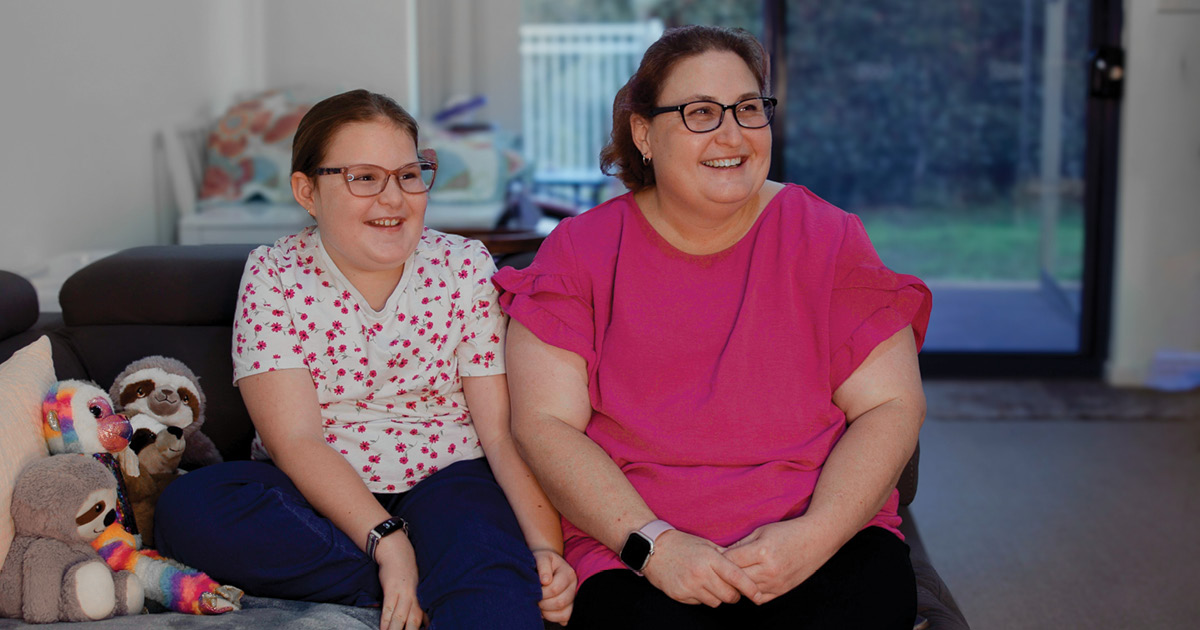
Helping children build resilience and cope with the trauma associated with medical emergencies and chronic health conditions is the focus of a promising pilot program being undertaken by The Kids Research Institute Australia.
A Network comprised of four regional sites to facilitate key medical, research and training activities undertaken in partnership with Aboriginal communities.
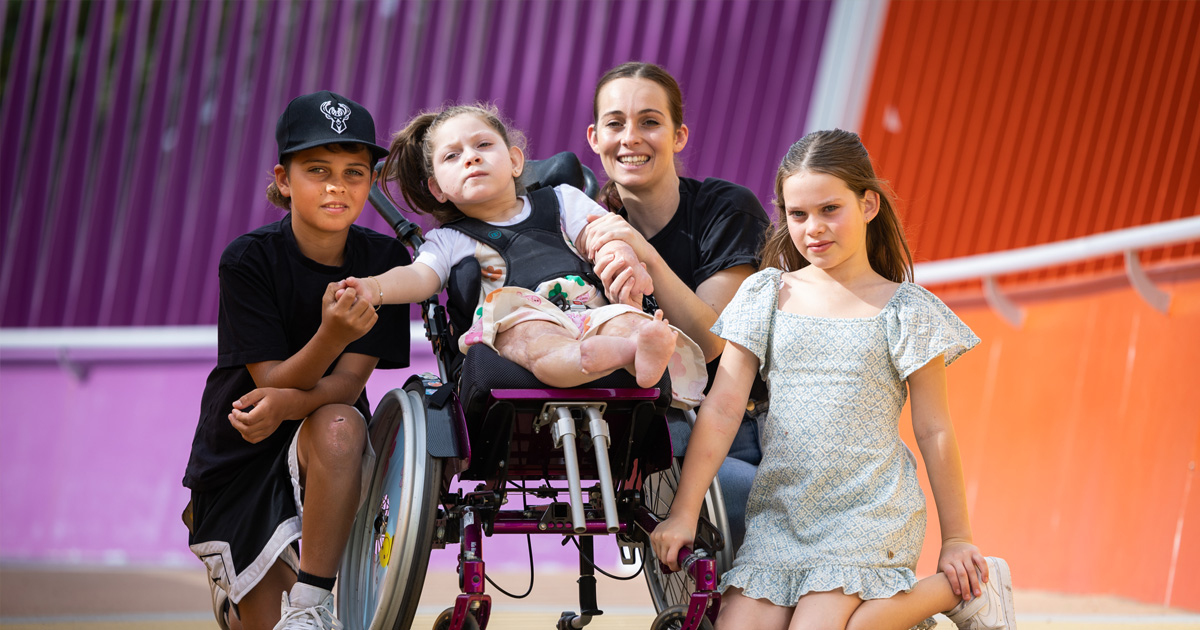
At just six months old, Tahlea Dalgety was flown from Geraldton to Perth with a slim chance of survival after contracting meningococcal disease.
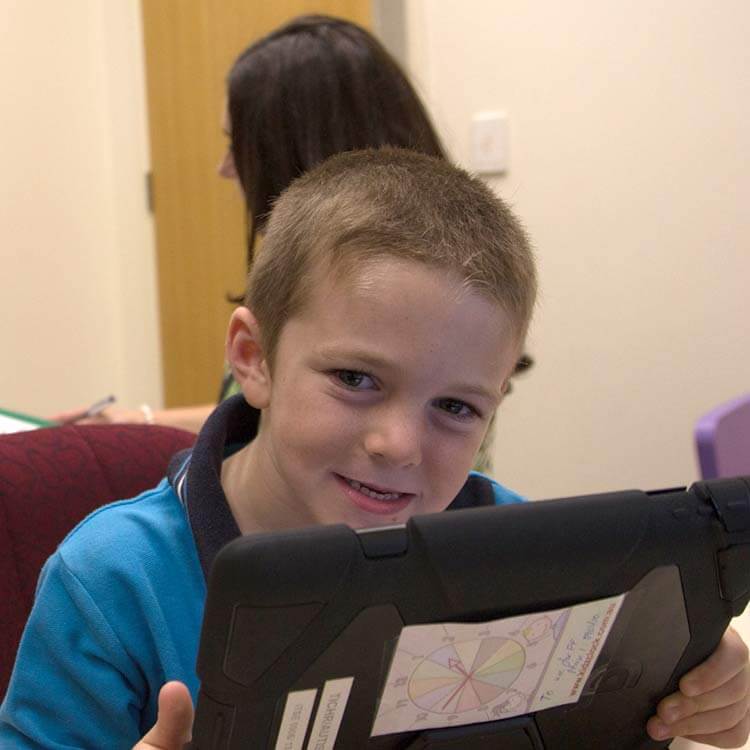
The MINERvA Network will allow more accurate and precise determination of the contributions of familial and environmental factors to the etiology of autism.

Professor Jonathan Carapetis has made eliminating rheumatic heart disease his life’s work.