
Search
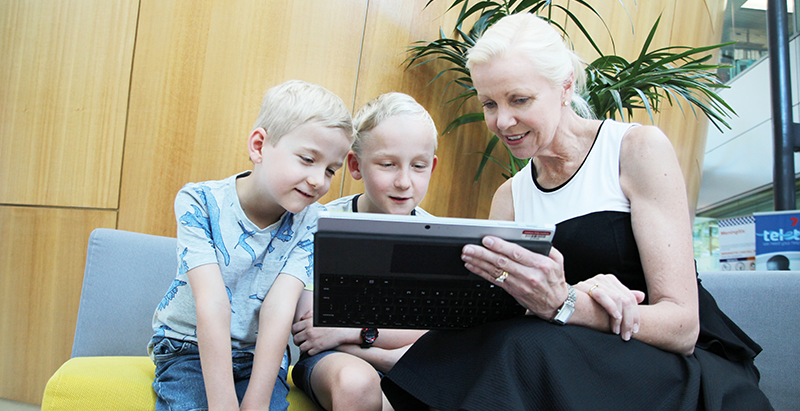
Schools from around the globe have turned to The Kids Research Institute Australia, seeking access to invaluable lessons learned from Australian students on how to effectively reduce harm from cyberbullying.
People at risk of developing multiple sclerosis (MS) have been offered a beacon of hope thanks to research into UV exposure.
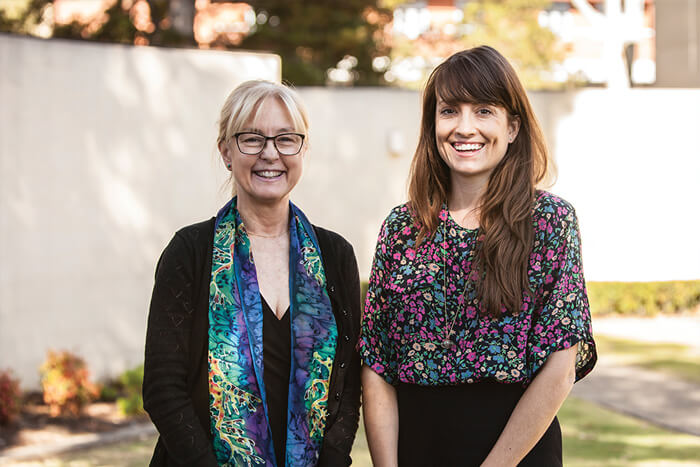
If there’s one thing modern researchers and health professionals now understand, it’s that for so many diseases and conditions affecting children and adolescents, early intervention is crucial.
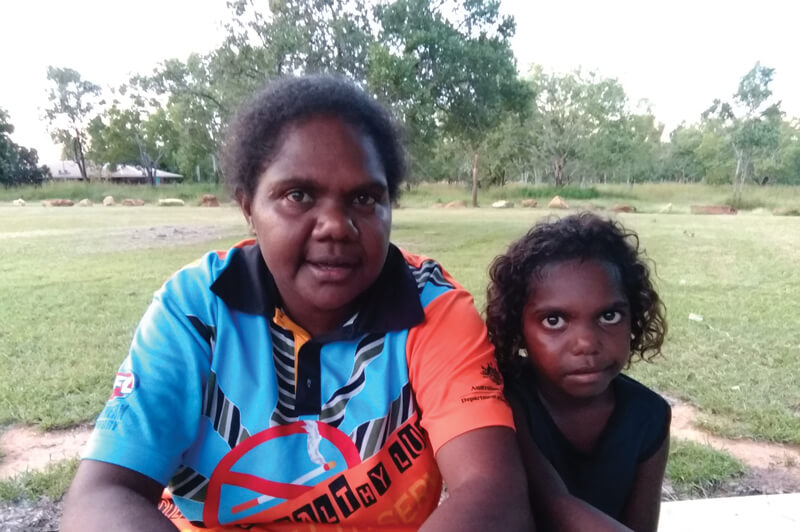
Collaboration is the driving force behind ‘END RHD Demonstration Communities’ – a new community-driven, research-backed approach to tackling rheumatic heart disease (RHD) in remote Australia.

"This system definitely helped with my diabetes management, especially overnight, and helped to keep my blood sugars as stable as possible which was fantastic,"

In 2017, a steep rise in cases of meningococcal disease caused by the W strain sparked a wave of concern for parents in Western Australia.

A joint initiative between The Kids Research Institute Australia, The University of Western Australia, the University of Kansas and Nebraska University, it is the world’s only study to conduct such a detailed assessment of language and literacy development from infancy through the formative adolescent years.
In the longest reported follow-up of infants who received aP vaccine at birth, we found a trend to lower PT IgG antibodies post booster compared with receipt...
Although obesity is a major risk factor for nonalcoholic fatty liver (NAFL), not all individuals with obesity develop the condition, suggesting that other...
This review examines the accuracy and biological interpretation of the measurement of androgens and estrogens in cord blood. The use of cord blood hormones...