
Search
Clinical trial designs are typically narrowly focused on error control in hypothesis testing, but this approach is inadequate in many contexts, particularly when a decision maker intends to, or must, consider multiple relevant clinical and health economic outcomes under uncertainty. Value-of-information (VoI) metrics can be used to estimate the monetary value of data collection to the decision maker.
BK polyomavirus (BKPyV) is a common opportunistic infection in kidney transplant recipients, typically reactivating in the context of immunosuppression. Although asymptomatic in immunocompetent individuals, reactivation in transplant recipients can cause BKPyV-associated nephropathy (BKPyVAN), a leading cause of graft dysfunction and loss. BKPyV viremia affects approximately 10%-15% of transplant recipients, and once BKPyVAN is established, the risk of graft failure can exceed 50%.
The current study aimed to examine the influence of distinct patterns of prenatal alcohol exposure and postnatal threat and deprivation during infancy on sleep outcomes at three-years. Data were derived from a longitudinal cohort originating from predominately low-income hospital settings in Australia.
On this Research Impact page, we showcase real game-changers - research that changes the very way other scientists around the world think and approach challenges. The far-reaching impact on children and families for all the stories shown on these pages is both exciting and significant.
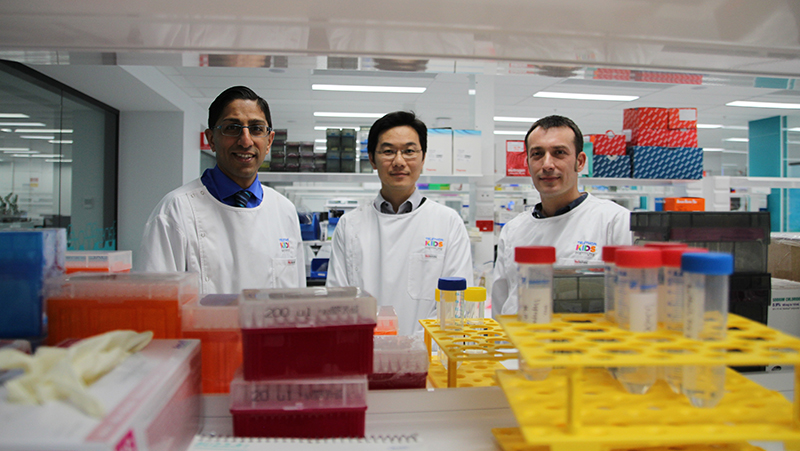
Kids born with Down syndrome are at high risk of an array of health problems – including issues with sight, hearing, heart defects, bone complications, immune disorders and learning difficulties.

Can young people experiencing homelessness be part of the solution in suicide prevention? That is the question youth mental health researchers at Embrace at The Kids Research Institute Australia will investigate.
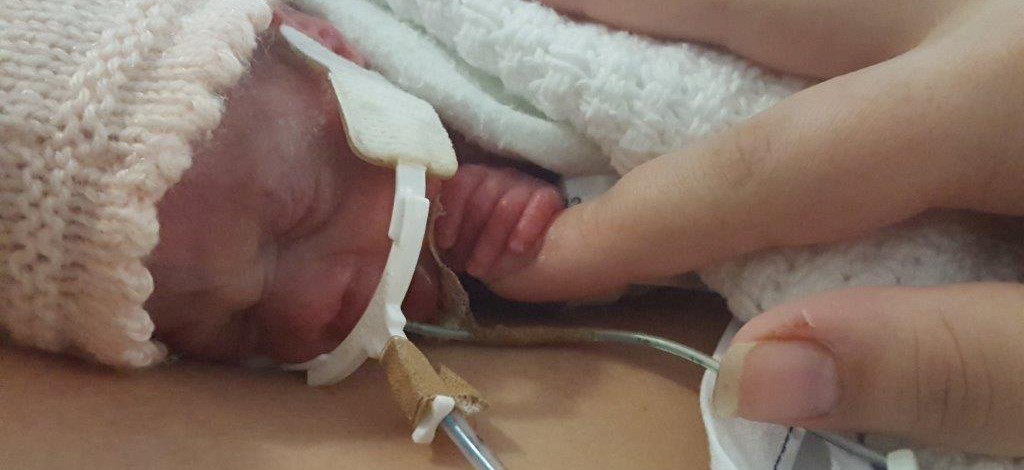
When KEMH specialists first suggested using coconut oil to treat the fragile skin of Kimberly Rohrlach’s extremely premature first-born child, Isabella, she thought it was more than a little weird.
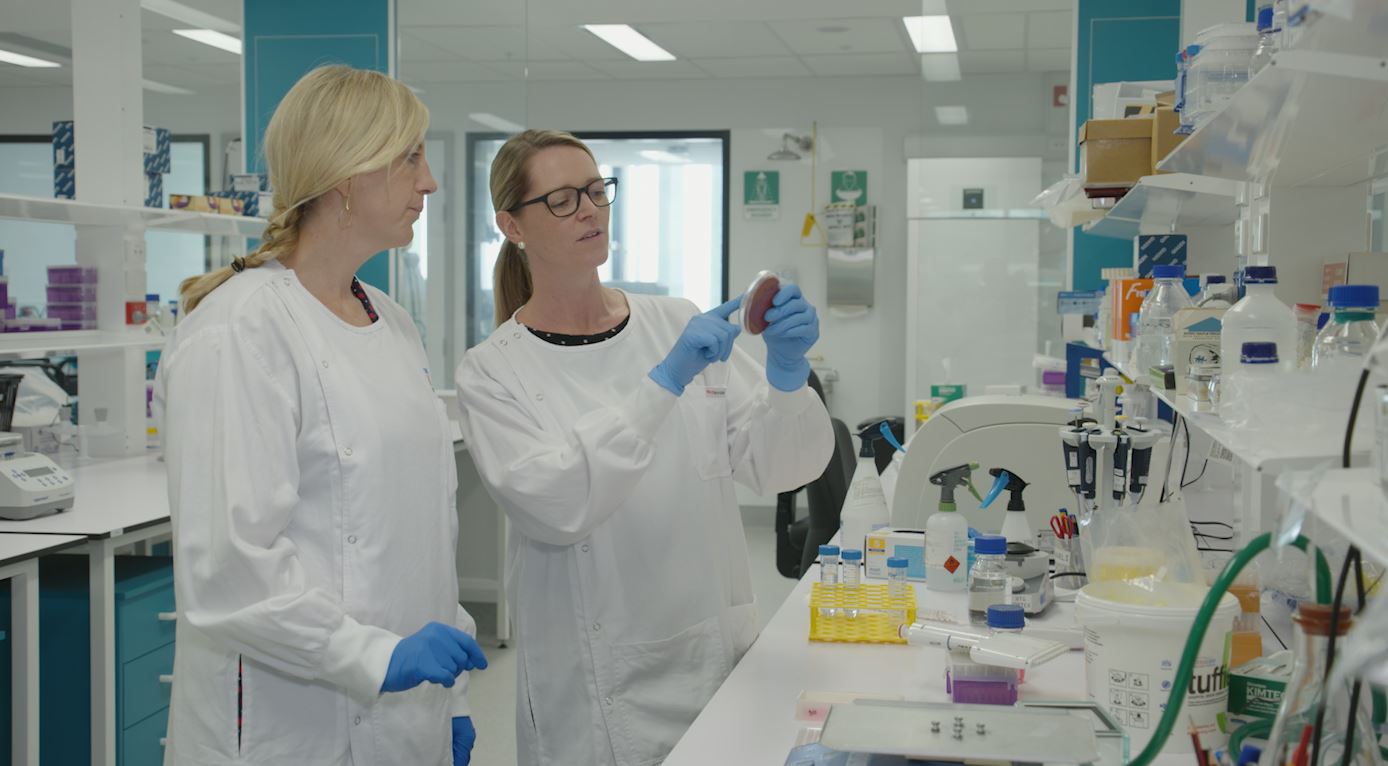
Wiping out childhood ear infections could become a reality thanks to new research identifying the main bacteria responsible for recurrent ear infections and repeat ear surgeries.
A non-progressive motor disability due to damage of the developing brain, this is the most common physical disability in childhood. Affecting about one in 500 babies, it is frequently accompanied by other neurological impairments, such as intellectual or sensory.
The aim of RESP-ACT is to reduce these children’s respiratory hospital admissions and visits to Emergency Department, and to help them and their families to have as the best possible quality of life.