
Search
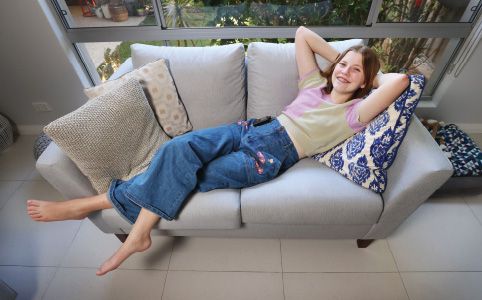
Lucia Wright is a happy, confident 16-year-old who loves her family, friends, drama, science and making the most of her newfound independence.
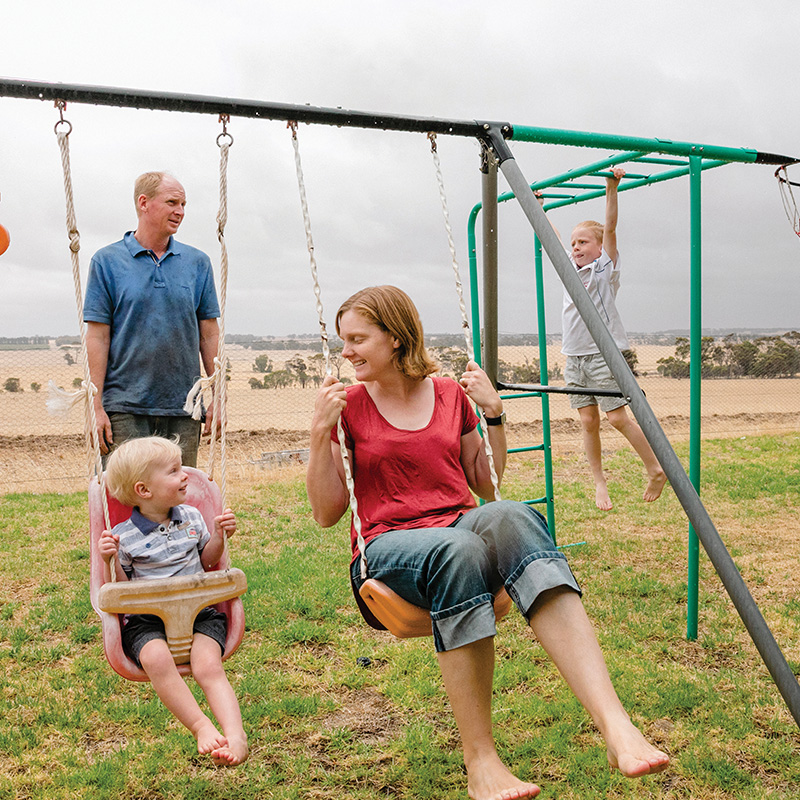
Communities in the Central Great Southern region have known for years that dental health is a major issue for the smallest residents of their towns.
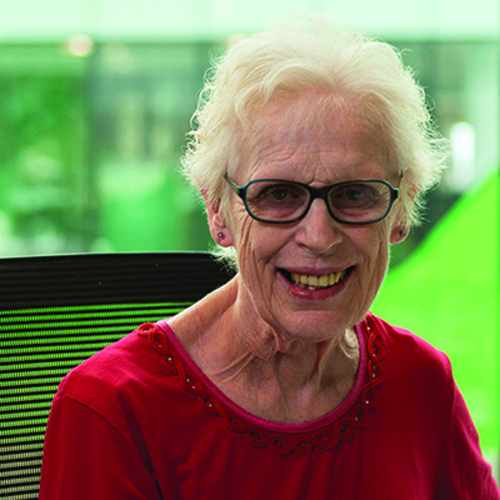
The Kids Research Institute Australia disability researcher, Associate Professor Helen Leonard, played an important role in the identification of the differences that define CDD, thanks to her extensive experience researching Rett syndrome and running an Australian online database tracking Rett cases.
Head lice is an ectoparasitic skin infection commonly seen in primary school-aged children. In remote Australia, where rates of other skin infections and downstream sequelae are endemic, the rate of head lice infestation is unknown.
Parents of young children with type 1 diabetes (T1D) are at risk of experiencing elevated stress due to their responsibilities as caregivers. Despite this, there are limited interventions designed to enhance resilience in this population of parents. This pilot randomised controlled trial aimed to examine the acceptability, appropriateness, and feasibility of the Promoting Resilience in Stress Management for Parents (PRISM-P) intervention in parents of young children with T1D.
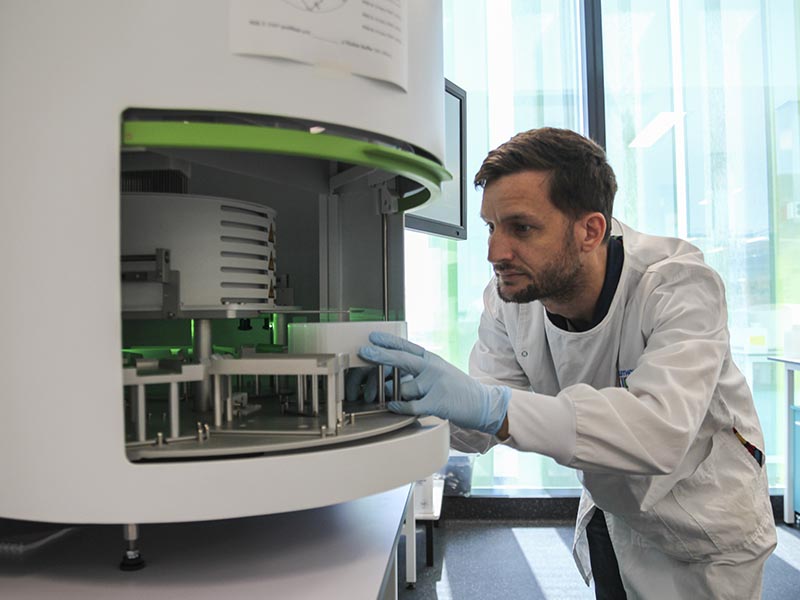
BioSpecs is a flexible service that supports laboratory research by providing expert technical assistance in pre-analytical sample processing and nucleic acid extractions.
The following maps provide a visual insight into how the number and rate of Indigenous suicides varies across different regions of Australia.
The NATSISPEP will formally evaluate a range of existing Indigenous suicide prevention programs and services to develop an evidence base for 'what works'.
The Institute's Standards for the Conduct of Aboriginal Health Research outline our ways of working with Aboriginal communities and peoples.
The Third Conversation