
Search
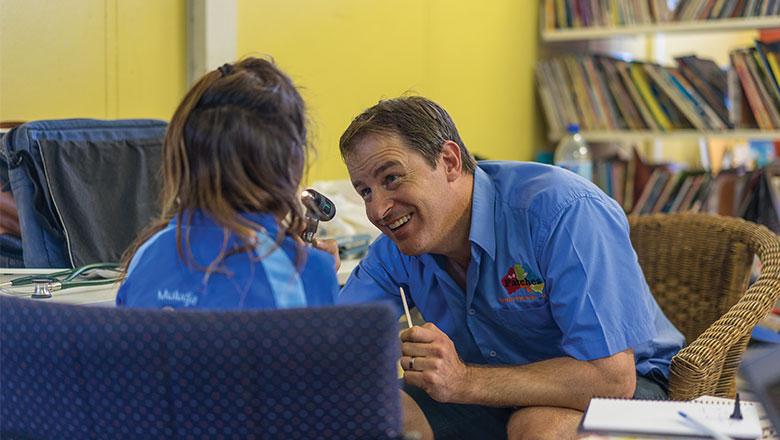
The Make FASD History campaign, led by community researchers and The Kids Research Institute Australia, has made huge inroads into prevention, diagnosis and therapy.
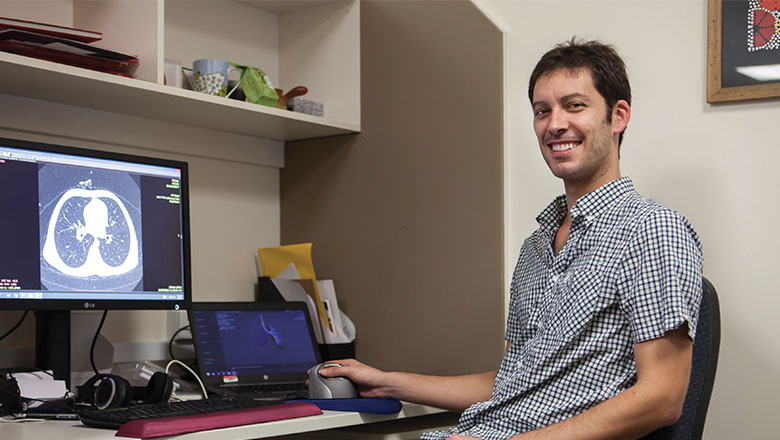
PRAGMA-CF, a new way of measuring early lung disease in young kids with cystic fibrosis is changing the way we detect and treat CF.
The Young Minds Matter survey has shown mental health services should be overhauled to ensure they are tailor-made to meet the needs of a new generation.
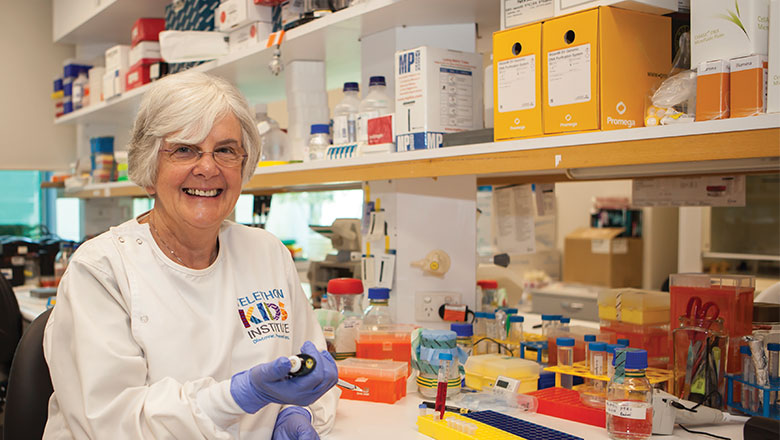
Winning the support of a remote Aboriginal community paved the way for a pioneering genetics study.
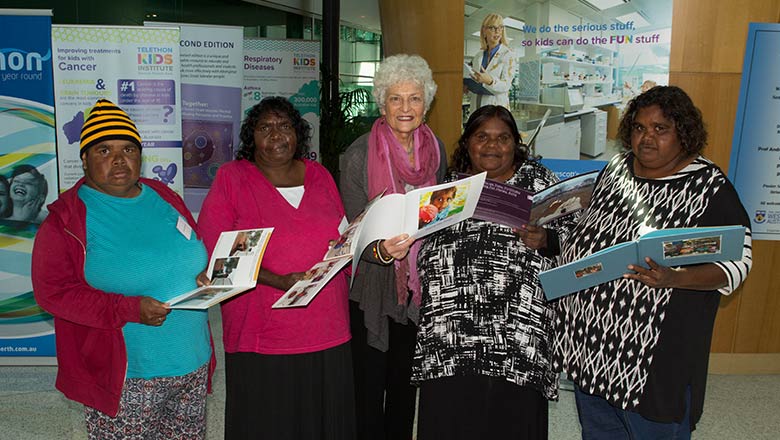
An NHMRC grant to develop a program to improve school outcomes in the Ngaanyatjarra lands has helped create books reflecting Aboriginal experiences.
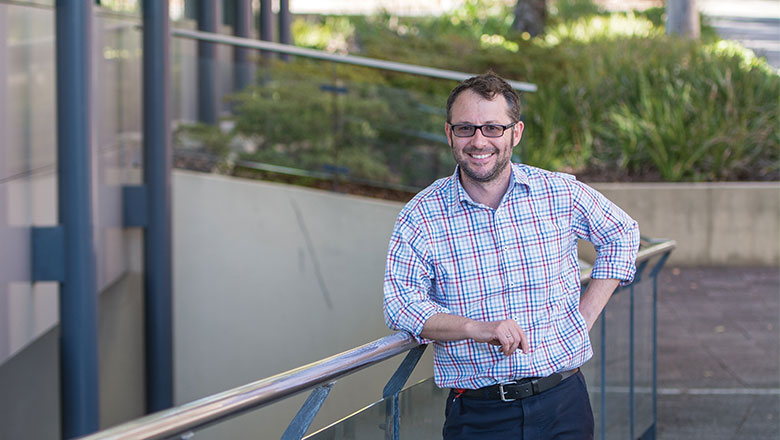
An extra whooping cough vaccination for babies comes as a result of work by researchers at the Wesfarmers Centre of Vaccines and Infectious Diseases.
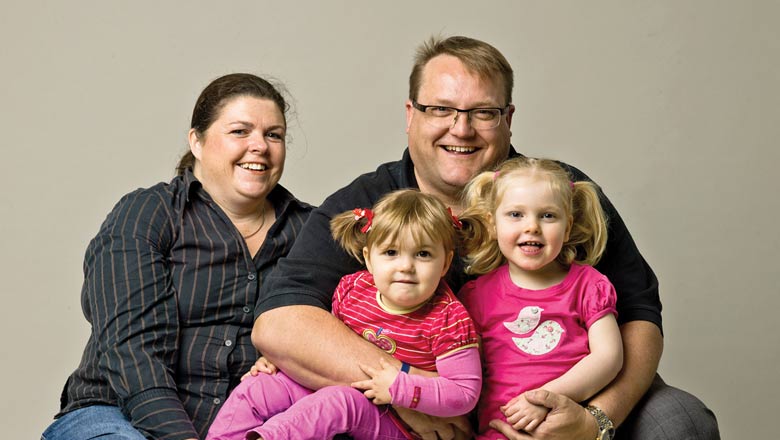
The Kids Research Institute Australia researchers set out on a worldwide search to find out all they could about Rett syndrome, establishing databases and creating awareness.

We have launched a national survey to investigate how we can better support young people who don't identify as the gender they were assigned at birth.
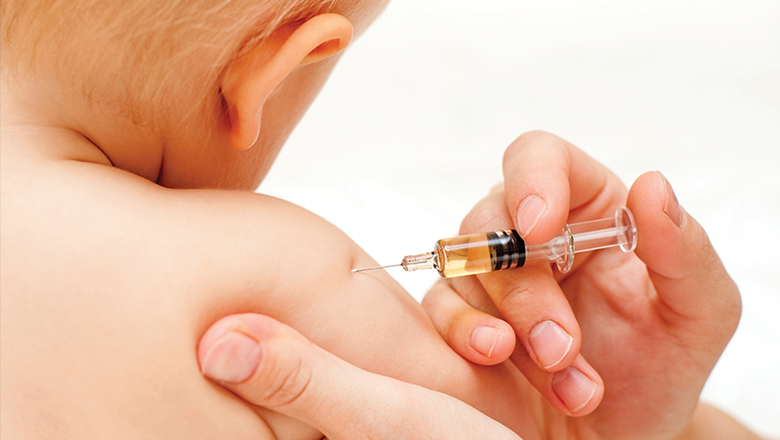
Immunisation plays an important role in preventing disease within our community. Join us at a FREE public seminar on vaccinations.
Immunisation plays an important role in preventing disease within our community. Watch Dr Chris Blyth answer some commonly asked questions about vaccines.